Severe Snow and Ice Sweep Across Europe, Claiming Six Lives and Disrupting Travel
London/Paris/Berlin — A brutal wave of severe weather, characterized by heavy snow, treacherous ice, and plummeting freezing temperatures, has gripped much of Europe since early Tuesday, resulting in at least six fatalities and widespread travel chaos. The conditions, which began around 3:09 p.m. GMT on January 6, 2026, have triggered deadly accidents and snarled transportation networks across the continent, according to reports from AP News.
The fatalities underscore the lethal risks posed by the sudden onset of wintry conditions. While specific details on the victims remain limited, the deaths are attributed to accidents exacerbated by snow-covered roads and icy surfaces. Emergency services have been stretched thin responding to collisions, slips, and exposure-related incidents, highlighting the rapid escalation of what started as a routine cold snap into a high-severity event.
Travel disruptions have been extensive, with major highways, railways, and airports reporting closures and delays. Airlines have canceled hundreds of flights, while rail operators have halted services on key lines due to snow drifts and signal failures. Road users face hazardous conditions, prompting authorities in multiple countries to issue urgent warnings and deploy gritters and snowplows in a race against accumulating ice. AP News described the situation as "havoc," with motorists stranded overnight in some areas and emergency crews working around the clock to clear paths.
Widespread Impacts Across the Continent
The storm system has affected a broad swath of Europe, from the British Isles in the west to the Balkans in the east, though precise delineations of the hardest-hit zones are still emerging. Freezing temperatures dipping below -10°C (14°F) in parts have compounded the snow and ice, leading to power outages in rural areas where overhead lines succumbed to the weight of accumulation. Schools and businesses in northern and central regions have shuttered, shifting millions to remote work amid the disruptions.
Meteorological agencies have linked the event to a polar vortex dip, a phenomenon where Arctic air masses plunge southward, delivering unseasonably harsh winter blasts even into early January. Forecasts indicate the severe weather will persist through mid-week, with additional snowfall expected in Scandinavia, Germany, France, and Poland. Aviation authorities, including Eurocontrol, have advised passengers to check updates frequently, as de-icing operations struggle to keep pace.
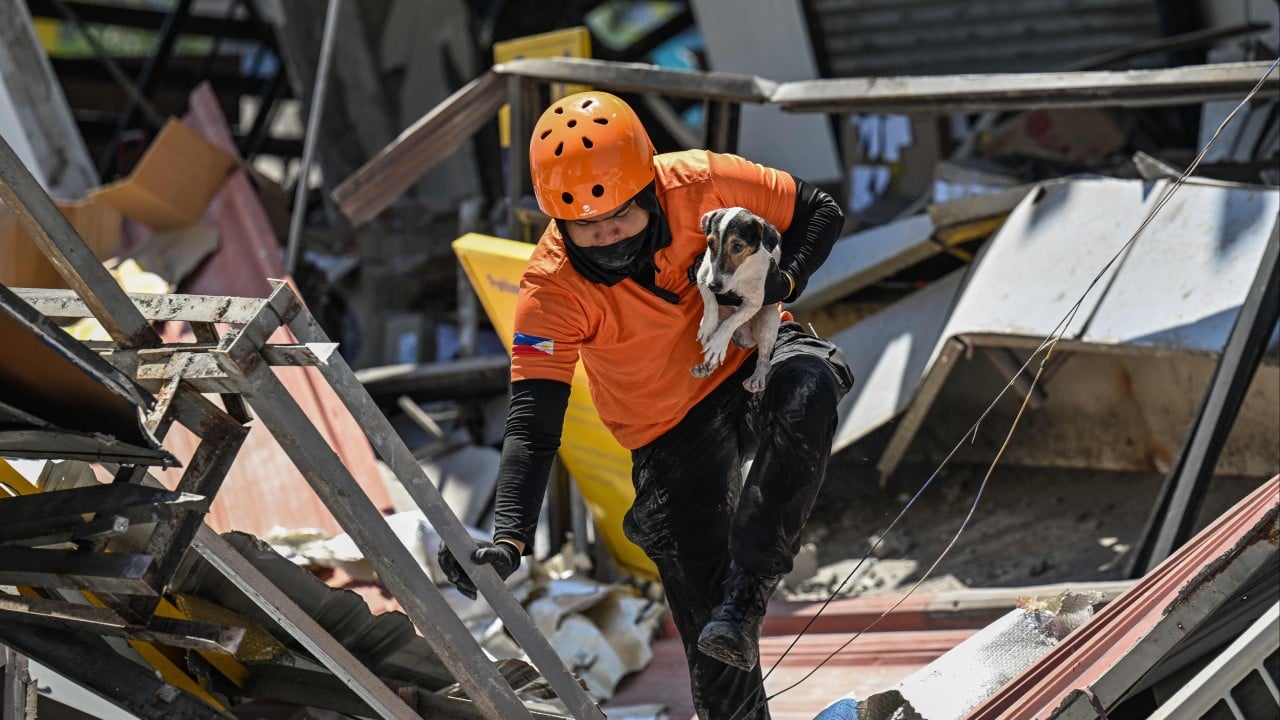
Rescue operations have been a focal point, with reports of multi-vehicle pileups on motorways and isolated motorists requiring airlifts. While no large-scale evacuations have been ordered, local governments have activated winter emergency protocols, distributing salt supplies and setting up warming centers. The human toll, though tragic at six confirmed deaths, serves as a stark reminder of winter's ferocity in a region accustomed to cold but occasionally caught off-guard by intensity.
Historical Context and Europe's Winter Vulnerabilities
Europe has a long history of grappling with severe winter weather, which often arrives in waves during the January-February period. Verified climate data from the European Environment Agency shows that cold snaps contribute to hundreds of excess deaths annually across the continent, primarily from hypothermia, cardiovascular strain, and traffic accidents. Notable past events include the 2018 "Beast from the East," which blanketed the UK and northern Europe under up to 50 cm (20 inches) of snow, causing over 100 fatalities and economic losses exceeding €5 billion. Similarly, the 2021 Storm Filomena dumped record snow in Spain, paralyzing Madrid for days.
These recurring episodes are influenced by the North Atlantic Oscillation (NAO), a pressure pattern that, when in its negative phase, funnels cold Siberian air westward. Recent analyses from the World Meteorological Organization indicate that while overall European winters are warming due to climate change— with fewer frost days—extreme events may intensify due to atmospheric jet stream wobbles. This 2026 outbreak aligns with such patterns, arriving amid a La Niña-influenced season that favors colder European winters.
Infrastructure resilience has improved since earlier disasters, with expanded use of predictive modeling via the Copernicus Climate Change Service. However, aging road and rail networks in eastern Europe remain vulnerable, as evidenced by repeated disruptions in prior years.
Outlook and Response Measures
As of Tuesday evening, meteorological services project a gradual easing by Thursday, though lingering ice could prolong risks. The European Union has coordinated cross-border aid, sharing satellite data and resources through its Civil Protection Mechanism. National leaders have urged caution, with transport ministers in affected countries convening virtually to address the crisis.
Public health officials are emphasizing precautions: staying indoors during peak snowfalls, avoiding non-essential travel, and preparing emergency kits with blankets, food, and chargers. While the death toll stands at six, it could rise as remote areas are reached.
This event reinforces Europe's ongoing challenge in balancing modernization with nature's unpredictability. As recovery efforts ramp up, questions linger on enhancing preparedness amid shifting climate dynamics. Travelers and residents are advised to monitor official updates from national weather services for the latest developments.
(Word count: 712)