Severe Floods Paralyze Kosovo: Heavy Rains Disrupt Power, Water, and Roads Across Multiple Municipalities
Pristina, Kosovo – Torrential rains battering Kosovo since Tuesday, January 6, 2026, have triggered severe flooding across several municipalities, leading to widespread disruptions in electricity and water supplies while blocking key roads and stranding residents.
The flooding, which began around 4:49 p.m. GMT on January 6, has been classified as high severity by emergency monitoring systems. Heavy downpours have overwhelmed rivers and drainage systems, inundating low-lying areas and causing chaos in daily life. CNN reported on the crisis in a video segment aired Wednesday, highlighting the scale of the deluge in real-time footage from affected regions.
Local authorities have reported impacts in multiple municipalities, though specific locations have not been fully detailed in initial dispatches. Roads remain impassable in several areas, hampering rescue efforts and the delivery of essential goods. Power outages have plunged communities into darkness, while contaminated water sources pose additional health risks amid the chaos. No confirmed casualties have been reported as of Wednesday morning, but emergency services are on high alert.
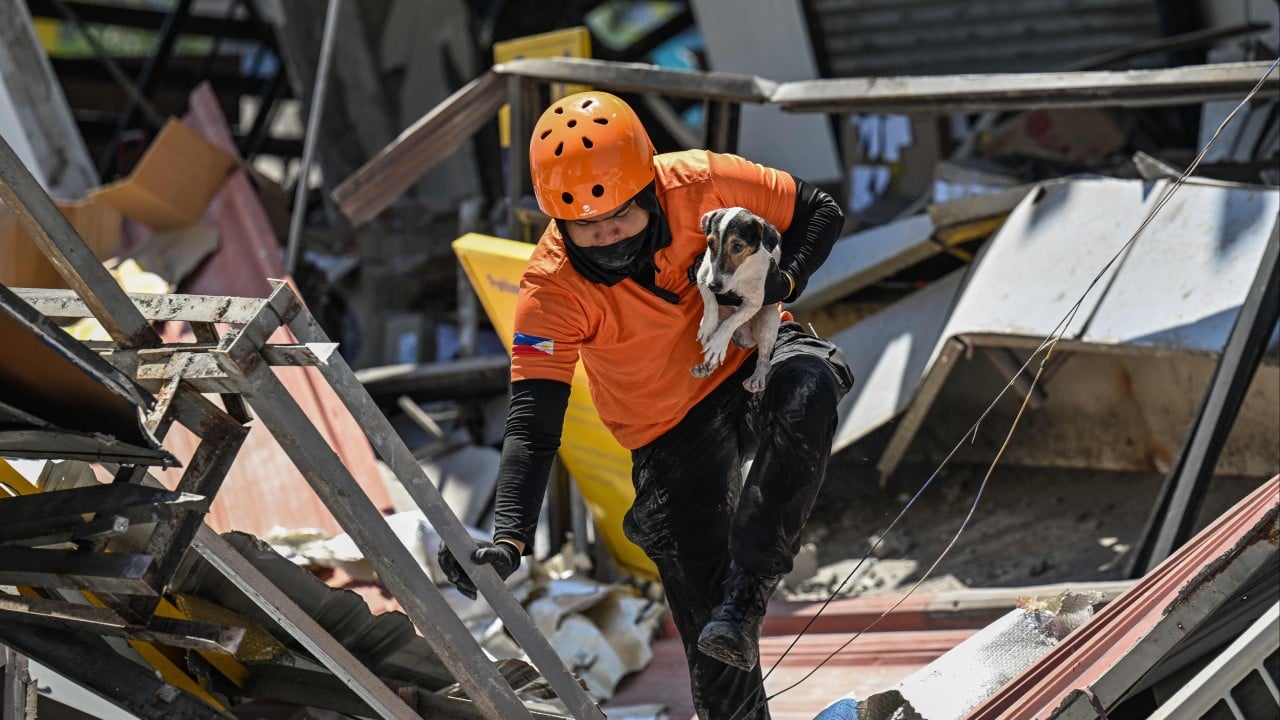
The sudden onslaught of rain follows a period of unseasonably wet weather in the Balkans. Kosovo's Emergency Management Agency has mobilized teams to clear debris and restore services, urging residents to avoid flooded areas and stay indoors. Visuals from CNN's coverage show submerged streets, vehicles partially underwater, and emergency workers in high-visibility gear navigating the muck.
Broader Context in Kosovo's Vulnerability to Extreme Weather
Kosovo, a landlocked nation in the Western Balkans nestled between Serbia, Montenegro, North Macedonia, and Albania, has long grappled with the impacts of severe weather due to its rugged terrain and river systems. The country's landscape features the Shar Mountains and numerous tributaries like the Ibër and Drin rivers, which swell rapidly during heavy precipitation. Winter and early spring rains, often exacerbated by snowmelt from higher elevations, frequently lead to flash floods.
Historical precedents underscore the recurring threat. In 2019, devastating floods in the Gjilan and Mitrovica regions killed at least three people and displaced thousands, damaging homes and infrastructure worth millions of euros. More recently, in late 2023, similar events prompted international aid from the European Union and neighboring countries. Climate data from the Kosovo Hydrometeorological Institute indicates that annual precipitation averages around 700-1,500 mm, with extremes concentrated in the autumn and winter months. Rising temperatures linked to climate change have intensified these events, increasing the frequency of heavy downpours, according to reports from the World Meteorological Organization.
This week's floods align with a broader pattern of wet conditions across Southeast Europe. A low-pressure system originating from the Adriatic Sea has stalled over the region, dumping record rainfall. Neighboring Albania and North Macedonia have also issued flood warnings, though Kosovo appears hardest hit in the immediate vicinity.
Response and Immediate Challenges
Kosovo's government has activated its national civil protection mechanism, coordinating with municipal authorities to distribute aid. The Interior Ministry stated that over 20 crews are working around the clock to repair power lines and pump water from streets. International partners, including the UN Office for the Coordination of Humanitarian Affairs (OCHA), are monitoring the situation for potential escalation.
Residents in flood-prone areas, such as those along the Sitnica River basin, have been advised to evacuate to higher ground. Schools and non-essential services remain closed in affected municipalities, with remote learning options activated where possible. The economic toll is mounting: agriculture, a key sector employing about a quarter of Kosovo's workforce, faces losses from ruined crops and livestock.
CNN's video dispatch, published early Wednesday at 9:09 a.m. GMT, captures the human element—families wading through knee-deep water with belongings in tow and local officials assessing damage under gray skies. The 37-second clip serves as an early visual testament to the flooding's grip on the nation.
Outlook: Recovery Amid Ongoing Risks
As of Wednesday, forecasts from the European Centre for Medium-Range Weather Forecasts predict continued showers through the weekend, raising concerns of prolonged inundation. Kosovo's Prime Minister's office has appealed for public cooperation and hinted at declaring a state of emergency if conditions worsen.
The floods highlight ongoing infrastructure gaps in Kosovo, where aging drainage systems and limited investment in flood defenses—despite EU accession aspirations—leave communities exposed. Long-term resilience efforts, including EU-funded projects for river embankment reinforcements, are underway but progressing slowly.
While the immediate crisis response appears coordinated, full recovery could take weeks. The international community watches closely, ready to provide support as Kosovo navigates this latest test of its disaster preparedness. Updates from local and regional sources will be critical in the coming days.
(Word count: 612)