
Series of Earthquakes Strike Mexico, Raising Concerns Over Seismic Activity
A series of earthquakes have rattled Mexico in recent days, culminating in a significant 6.5 magnitude tremor near Rancho Viejo on January 2, 2026. The seismic events have raised alarms among residents and officials, particularly regarding the implications for the region's geological stability.
The most powerful quake, recorded at 1:58 PM UTC, was centered just 4 kilometers north-northwest of Rancho Viejo, striking at a depth of 35 kilometers. This earthquake was classified with a severity rating of "HIGH," indicating its potential for significant impact. The tremor was felt across a wide area, prompting immediate responses from local authorities and emergency services.
Just hours later, two additional quakes were recorded on the same day. The first, a 4.5 magnitude earthquake, occurred at 3:37 PM UTC approximately 5 kilometers north-northwest of Las Vigas, also at a depth of 35 kilometers. This was followed by another 4.5 magnitude tremor at 5:00 PM UTC, located 3 kilometers south-southeast of San Marcos, with a shallower depth of 24 kilometers. Both quakes were rated as "LOW" in severity.
Earlier in the week, on December 30, 2025, a smaller 2.9 magnitude earthquake had already been detected 48 kilometers east-southeast of Golfo de Santa Clara, at a depth of 5.7 kilometers. Although this quake was classified as "HIGH," its lower magnitude resulted in minimal reported impact.
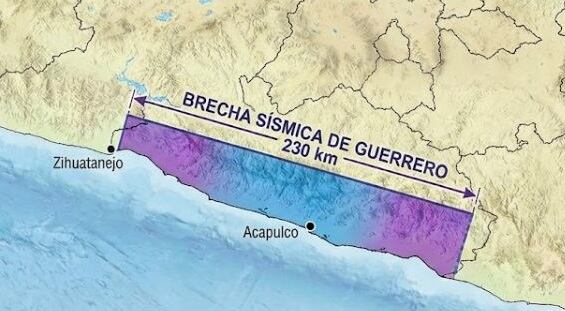
The recent seismic activity has reignited concerns regarding the Guerrero Gap, an area known for its seismic risk and potential for larger earthquakes. Experts have warned that the gap, which has not experienced a major earthquake for several decades, could pose a threat to surrounding regions, particularly in light of the recent 6.5 magnitude quake. The Guerrero Gap has been a focal point for geologists studying earthquake patterns in Mexico, and the latest tremors have intensified discussions about preparedness and risk mitigation.
Seismologists emphasize the importance of monitoring aftershocks that may follow such significant earthquakes, as they can exacerbate damage and complicate recovery efforts. Residents in affected areas are being urged to remain vigilant and prepared for potential aftershocks.
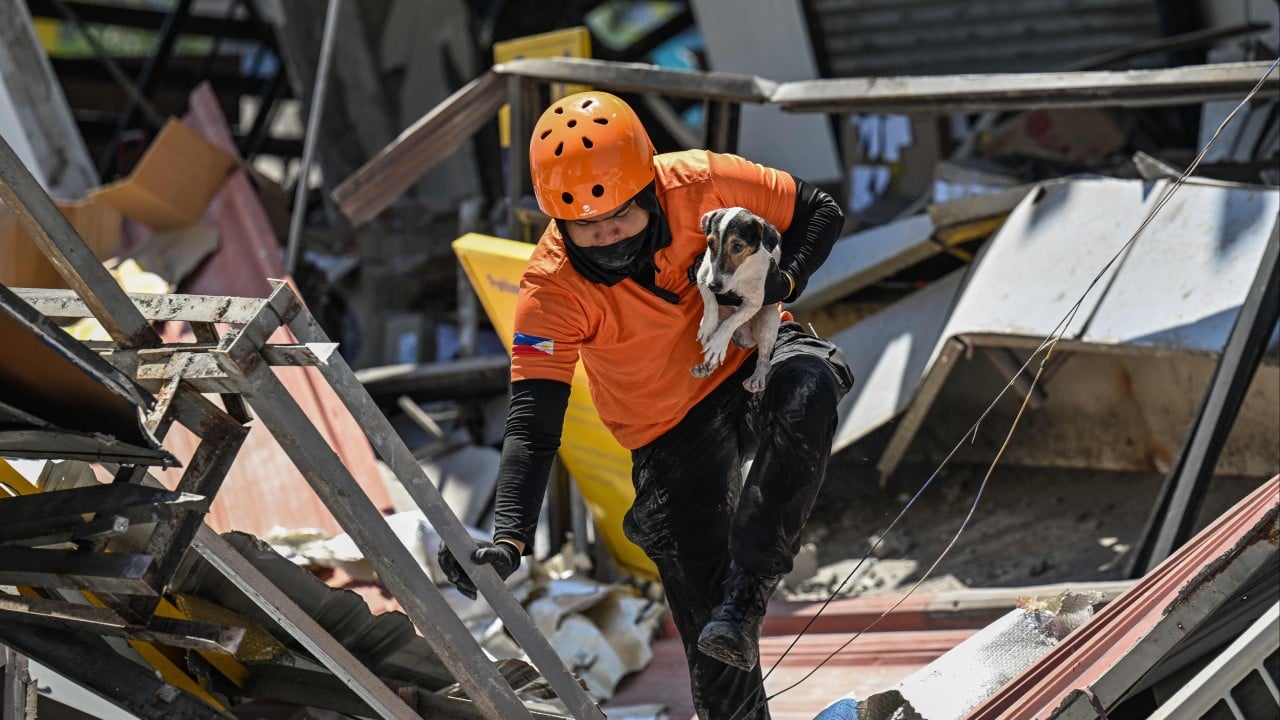
As emergency services assess the damage and provide support to those impacted, the Mexican government is likely to review its earthquake preparedness protocols, especially in regions susceptible to seismic events. The recent series of earthquakes serves as a stark reminder of Mexico's position on the Pacific Ring of Fire, a region notorious for its geological activity.
In conclusion, while the immediate impact of these earthquakes appears manageable, the events have underscored the ongoing seismic risks faced by Mexico and the need for continued vigilance and preparedness in the face of potential future quakes.