
Series of Earthquakes Rattle Mexico, with 6.5-Magnitude Tremor Near Guerrero Triggering Over 2,600 Aftershocks
Mexico City, Mexico – A cluster of earthquakes, including a powerful 6.5-magnitude event, struck various regions of Mexico over the past week, prompting heightened alerts and continuous monitoring by authorities. The strongest quake occurred on January 2, 2026, near Rancho Viejo, followed by two moderate 4.5-magnitude tremors later that day and a smaller 2.9-magnitude event days earlier. In Guerrero state, officials reported more than 2,600 aftershocks following the major quake, underscoring the ongoing seismic risks in the region.
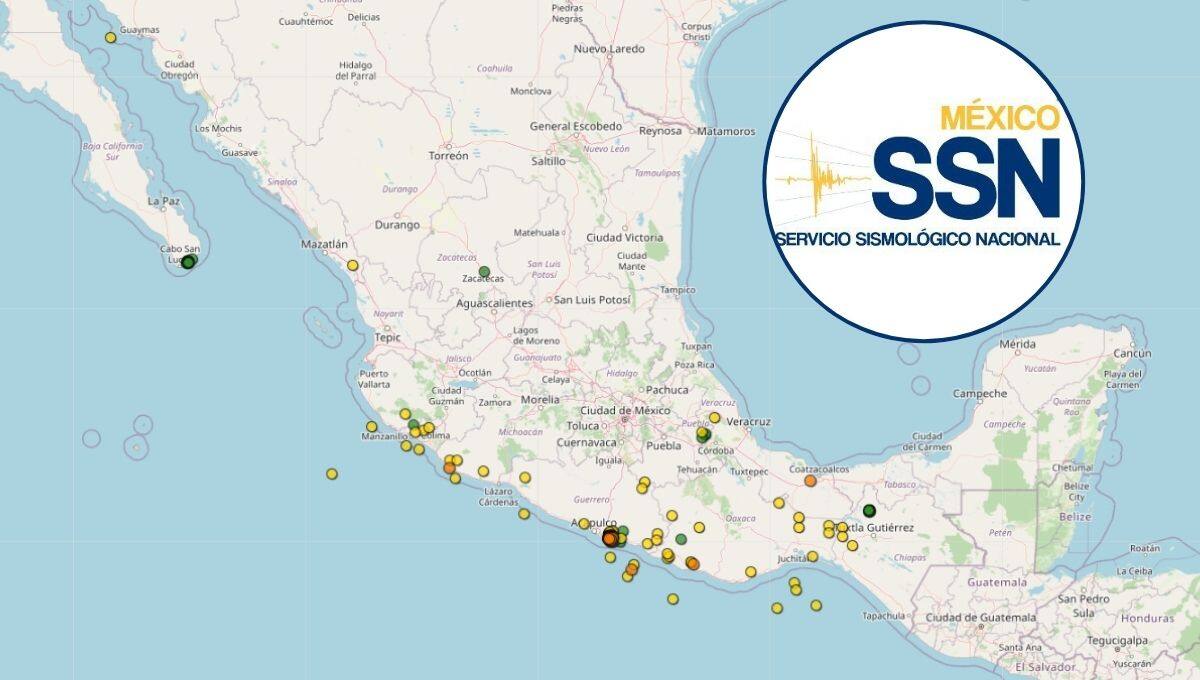
The most significant event unfolded at 1:58 p.m. UTC on Friday, January 2, 2026, when a 6.5-magnitude earthquake struck at a depth of 35 kilometers, approximately 4 kilometers north-northwest of Rancho Viejo, Mexico. Classified as high severity, this tremor was powerful enough to potentially cause noticeable shaking in populated areas, though specific damage reports remain limited in initial assessments. Just over an hour later, at 3:37 p.m. UTC, a 4.5-magnitude quake of low severity hit 5 kilometers north-northwest of Las Vigas at the same 35-kilometer depth. This was followed by another 4.5-magnitude event at 5:00 p.m. UTC, located 3 kilometers south-southeast of San Marcos at a shallower 24-kilometer depth, also rated low severity.
These January 2 quakes appear concentrated along Mexico's seismically active Pacific coast, particularly in areas near Guerrero and Veracruz states. Las Vigas is situated in Veracruz, while San Marcos lies in Guerrero, a region prone to tectonic activity. The sequence suggests possible aftershocks or related seismic swarms stemming from the initial 6.5-magnitude event. Adding to the activity, a milder 2.9-magnitude earthquake of high severity occurred on December 30, 2025, at 11:02 a.m. UTC, at a shallow depth of 5.7 kilometers, 48 kilometers east-southeast of Golfo de Santa Clara in Sonora state, near the Gulf of California.
In Guerrero, the aftermath of the 6.5-magnitude quake has been particularly intense. According to reports from Mexican authorities cited in El Imparcial, more than 2,600 réplicas (aftershocks) have been recorded since the main event. Officials have maintained a state of alert, with continuous monitoring to track potential further activity. "Autoridades mantienen alerta y seguimiento continuo," the article noted, emphasizing preparedness measures amid the prolonged shaking.
No immediate casualties or widespread structural damage have been confirmed from these specific events, but the frequency and proximity to populated areas have raised concerns. Mexico's National Seismological Service (SSN) and Civil Protection agency routinely issue alerts for quakes above magnitude 5.0, and the Guerrero sequence aligns with patterns of post-mainshock activity.
Seismic Context in Mexico
Mexico sits atop the Pacific Ring of Fire, where the Cocos Plate subducts beneath the North American Plate at rates of up to 7-10 centimeters per year. This subduction zone generates frequent earthquakes along the country's southern and western coasts, particularly in states like Guerrero, Oaxaca, Chiapas, and Michoacán. Guerrero has a history of significant seismic events; for instance, the 2022 magnitude 7.6 quake near Ometepec caused extensive damage and over 2,000 injuries. The region's shallow crustal faults and the Middle America Trench contribute to both intraslab and interface earthquakes, often followed by prolonged aftershock sequences.
The January 2 cluster echoes this volatility. Shallow quakes like the 2.9-magnitude event near Golfo de Santa Clara are common in the extensional Basin and Range province of northern Mexico, where the Gulf of California acts as a transform fault. Depths around 5-35 kilometers, as recorded here, indicate crustal or upper mantle origins, capable of producing felt shaking but typically less destructive unless near urban centers.
Authorities' response mirrors protocols refined after past disasters. The SSN provides real-time data via apps and sirens, while Guerrero's civil defense has urged residents to identify safe zones and prepare emergency kits. The over 2,600 aftershocks highlight the risk of "swarm" activity, where smaller quakes can precede or follow larger ones, potentially leading to fatigue in structures.
Ongoing Monitoring and Outlook
As of January 5, 2026, when reports of the Guerrero aftershocks surfaced, seismic networks continue to detect minor tremors. Experts anticipate aftershocks could persist for weeks, gradually diminishing in intensity. Civil protection teams in affected states are conducting assessments, with no evacuations ordered but vigilance urged.
Mexico's earthquake early warning system, SASMEX, has proven effective in recent years, providing seconds to minutes of advance notice for major events. This infrastructure, combined with public drills like the annual September 19 exercises commemorating the 1985 Mexico City quake, bolsters resilience.
Residents in Guerrero, Veracruz, Sonora, and surrounding areas are advised to stay informed through official channels. While these quakes did not reach the scale of historic events like the 1985 magnitude 8.0 tremor that killed thousands in Mexico City, they serve as reminders of the nation's constant exposure to seismic hazards. Continuous monitoring by authorities ensures a proactive stance as the new year unfolds.
(Word count: 712)