
Senate Republicans Push Tough Immigration Bill Amid Trump's Consumer Finance Proposal
Washington, D.C. – Senate Republicans have launched a significant push for immigration legislation aimed at strengthening enforcement against fraud in the naturalization process, coinciding with former President Donald Trump's announcement of plans to cap credit card interest rates at 10%. These developments, unfolding in early January 2026, highlight ongoing partisan efforts to reshape key areas of U.S. policy ahead of potential legislative battles.
The immigration initiative gained momentum on January 8, 2026, when Senate Republicans began advocating for amendments to the Immigration and Nationality Act (INA). The proposed bill seeks to classify fraud convictions as deportable offenses and mandate automatic denaturalization for naturalized citizens found guilty of such fraud. Rated as a medium-severity legislative event, the measure reflects long-standing Republican priorities on border security and immigration integrity, amid heightened debates over citizenship processes.
Details of the bill indicate it would expand grounds for removal under the INA, a foundational 1952 law governing U.S. immigration that has been amended numerous times, including through the Illegal Immigration Reform and Immigrant Responsibility Act of 1996. Proponents argue that automatic denaturalization would deter fraudulent applications, streamline deportations, and protect the sanctity of U.S. citizenship. While specifics on bill sponsors or exact text remain emerging, the push aligns with prior Republican-led efforts, such as the 2024 border security supplemental package that stalled in Congress.
This comes as the U.S. grapples with ongoing immigration challenges. U.S. Customs and Border Protection reported over 2.4 million migrant encounters at the southern border in fiscal year 2025, fueling calls for reform. Naturalization fraud cases, though relatively rare— with U.S. Citizenship and Immigration Services revoking fewer than 200 naturalizations annually in recent years—have been spotlighted in high-profile instances, including operations targeting sham marriages and false claims. Critics, including immigrant advocacy groups like the American Immigration Council, warn that automatic denaturalization could lead to due process violations and disproportionately affect lawful permanent residents.
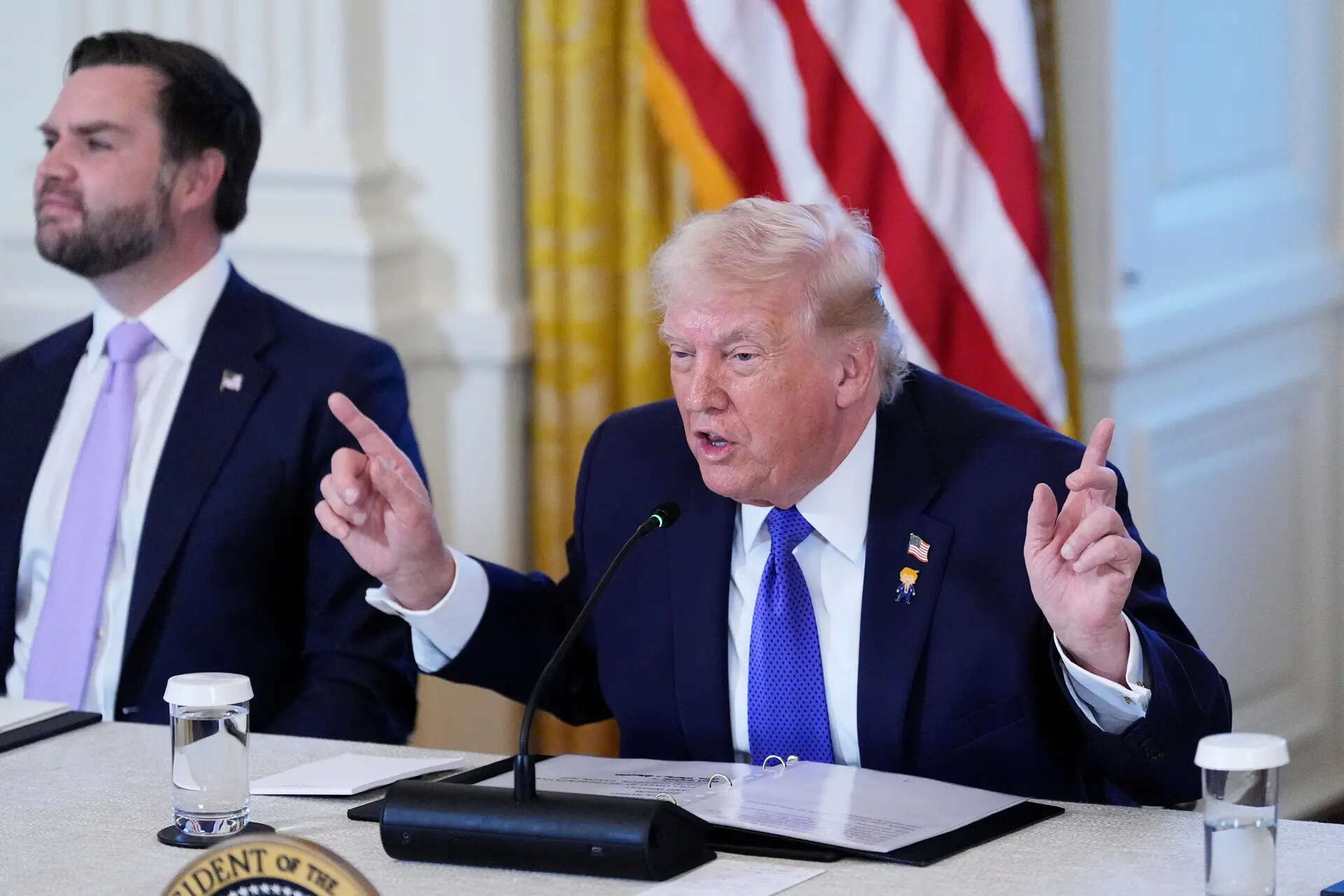
In a parallel development, on January 10, 2026, Trump announced his intention to impose a 10% cap on credit card interest rates, positioning it as a populist measure to shield consumers from "ripoff" practices. Speaking at a campaign-style event, Trump declared that credit card companies would be barred from charging rates of 20% to 30% or higher, lambasting the Biden administration—referred to as the "Sleepy Joe admin"—for permitting such levels to persist. "Won't let US public be ripped off!" Trump emphasized, according to reports.
This proposal builds on Trump's historical focus on consumer protection, echoing his 2024 campaign rhetoric and past executive actions like the 2020 payroll protection tweaks during the pandemic. Current average credit card APRs hover around 21-24%, per Federal Reserve data, exacerbating affordability amid inflation rates that peaked at 9.1% in 2022 but have since moderated to about 2.5% by late 2025. Implementing a cap would likely require congressional action or regulatory changes via the Consumer Financial Protection Bureau, potentially facing opposition from the financial industry, which argues high rates reflect risk-based pricing for subprime borrowers.
Background on U.S. Legislative Landscape
The U.S. Congress enters 2026 with a divided landscape: Republicans hold a slim Senate majority following the 2024 midterms, while the House remains narrowly controlled by Democrats. Immigration has been a perennial flashpoint, with comprehensive reform elusive since the last major overhaul under President George W. Bush. Trump's credit card proposal taps into broader economic populism, amid consumer debt reaching $17.5 trillion in Q4 2025, per Federal Reserve figures, with credit card balances up 5% year-over-year.
These initiatives underscore partisan strategies. Senate Republicans' immigration bill could serve as a vehicle for broader enforcement measures, potentially tying into upcoming budget reconciliation talks. Trump's announcement, timed closely after the bill's emergence, may signal coordination within the GOP ecosystem, though he is not in office.
Outlook
As these proposals advance, their fates hinge on bipartisan support, which has proven scarce. The immigration bill faces Democratic resistance over fears of overreach, while Trump's rate cap could encounter pushback from banking lobbies but appeal to working-class voters. With the 2026 midterms looming, both could evolve into key campaign issues. Lawmakers are expected to debate the immigration measure in committee soon, while Trump's team has hinted at legislative blueprints for the finance reform.
Stakeholders on all sides urge caution: immigration hardliners demand swift action, consumer advocates hail the rate cap, and opponents call for balanced approaches. For now, these events signal an active start to the legislative session, with potential ripple effects on millions of Americans.
(Word count: 712)






