
SBA Suspends 7,000 Borrowers Amid $400 Million Pandemic Fraud Scheme
In a significant crackdown on fraud, the Small Business Administration (SBA) has suspended nearly 7,000 borrowers in Minnesota, suspecting involvement in a vast scheme linked to pandemic relief loans amounting to approximately $400 million. This development comes as authorities intensify their efforts to root out fraudulent activities that have exploited the COVID-19 relief programs established to support struggling businesses.
The SBA's action, which began on January 2, 2026, marks one of the largest suspensions in the agency's history. The borrowers in question are suspected of submitting false information to secure loans intended to help businesses survive the economic downturn caused by the pandemic. The scheme raises serious concerns about the integrity of the federal relief efforts designed to aid legitimate businesses during a time of crisis.
Authorities have indicated that the investigation is ongoing and could lead to further legal actions against individuals and organizations involved in the fraudulent activities. "This is a clear message that fraud will not be tolerated, and we will take decisive action to protect taxpayer dollars," said an SBA spokesperson. The agency is working closely with the Department of Justice (DOJ) and other law enforcement agencies to address the situation.
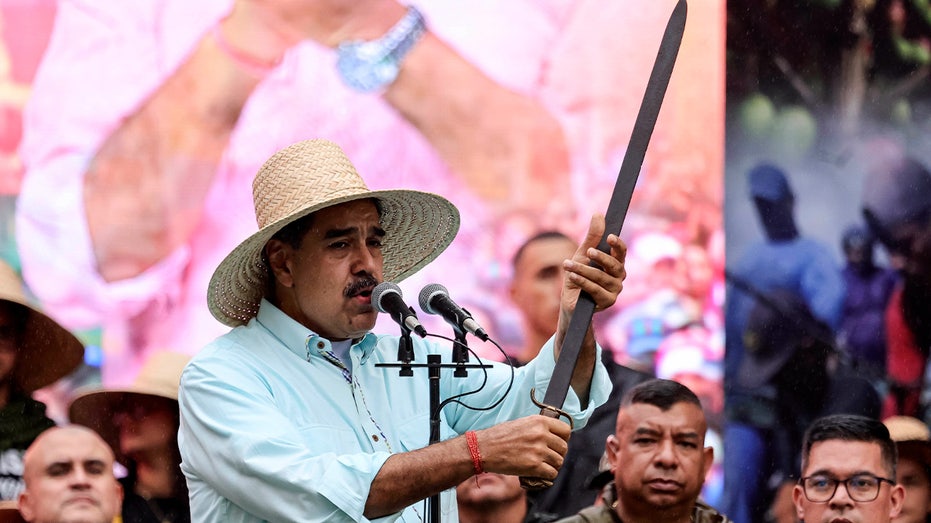
In a related context, the DOJ has recently unsealed an indictment against key figures in a criminal organization believed to be operating within the United States. This organization, linked to Venezuelan President Nicolás Maduro, has been implicated in narco-terrorism and a cocaine conspiracy that has expanded its reach into U.S. cities. The indictment highlights the growing concern over the influence of foreign criminal enterprises within the American landscape, further complicating the fight against domestic crime.
The dual challenges posed by fraudulent pandemic relief claims and the infiltration of foreign criminal gangs illustrate the multifaceted nature of crime in the United States today. The SBA's ongoing investigation into the Minnesota fraud case underscores the necessity of vigilance in safeguarding public funds, while the actions against the Maduro-backed gang reflect broader national security concerns.
These developments come at a time when the U.S. is grappling with various crime-related issues, ranging from drug trafficking to economic fraud. As law enforcement agencies ramp up their responses, the public is left to navigate an increasingly complex environment where both financial and physical security are at stake.
In conclusion, the recent suspension of borrowers by the SBA and the indictment of a foreign criminal organization signal an urgent need for comprehensive strategies to combat fraud and organized crime. The ongoing investigations and legal actions will likely evolve, as authorities seek to address these pressing challenges head-on. The outcomes of these efforts will be pivotal in determining the future landscape of crime and public safety in the United States.






