Saudi Drone Interceptions: A Threat to National Security and Vision 2030
Saudi Arabia's air defenses intercepted 18 drones targeting its eastern region on March 9, 2026, including one near a key oilfield. This incident highlights escalating regional tensions and potential risks to Vision 2030 reforms, as resources shift from economic diversification to defense amid Iran-backed threats.
Incident Overview
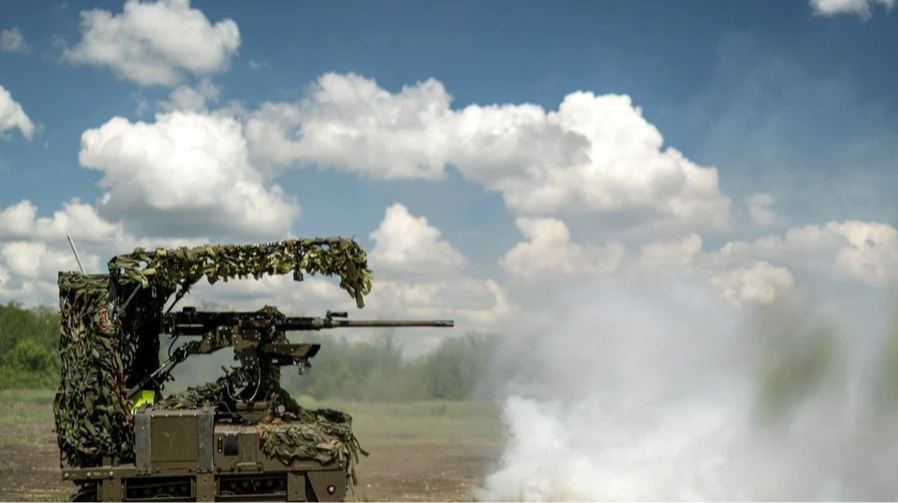
Saudi forces neutralized 18 drones aimed at the eastern province, a vital area for oil infrastructure. One drone was shot down near an oilfield, with no reported casualties or damage. The attack aligns with ongoing hostilities involving groups like the Houthis, though no claims have been made. This event underscores the challenges of detecting low-altitude drone swarms, despite rapid responses from Saudi defenses.
Historical Context and Implications
This interception follows a pattern of aerial threats, including Iran's missile strikes on February 28, 2026, and subsequent attacks. Such incidents strain Saudi Arabia's internal security, diverting resources from Vision 2030 initiatives like social reforms and youth empowerment. Past investments in defense systems have helped, but vulnerabilities persist, potentially eroding public trust and inflating defense budgets.
Looking Ahead
Escalation could involve more drone swarms from Iran allies, impacting Gulf stability and global oil prices. Saudi Arabia might accelerate AI-driven security measures, possibly delaying key projects. Diplomatic efforts through Oman or the U.S. could de-escalate tensions, but without action, proxy wars may intensify. This developing story will be updated as new details emerge.
Sources:
- Saudi Arabia intercepts 18 drones - Anadolu Agency
- Drone shot down in Saudi east - Anadolu Agency *(Word count: 602)