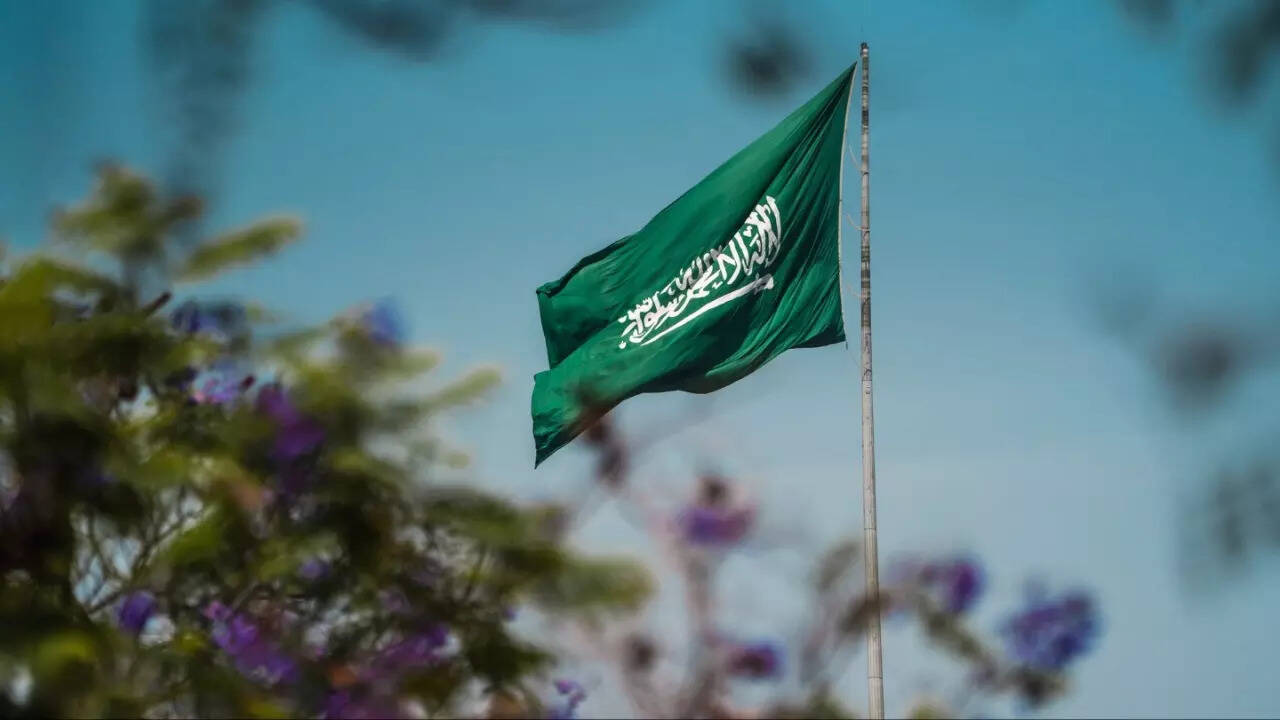

Saudi Arabia's Strategic Shift: Navigating Gulf Tensions Amid Rising Geopolitical Stakes
Current Developments
Confirmed reports indicate Saudi Arabia summoned Iran's ambassador on January 15, 2026, following heightened regional frictions exacerbated by US-Israel strikes. Simultaneously, sources cited by Middle East Eye report Riyadh privately instructed allies like the UAE and Bahrain to refrain from actions that could provoke Iran, emphasizing restraint amid Red Sea threats and Houthi activities. This comes as unconfirmed reports suggest Iranian naval movements near the Strait of Hormuz, though no direct clashes have occurred. Saudi state media has highlighted ongoing "Gulf Shield" drills, underscoring military preparedness without escalation.
Context & Background
Saudi Arabia's approach builds on a volatile timeline of regional flux. Tensions with the UAE escalated on January 2, 2026, echoing past rifts over Yemen influence that strained the Gulf Cooperation Council (GCC). Yet, just a day later on January 3, Riyadh voiced support for Yemeni peace talks, signaling a pivot toward diplomacy. The UAE's participation in Gulf Shield drills on January 5 demonstrated reconciliation efforts, fostering joint security. The January 10 Greek-Saudi naval exercise in the Red Sea—Riyadh's first major Western-tied drill there—marks historical collaboration, reminiscent of post-2019 Abraham Accords alignments, aimed at countering Iranian proxies. By January 15, Saudi-led de-escalation talks underscored an evolving foreign policy from confrontation to calibrated engagement.
What This Means
Saudi Arabia's dual strategy—diplomatic overtures like Yemeni peace backing paired with Gulf Shield and Greek exercises—offers unique value in stabilizing the Gulf. It humanizes the stakes: for Yemenis enduring blockade hardships, peace talks promise relief; for Saudi citizens, military drills ensure deterrence without war's toll. This shift counters Iran's shadow influence, potentially easing oil chokepoints vital to global energy. Implications ripple to stakeholders: GCC unity strengthens against shared threats, while Riyadh positions itself as a pragmatic mediator, diverging from hawkish UAE stances. Amid US-Israel actions, it mitigates proxy escalations, preserving economic gains from China-brokered Saudi-Iran détente in 2023.
What People Are Saying
Social media buzz reflects cautious optimism. Analyst @MEWatchdog tweeted: "Saudi summoning Iran envoy while drilling with Greece? Classic Riyadh hedging—diplomacy first, but ready to pivot. #GulfTensions." GCC commentator @GulfAnalyst posted: "UAE in Gulf Shield post-tensions? Smart reconciliation, but Iran's Hormuz games test it. Sources spot on." Saudi FM Prince Faisal bin Farhan stated: "De-escalation serves all; stability is our shield." Iranian outlets downplayed the summons as "routine," per Tehran Times.
Looking Ahead
Saudi diplomatic efforts hold a 60-70% likelihood of yielding short-term calm, bolstered by Yemeni talks, but hinge on US-Israel restraint—escalatory strikes could spike risks to 40%. Watch Iran-Saudi backchannels for Hormuz pacts; successful ones forecast thawing ties by mid-2026. Broader Gulf dynamics may see deeper NATO-GCC ties via Greek precedents, though UAE-Saudi frictions linger. Escalation odds rise if Houthis disrupt shipping, prompting a unified response.
This is a developing story and will be updated as more information becomes available.
*(Word count: 612)






