
Saudi Arabia's Geopolitical Chessboard: Emerging Alliances for Gulf Stability
Introduction
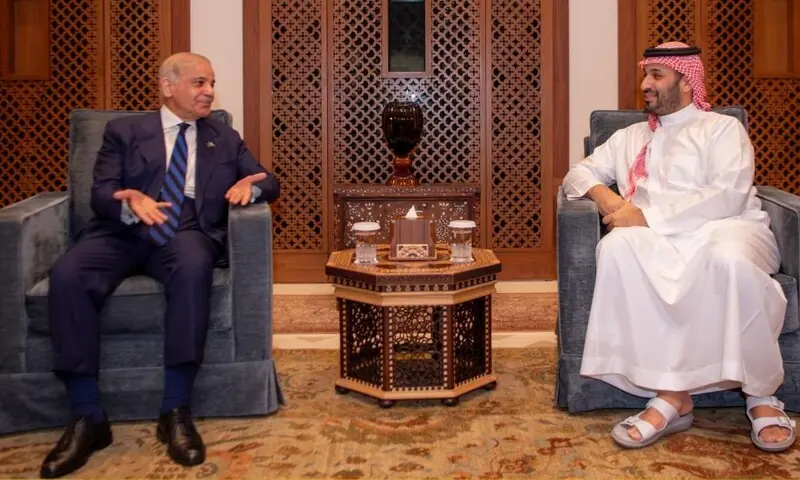
Saudi Arabia is recalibrating its strategy amid escalating Middle East tensions, including Houthi disruptions in the Red Sea and partial closures of the Strait of Hormuz. Recent meetings between Pakistani Prime Minister Shehbaz Sharif and Saudi Crown Prince Mohammed bin Salman highlight Riyadh's pivot to non-Gulf allies like Pakistan and Greece. These alliances aim to counter Iranian threats and stabilize key trade routes, which handle 12-15% of global trade per UNCTAD data. This deep dive explores how these partnerships are reshaping Saudi strategy for long-term security.
Historical and Current Dynamics
Saudi Arabia's alliances have evolved from GCC-focused isolation to diversified security frameworks, driven by past rifts like the Yemen war and Qatar blockade. Today, amid Iranian proxy activities and Hormuz disruptions affecting 20% of global oil, partnerships with Pakistan—offering military support—and Greece—enhancing naval capabilities—are crucial. These moves reduce reliance on fractured Gulf allies, as seen in recent exercises and diplomatic talks, fostering economic safeguards and deterrence.
Looking Ahead
Saudi Arabia's strategy could lead to a multipolar Gulf by 2027, with alliances mitigating risks like oil price spikes to $120/barrel. However, poor management might alienate traditional partners. Optimistically, expanded coalitions could lower conflict odds by 15-20%, promoting stability through diversified deterrence and global investments.
What This Means
These alliances signal a shift toward proactive security, protecting Saudi exports and Vision 2030 goals while addressing Red Sea vulnerabilities. By integrating non-regional players, Riyadh balances threats without overextending, potentially setting a model for regional peace.






