
Saudi Airstrikes in Yemen Heighten Tensions Amid National Security Concerns
Recent airstrikes conducted by Saudi Arabia in Yemen have escalated concerns regarding national security in the region. These operations come in the wake of ongoing Houthi attacks that have targeted Saudi interests and allies, particularly those of the United Arab Emirates (UAE). The airstrikes mark a significant development in an already volatile situation, raising questions about the implications for both Saudi Arabia and its regional partners.
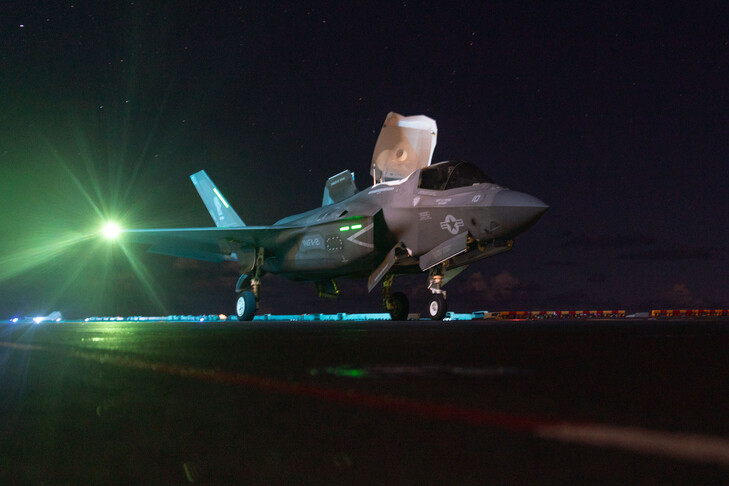
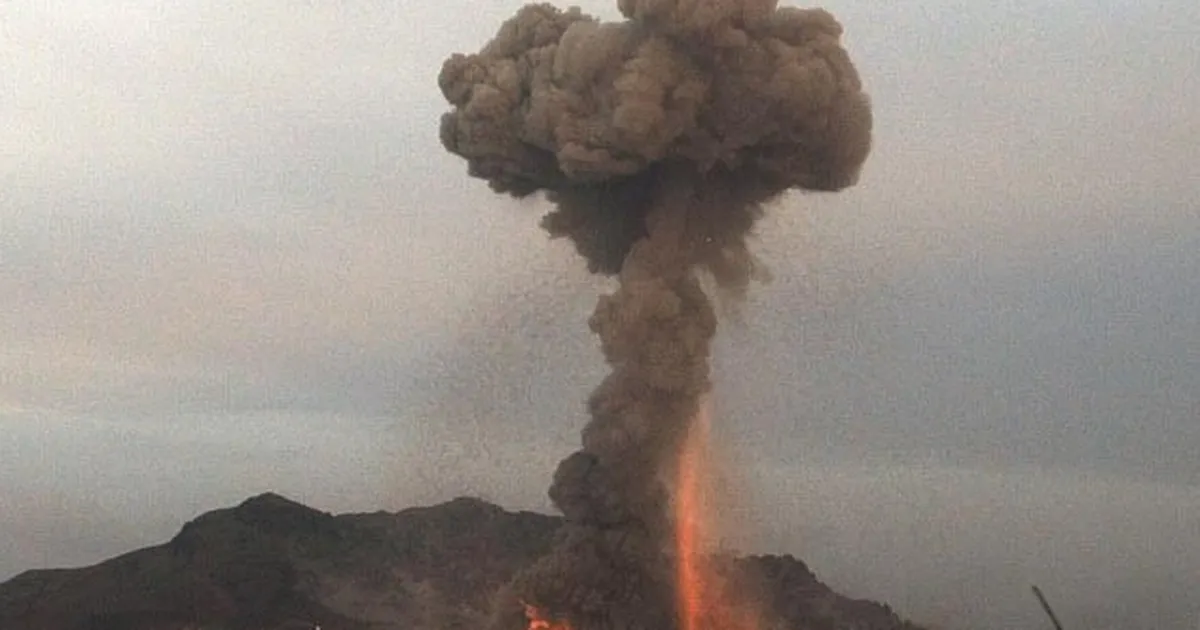
On December 31, 2025, Saudi Arabian forces launched a series of airstrikes aimed at Houthi positions in Yemen. The strikes were reportedly in response to a series of drone attacks orchestrated by the Houthi movement, which have increasingly threatened Saudi territory and its vital economic sectors. The Saudi military has emphasized that these operations are crucial for safeguarding national security and protecting its borders from Houthi aggression.
The airstrikes are part of a wider strategy by Saudi Arabia to counteract the growing influence of the Houthis, who have been a significant force in Yemen’s ongoing civil war since 2014. The conflict, which has resulted in a humanitarian crisis, has seen the Houthis receive support from Iran, further complicating the geopolitical landscape in the region.
Saudi officials have articulated that their military actions are not only a defensive measure but also serve to deter potential threats to the UAE, a close ally in the Gulf Cooperation Council (GCC). The UAE, while reducing its military footprint in Yemen, has continued to face risks from Houthi missile and drone attacks targeting its territory. The recent escalation underscores the interconnected nature of security challenges faced by Saudi Arabia and the UAE, prompting both nations to reaffirm their commitment to collective security.
The Houthi movement has responded to the airstrikes with threats of retaliation, emphasizing their capability to target Saudi and Emirati interests. This cycle of violence illustrates the ongoing instability in Yemen, where peace efforts have repeatedly faltered. The Houthi leadership has condemned the Saudi airstrikes, labeling them as acts of aggression that violate Yemeni sovereignty.
The international community has expressed concern over the impact of these military actions on Yemen's humanitarian situation, which has already been deemed one of the worst crises in the world. Aid organizations have warned that further military escalation could exacerbate the suffering of millions of Yemenis who are in dire need of assistance.
Background
Yemen has been embroiled in a civil war since 2014, primarily between the internationally recognized government, backed by Saudi Arabia, and the Houthi rebels, who control significant portions of the country. The conflict has drawn in regional powers, creating a complex proxy war that has led to widespread devastation and a humanitarian disaster. The ongoing tensions between Saudi Arabia and the Houthis are not only a reflection of local grievances but also a manifestation of broader regional rivalries, particularly between Saudi Arabia and Iran.
As military operations continue, the prospects for peace in Yemen remain uncertain. Diplomatic efforts to reach a negotiated settlement have so far yielded limited results, with both sides entrenched in their positions. The recent airstrikes indicate that Saudi Arabia is willing to escalate its military involvement in Yemen if it perceives its national security to be at stake.
Conclusion
The airstrikes in Yemen mark a critical juncture in the ongoing conflict and highlight the precarious balance of power in the region. With both Saudi Arabia and the UAE facing immediate threats from Houthi attacks, the situation could further deteriorate, leading to increased military engagements and heightened risks for civilians in Yemen. As the world watches closely, the need for renewed diplomatic efforts to resolve the conflict becomes ever more pressing.