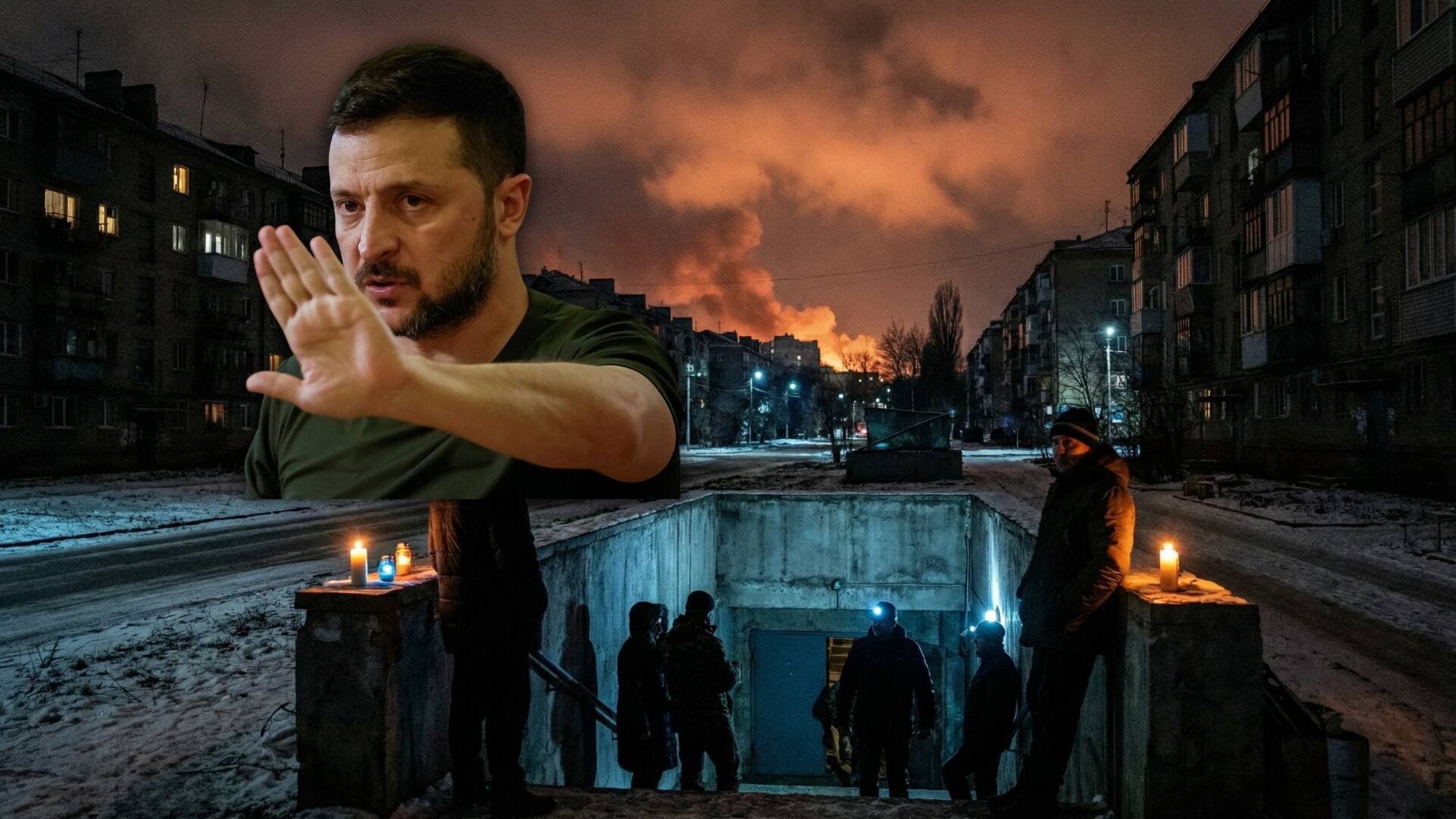

Russian Strikes Trigger Widespread Blackouts in Southeastern Ukraine as Zelensky Warns of Imminent Massive Assault
Kyiv, Ukraine – Russian missile and drone strikes on January 8, 2026, plunged large parts of Ukraine's southeastern Dnipropetrovsk and Zaporizhzhia regions into darkness, with officials reporting near-total power loss across affected areas. The attacks, which began around 07:39 GMT, disrupted electricity for more than 600,000 households, exacerbating hardships during the harsh winter months. Ukrainian President Volodymyr Zelensky accused Russian President Vladimir Putin of deliberately using the cold weather as a weapon, while warning of a potential massive follow-up attack overnight.
The strikes targeted critical energy infrastructure, including power grids and substations, in line with a pattern of assaults observed throughout the ongoing conflict. Local authorities in Dnipropetrovsk and Zaporizhzhia described the blackouts as severe, with restoration efforts underway but hampered by ongoing threats and frigid temperatures dipping below freezing. Emergency services reported no immediate casualties from the strikes themselves, but the loss of power raised immediate concerns over heating, water supply, and medical services in the impacted zones.
In a public statement, Zelensky highlighted the strategic timing of the attacks, stating that Russia was leveraging winter conditions to maximize civilian suffering. "Putin is using winter as a weapon after leaving more than 600,000 homes without electricity," he warned, according to reports from Ukrainian and international media. He further cautioned that intelligence indicated preparations for a large-scale assault that same night, urging citizens to heed air raid sirens and seek shelter. Ukrainian air defenses intercepted several incoming projectiles, but the volume of strikes overwhelmed some sectors, allowing damage to propagate through the grid.
Escalation Amid Winter Vulnerabilities
These latest strikes come at a critical juncture in the Russia-Ukraine war, now entering its fourth year since Moscow's full-scale invasion on February 24, 2022. Russia has systematically targeted Ukraine's energy sector, particularly since the fall of 2022, aiming to cripple the country's power generation and distribution capabilities. Previous campaigns in late 2022 and winter 2023-2024 damaged or destroyed around 50% of Ukraine's energy infrastructure, according to the International Energy Agency (IEA), leading to rolling blackouts nationwide and forcing millions to endure sub-zero conditions without reliable heat or light.
Ukraine has shown resilience through rapid repairs, decentralized generation, and international aid. In 2023, Western allies provided over $10 billion in energy equipment, including transformers and mobile power plants, helping restore much of the grid ahead of subsequent winters. However, the 2025-2026 season has seen renewed intensity, with Russia deploying hypersonic missiles and Iranian-designed Shahed drones to strike both frontline and rear areas. The Dnipropetrovsk and Zaporizhzhia regions, key industrial hubs near the front lines, have been frequent targets due to their proximity to occupied territories and role in supporting military logistics.
Zaporizhzhia Oblast, home to Europe's largest nuclear power plant under Russian control since March 2022, remains a flashpoint. While the plant itself was not reported hit in these strikes, past incidents have raised global fears of radiological risks. Dnipropetrovsk, an inland powerhouse with steelworks and chemical plants, powers much of southern Ukraine and has faced repeated barrages.
Humanitarian and Strategic Implications
The blackouts have prompted an urgent humanitarian response. Ukraine's State Emergency Service deployed generators to hospitals, schools, and shelters, while the Red Cross and UN agencies warned of heightened risks for vulnerable populations, including the elderly and those dependent on electrically powered medical devices. Temperatures across the region hovered around -5°C (23°F) on January 8, amplifying the crisis as families resorted to wood stoves and candles.
Internationally, the attacks drew swift condemnation. The European Union reiterated calls for enhanced air defenses, with EU foreign policy chief Josep Borrell stating on January 9 that such strikes violate international humanitarian law by targeting civilian infrastructure. The United States, a primary supplier of Patriot systems to Ukraine, announced additional munitions shipments in response to the escalation.
From a military perspective, the strikes align with Russia's doctrine of attrition warfare, seeking to erode Ukrainian morale and economic output without major ground advances. Ukrainian forces reported repelling simultaneous assaults in the Donetsk region, but energy disruptions could strain logistics and civilian support networks.
Outlook: Bracing for Winter Warfare
As repair crews race against the clock, Ukraine faces a protracted challenge through the remainder of winter. Energy Minister German Galushchenko estimated that full restoration in the affected oblasts could take days to weeks, depending on further attacks. Zelensky's warning of an imminent massive strike underscores the precarious security environment, with air raid alerts sounding across multiple regions overnight.
The international community continues to monitor closely, with NATO allies pledging sustained support. However, war fatigue and competing global crises, including Middle East tensions, test the limits of aid commitments. For Ukraine's 40 million people, these blackouts serve as a stark reminder of the conflict's enduring toll, testing national resolve amid the deepening cold.
(Word count: 712)






