
Russian Strikes Trigger Major Blackouts in Ukraine's Southeast Amid Reports of New Geran-5 Drone Deployment
Kyiv, Ukraine – Russian military strikes have plunged large parts of Ukraine's southeastern regions into darkness, with officials reporting near-total power outages in Dnipropetrovsk and Zaporizhzhia oblasts. The attacks, which began on January 8, 2026, mark a significant escalation in targeting critical infrastructure, coinciding with intelligence reports of Russia's first use of an advanced jet-powered drone against Ukrainian targets.
The blackouts, described by Ukrainian authorities as severe, have affected widespread areas in the industrial heartland of Dnipropetrovsk—home to the city of Dnipro—and Zaporizhzhia, a region encompassing the occupied Zaporizhzhia Nuclear Power Plant. Power loss has reached almost 100% in some districts, disrupting heating, water supply, and essential services during the winter months. Emergency response teams are working to restore electricity, but the scale of the damage suggests prolonged outages.
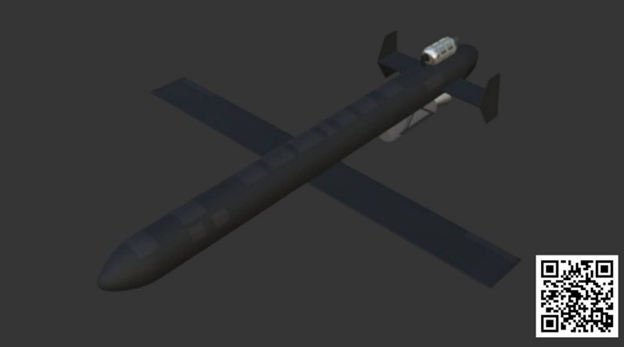
Ukrainian military intelligence has linked recent aerial assaults to the debut deployment of the Geran-5 drone, a jet-powered variant of Russia's Iranian-designed Geran series (also known internationally as Shahed drones). According to a report from the Kyiv Independent published on January 11, 2026, this new model represents a tactical upgrade, featuring enhanced speed and range compared to propeller-driven predecessors. The Geran-5's first confirmed use underscores Moscow's ongoing efforts to overwhelm Ukraine's air defenses through evolving drone technology.
These strikes fit into a broader pattern of Russian campaigns against Ukraine's energy grid. Since the full-scale invasion began in February 2022, Russia has systematically targeted power generation, transmission, and distribution facilities. In the winters of 2022-2023 and 2023-2024, similar barrages destroyed or damaged around 50% of Ukraine's power capacity, according to the International Energy Agency. Dnipropetrovsk and Zaporizhzhia, key hubs for energy production and industry, have been recurrent targets due to their strategic value. Zaporizhzhia hosts Europe's largest nuclear power plant, under Russian control since March 2022, raising global concerns about nuclear safety amid the conflict.
Ukrainian officials have not yet publicly detailed the exact munitions used in the January 8 strikes, but the timing aligns with intensified drone and missile activity. The Geran-5, as reported, could explain the attacks' penetration of defenses, given its reported jet propulsion allowing speeds exceeding 500 km/h—faster than earlier models' 180 km/h. This evolution challenges Ukraine's layered air defense systems, including Western-supplied Patriot and NASAMS batteries, which have intercepted thousands of incoming threats since 2022.
Background on Russia's Energy War
Russia's strategy of targeting civilian infrastructure has drawn international condemnation. The United Nations and European Union have documented over 1,000 strikes on energy facilities since October 2022, leading to rolling blackouts affecting millions. In response, Ukraine has received billions in aid for repairs and decentralized power solutions, such as gas turbines and solar installations. Dnipropetrovsk Oblast, with its metallurgical plants and rail networks, powers much of Ukraine's military-industrial output, while Zaporizhzhia’s energy infrastructure supports southern fronts.
The International Atomic Energy Agency (IAEA) maintains a presence at Zaporizhzhia NPP to monitor safety, issuing repeated warnings about risks from nearby combat. Blackouts in these regions exacerbate vulnerabilities, as off-site power is critical for cooling systems at nuclear facilities. No radiation incidents have been reported from the latest strikes.
From the Russian perspective, the Defense Ministry has framed such operations as strikes on "military-industrial targets" supporting Ukraine's armed forces. Moscow claims its drones target only legitimate military objectives, though independent verifications, including satellite imagery from Maxar Technologies, have shown damage to substations and residential areas.
Ukrainian Response and International Context
Ukraine's Air Force reported active interceptions during the January 8 barrage, but the sheer volume overwhelmed some sectors. President Volodymyr Zelenskyy has repeatedly called for enhanced air defenses, with recent U.S. and EU pledges including additional Patriot systems. The blackouts come amid stalled U.S. aid debates in late 2025, though European allies have ramped up deliveries.
Restoration efforts are underway, with Energy Minister Herman Halushenko stating that mobile generators are being deployed. However, full recovery could take weeks, per patterns from prior attacks. The Geran-5's introduction signals potential for more frequent, harder-to-detect strikes, prompting NATO allies to accelerate drone countermeasures research.
As winter deepens, these events highlight the war's grinding toll on civilians. With over 10 million Ukrainians facing energy shortages last winter, the latest blackouts risk humanitarian crises, including hypothermia and disrupted medical services. International aid organizations, including the Red Cross, are mobilizing support.
Looking ahead, analysts anticipate intensified Russian pressure on energy targets through early 2026, testing Ukraine's resilience and Western commitments. Diplomatic efforts for ceasefires remain distant, with both sides entrenched in attritional warfare now entering its fourth year.
(Word count: 712)






