Russian Strikes on Kyiv Region Escalate Tensions Amid Upcoming Peace Talks

Latest from X
Russian Strikes on Kyiv Region Escalate Tensions Amid Upcoming Peace Talks
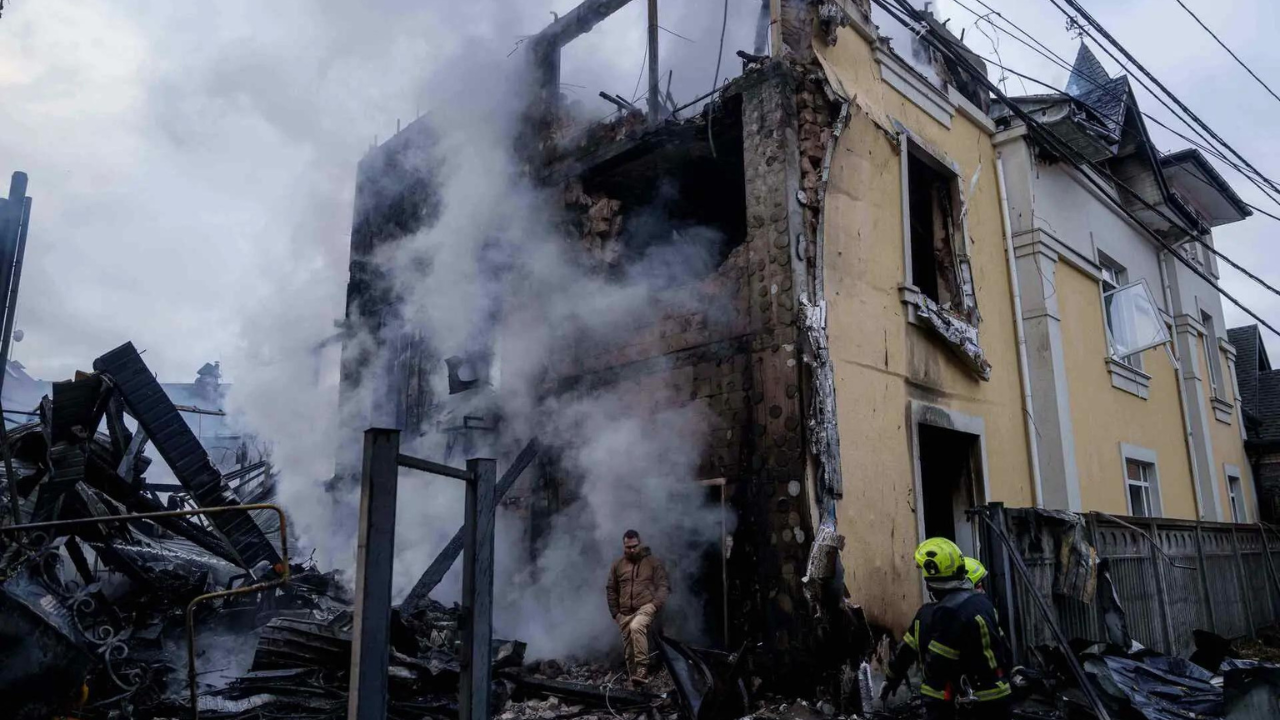
Ukrainian President Volodymyr Zelensky has condemned recent Russian missile strikes on the Kyiv region, labeling Russian President Vladimir Putin a "man of war" as peace negotiations loom. The attacks, which occurred on December 31, 2025, resulted in at least two civilian deaths and heightened concerns about the prospects for diplomatic resolution in the ongoing Russia-Ukraine conflict.
The strikes targeted civilian areas in Kyiv, marking a significant escalation in hostilities despite international calls for de-escalation. According to reports from multiple sources, the attacks involved missile barrages that struck residential and infrastructure zones, leading to widespread alarm across Ukraine. Two civilians were killed in the Kyiv area, as confirmed by Ukrainian authorities, underscoring the human cost of the violence. This incident follows a pattern of aerial assaults that have persisted since the full-scale invasion began in 2022, with recent months seeing intensified Russian operations amid stalled peace efforts.
Zelensky's remarks, made in the context of these events, emphasized Ukraine's unwavering stance on negotiations. In public statements, he reiterated that any peace talks must include a full and unconditional ceasefire, rejecting any compromise on territorial integrity. This position aligns with broader Ukrainian policy, which views Russian-occupied regions as temporary and insists on their return as a precondition for dialogue. The timing of the strikes, just days before potential peace discussions, has drawn sharp criticism from Ukrainian officials, who argue that such actions undermine efforts to achieve a lasting truce.
Details from the strikes reveal the severity of the assault. Reports indicate that air raid alerts were issued across Ukraine, with explosions reported in Kyiv and surrounding areas. The Times of India article highlights that the attacks resulted in immediate casualties and damage to civilian infrastructure, including potential strikes on non-military targets. Similarly, Italian media outlets, as covered by GDELT sources, reported on the widespread missile alerts and the resulting fatalities, painting a picture of heightened vulnerability for urban centers. These accounts collectively underscore the indiscriminate nature of the strikes, which have disproportionately affected civilians and strained Ukraine's air defense systems.
In the broader context, this escalation occurs against the backdrop of a nearly four-year conflict that has seen Russia annex parts of eastern Ukraine and Crimea, leading to thousands of deaths and a massive humanitarian crisis. The war, which intensified following Russia's 2022 invasion, has involved territorial disputes, economic sanctions, and diplomatic isolation for Moscow. Recent developments, including alleged refusals by Russia to honor temporary ceasefires, have further complicated peace prospects. As of early 2026, international mediators, including the United States and European Union, have been pushing for renewed talks, but progress remains elusive amid mutual accusations of bad faith.
Posts on X from verified users, including journalists and experts, have echoed sentiments of frustration and skepticism regarding the peace process. For instance, discussions on the platform highlight Zelensky's firm rejection of partial agreements, with some users referencing his calls for a complete halt to hostilities. These posts also reflect ongoing debates about Russia's intentions, with mentions of potential withdrawals from negotiations due to disputed incidents. However, such social media commentary should be treated as indicative of public sentiment rather than definitive evidence, given the platform's mix of verified and unverified information.
Looking ahead, the strikes raise questions about the viability of upcoming peace talks. Zelensky's characterization of Putin as a "man of war" signals a hardening of positions, potentially complicating efforts by global powers to broker a ceasefire. Analysts suggest that any resolution will require addressing core issues like territorial control and security guarantees, but the recent violence could delay or derail these discussions. As the international community monitors the situation, the focus remains on de-escalation to prevent further loss of life and pave the way for meaningful dialogue.
This event serves as a stark reminder of the fragility of peace in the region, with civilians bearing the brunt of the conflict. As Ukraine and its allies navigate these challenges, the world watches for signs of progress amid the shadows of war.
Track this story live
Live World Map
Monitor global events in real time with a live activity map and hotspot summaries.
Global Conflict Map
Follow active conflict zones, strike activity, and emerging geopolitical hotspots.
Current Wars
Track all active wars and armed conflicts happening in the world right now.
Iran War
Track the Iran war in real time with proxy network monitoring, Strait of Hormuz risk, and market impact.
Original Sources
- •
- •
- •
Editorial process: This article was synthesized from the original sources cited above using The World Now's AI editorial system, with byline accountability from our editorial team. We grade every story for source grounding, factual coherence, and on-topic match before publication. Read more about our editorial standards and contributors. Spot something inaccurate? Let us know.
Last updated: March 31, 2026






