
Russian Strikes Kill Two in Kyiv Region on Eve of Allies' Meeting, Intensifying Ukraine Conflict
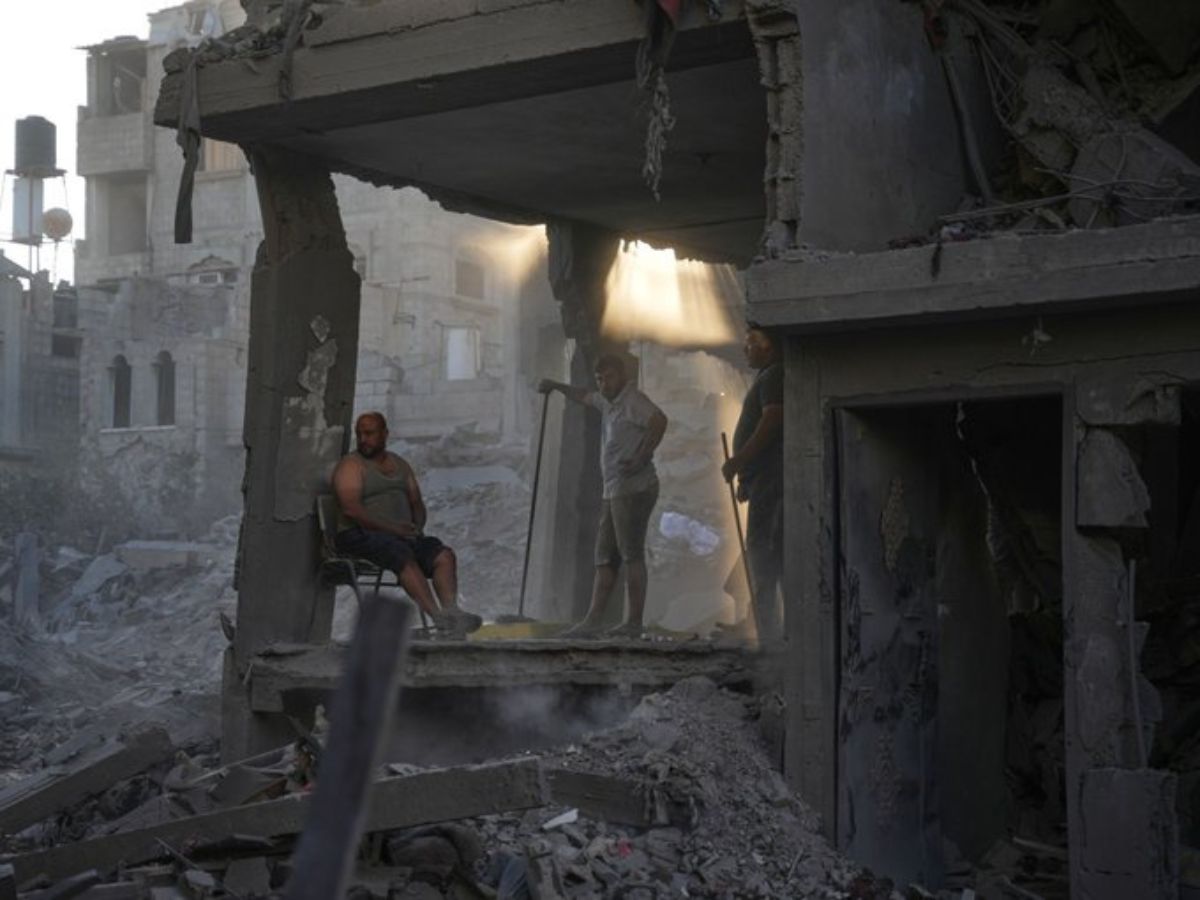
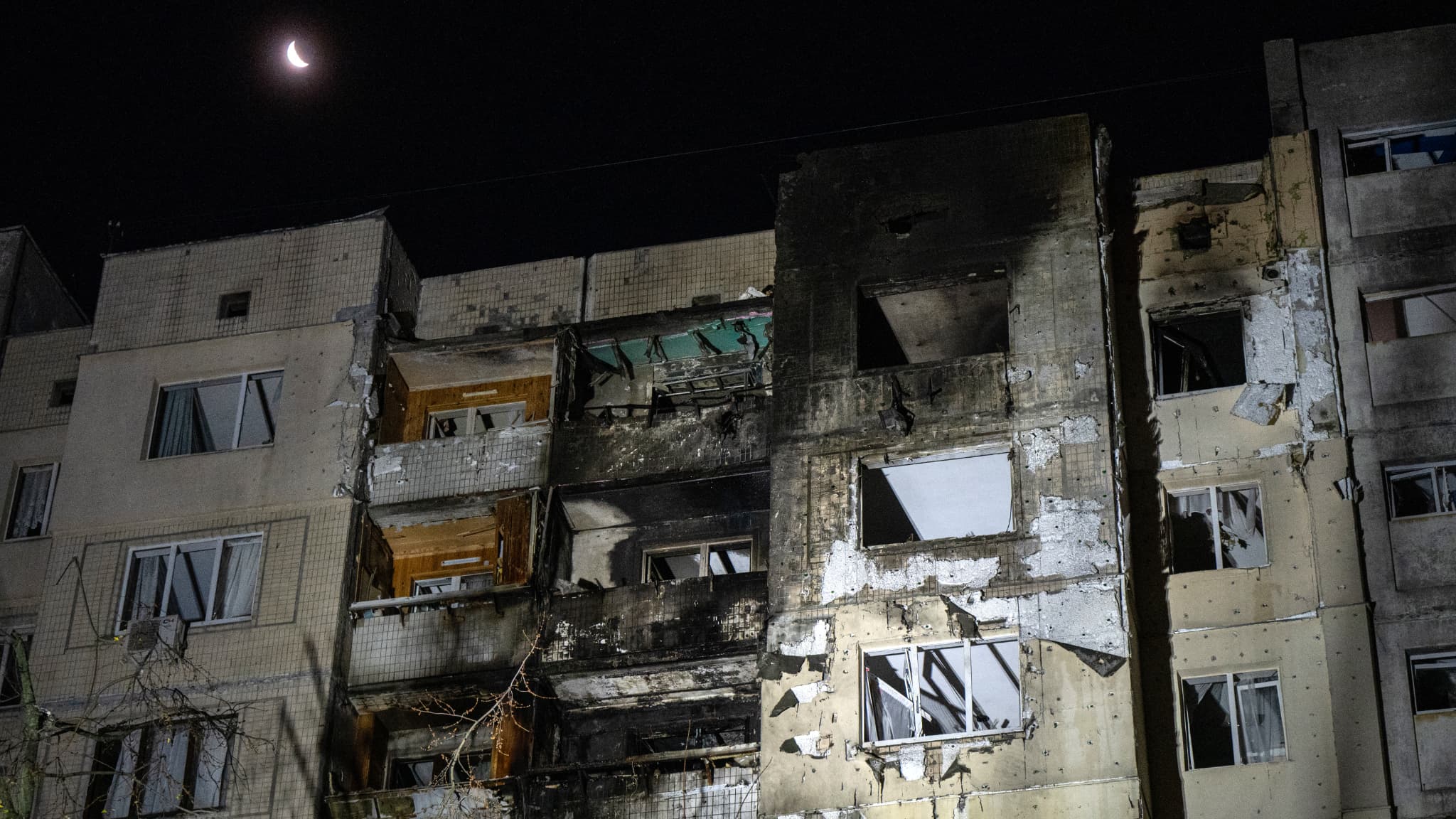
Kyiv, Ukraine – Russian forces launched a series of aerial attacks on the Ukrainian capital and its surrounding region overnight into January 5, 2026, killing at least two people and damaging infrastructure, including a medical center. The strikes, which triggered missile alerts and shelter orders, occurred just before a planned meeting of Ukraine's allied nations in Paris, heightening tensions in the ongoing war.
The attacks targeted Kyiv directly and its periphery, with reports confirming two fatalities: one in the capital and another in the outskirts. Ukrainian authorities reported significant damage to civilian areas, prompting Kyiv Mayor Vitali Klitschko to order residents in the Obolonskyi district to seek shelter and evacuate where necessary. These marked the first reported civilian deaths in Ukraine from Russian strikes in 2026, according to multiple outlets monitoring the conflict.
Eyewitness accounts and official statements described a barrage of missiles and drones that set off widespread air raid sirens. Poland responded by closing its airspace amid the heightened alert level, reflecting the regional spillover of the violence. The Russian Defense Ministry did not immediately comment on the strikes, but the timing—hours before international discussions on support for Kyiv—drew sharp rebukes from Ukrainian leadership.
Escalation Amid Diplomatic Maneuvers
The Kyiv assaults follow a pattern of intensified Russian strikes on urban centers, consistent with the Kremlin's strategy since the full-scale invasion began in February 2022. Previous waves have targeted energy infrastructure and civilian hubs, especially during winter months to maximize disruption. These latest attacks coincide with Ukrainian President Volodymyr Zelensky's recent characterization of Russian President Vladimir Putin as a "man of war," a statement issued ahead of anticipated peace talks and allied coordination efforts.
Reports from French, Romanian, Irish, and Portuguese media outlets detailed the immediate aftermath: explosions rocked the capital following air alerts, with debris and fires reported in residential zones. One account specified damage to a medical facility in the Kyiv region, underscoring the strikes' impact on essential services. Arabic-language coverage from Al Jazeera echoed calls for civilians to remain in shelters, highlighting the human toll as families huddled underground.
In a related development, U.S. President-elect Donald Trump dismissed Kremlin claims of a Ukrainian drone attack on Putin's residence near Moscow, as published in Russia's Defense Ministry footage. Trump labeled the assertion unfounded, amid ongoing tit-for-tat accusations between Kyiv and Moscow. This exchange occurred parallel to the Kyiv strikes, complicating the narrative ahead of multinational talks.
Background on the Ukraine-Russia Conflict
Russia's invasion of Ukraine, now entering its fourth calendar year, has resulted in tens of thousands of military and civilian casualties, widespread destruction, and a humanitarian crisis displacing millions. Western allies, including the United States, European Union members, and NATO partners, have provided billions in military aid, including air defense systems that have intercepted many incoming threats. France, hosting the upcoming allies' meeting, has been a key supporter, alongside Germany and the UK.
The Paris gathering, referenced across European reports, aims to coordinate further assistance, potentially including enhanced air defenses and sanctions on Russia. Such meetings, reminiscent of the Ramstein format, have sustained Ukraine's resistance but faced criticism for not yielding a ceasefire. Russian strikes often intensify before diplomatic windows, as seen in late 2024 offensives around Kharkiv and Donetsk.
Meanwhile, a separate Russian drone strike on Odesa on December 31, 2025, further escalated southern frontline tensions, though detailed casualty figures from that incident remain unconfirmed in recent reporting.
Outlook and Regional Repercussions
As Ukraine braces for potential follow-up attacks, air defenses remain on high alert. The loss of life in Kyiv serves as a grim reminder of the conflict's persistence, with no immediate signs of de-escalation. Allied nations' response at the Paris meeting could influence future aid flows, particularly as U.S. policy shifts under the incoming Trump administration.
International observers note Poland's airspace closure as evidence of the war's cross-border effects, straining NATO's eastern flank. Ukrainian forces continue defensive operations, while Russia maintains territorial gains in the east. The strikes underscore the fragile path to any negotiated resolution, with Zelensky's rhetoric signaling Kyiv's resolve against what it terms unprovoked aggression.
(Word count: 712)