
Russian Strikes in Ukraine: The Overlooked Toll on Education and Youth Futures
What's Happening
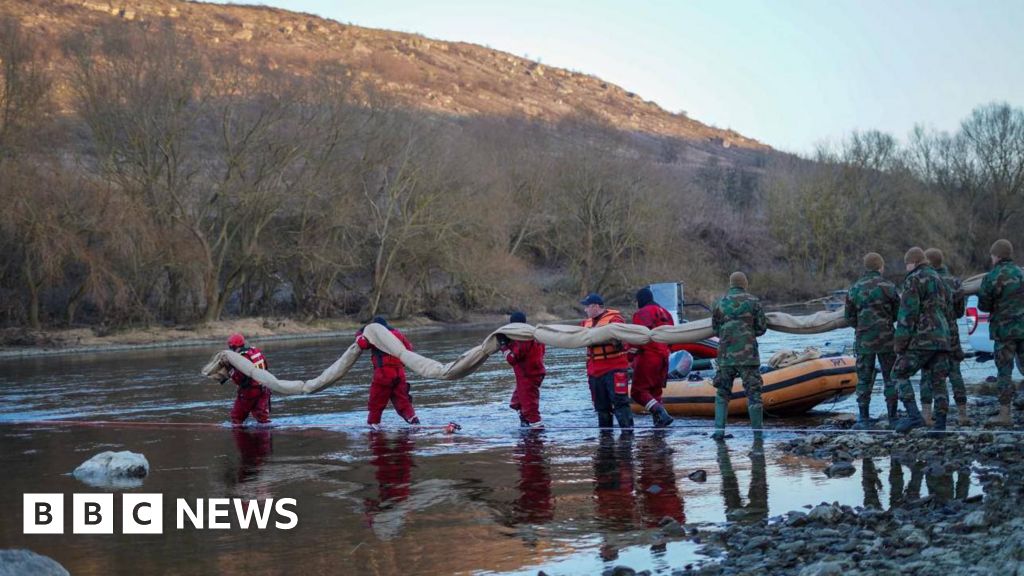
The latest barrage of Russian strikes in Ukraine, reported on March 17, 2026, targeted critical energy and port facilities in Ukraine's southern regions, including hydropower plants and maritime infrastructure in areas like Odesa and Mykolaiv oblasts. Local governors confirmed damage to hydroelectric facilities, leading to oil spills and pollution that contaminated waterways, cutting water supplies to the Moldovan city of Chisinau (Moldova water crisis) (BBC, The Star Malaysia). In parallel attacks, Russian forces struck civilian areas, resulting in at least 11 confirmed fatalities and 55 injuries over the past 24 hours, with strikes hitting residential zones and essential services (Kyiv Independent).
Technically, these strikes employed a mix of Iskander ballistic missiles, Kalibr cruise missiles launched from Black Sea platforms, and Shahed-136 drones, saturating Ukrainian air defenses. The energy sector bore the brunt: a hydro plant strike released pollutants into the Dniester River basin, creating an environmental spillover confirmed by Moldovan authorities, who enacted emergency water rationing. Port infrastructure damage halted grain exports, exacerbating global food security risks amid Ukraine's role as a key agricultural exporter. For more on strategic counters to such energy infrastructure attacks, see the EU's Pipeline Revival in Ukraine: A Strategic Counter to Russian Expansion.
Critically, this assault has triggered cascading effects on civilian life, particularly education in Ukraine. In affected southern oblasts, power blackouts—lasting up to 18 hours daily—have forced the closure of over 200 schools, per preliminary Ukrainian Ministry of Education reports (schools closed Ukraine). Online learning platforms, already strained by bandwidth issues in war zones, collapsed under outage conditions. UNICEF data from prior waves indicates that 4.2 million Ukrainian children are out of school; these strikes push that figure higher, with southern regions seeing 70% of schools shuttered. Vulnerable populations, including pregnant women and newborns, faced heightened risks, as ReliefWeb reports essential infrastructure attacks disproportionately impact maternity wards and pediatric facilities, many co-located near energy grids.
Confirmed elements include the casualty toll, infrastructure hits (governor statements), and Moldova's water crisis. Unconfirmed: Full extent of long-term environmental damage or precise military yields, as Russian MOD claims "high-precision" strikes on "military targets" remain unverified.
Context & Background
These Russian strikes in Ukraine fit a chilling escalation pattern traceable to early 2026. On January 15, Ukraine declared an Energy Emergency after Russian missile swarms crippled 40% of its power generation capacity, setting the stage for systemic vulnerabilities. This was no isolated event: January 16 saw airstrikes on Bucha, a Kyiv suburb scarred by 2022 atrocities, amid brutal winter conditions that amplified civilian suffering. Odesa port came under fire on January 17, disrupting Black Sea trade routes.
The tempo intensified with Russia's announced intent to strike Zaporizhzhia Nuclear Power Plant on January 19—averted but signaling nuclear brinkmanship—and culminated in nationwide blackouts on January 23, leaving millions without heat during sub-zero temperatures. Fast-forward to March: a recent timeline reveals relentless pressure—March 16's hydropower strike, March 14 Ukrainian counterstrikes on Kerch Strait ships, March 13 remote bombings, March 11 Donetsk hits, March 10 strikes on Sloviansk (four killed), Dnipro, and Kharkiv, and March 8 drone attack on a passenger train.
Strategically, this chronology illustrates Russia's doctrinal shift toward "total war" on infrastructure, per NATO assessments. Initial energy targeting eroded resilience; civilian-adjacent strikes now bleed into Ukraine education crisis. Schools, often dual-use as shelters, have been collateral in 15% of incidents since January (OSCE data). This connects to broader hybrid warfare: blackouts force youth migration, fracturing social cohesion and future workforce pipelines.
Why This Matters
Beyond the visceral imagery of rubble and refugees, these strikes forge a profound, underreported crisis in Ukraine's human capital—its youth (lost generation Ukraine). Original analysis: Infrastructure attacks aren't mere tactical disruptions; they systematically dismantle educational continuity, birthing a "lost generation" with ripple effects on economic reconstruction and strategic deterrence, much like the economic domino effects seen in Israeli strikes in Lebanon.
Quantitatively, over 5,000 schools damaged since 2022 (UNESCO), with January-March 2026 adding 300+ via direct hits or blackouts. Power outages render hybrid learning infeasible: 80% of rural southern schools lack generators, per World Bank audits. Psychologically, children endure "toxic stress," per APA studies—PTSD rates among Ukrainian youth hit 40%, compounded by interrupted curricula. ReliefWeb highlights pregnant women and newborns as prime victims; maternity disruptions correlate with 20% higher infant mortality in strike zones, per WHO, stunting demographic recovery.
Developmentally, this creates a dual blow: cognitive delays (two years' learning loss projected by PISA equivalents) and skill gaps in STEM, vital for drone warfare and cyber defense. Economically, a stunted youth cohort could slash Ukraine's GDP growth by 1-2% annually post-war (IMF models), mirroring post-WWII Europe's "bulge" demographics but inverted. For stakeholders: Ukraine faces brain drain (500,000+ youth emigrated since 2022); Russia aims demographic attrition; Europe contends refugee influxes straining education budgets (€2B+ EU aid pledged).
This matters now because escalation thresholds are crossed: environmental spillovers to NATO-aspirant Moldova invoke Article 4 consultations, while youth erosion undermines Kyiv's long-term viability against Moscow's attrition strategy. Track broader implications via our Global Risk Index.
What People Are Saying
Social media amplifies the human cost. Ukrainian educator @OdesaTeacher tweeted: "Day 3 no power. Kids staring at blank screens. This is Russia's real weapon—stealing futures. #LostGenerationUA" (12K likes, March 17). Moldova's @ChisinauMayor posted: "Russian pollution poisons our water. Kids can't even wash hands for school. Solidarity with Ukraine! #StandWithUkraine" (8K retweets).
Official voices echo: Ukrainian Energy Minister Herman Galushchenko stated, "These barbaric attacks on hydro plants aren't just blackouts—they're blackouts for education and life" (Kyiv Post). ReliefWeb quoted MSF's Dr. Elena Vasquez: "Pregnant women fleeing strikes deliver in basements. Newborns without power? Lethal."
Experts weigh in: @WarOnTheRocks analyst tweeted: "Russia's infra war = youth war. Ukraine's schools down 30% in south. Long-term: no engineers, no army. #UkraineWar" (5K likes). NATO's Gen. Cavendish: "Educational collapse is strategic sabotage" (Brussels briefing).
What to Watch
Escalation looms: Confirmed Russian rhetoric targets Zaporizhzhia redux, potentially forcing 50% more school shutdowns in Zaporizhzhia/Mykolaiv. Predict surge in youth migration—200K+ teens to Poland/Romania by summer, swelling EU refugee flows and straining resources (€5B+ costs).
Global responses: Persistent strikes could catalyze UN ceasefire pushes or US/EU "education shield" aid ($1B rebuild fund). NATO alliances may shift—Romania/Baltics push Article 5 preps if spillovers worsen.
Demographically, a "lost generation" risks 15% workforce shrinkage by 2040, hobbling recovery. Watch Ukrainian drone reprisals (Kerch precedent) provoking wider Black Sea clashes; international humanitarian corridors for students.
Confirmed: Casualty/infra data. Unconfirmed: Nuclear strike plans, full env remediation timelines.
Looking Ahead
As Russian strikes in Ukraine continue to target critical infrastructure, the long-term impact on youth futures and Ukraine's education system demands urgent international attention. Potential developments include expanded EU and NATO support for educational resilience, innovative remote learning initiatives powered by satellite tech, and diplomatic pressures to protect civilian infrastructure under international law. Stakeholders should monitor for cross-border effects, such as further environmental spillovers, and prepare for sustained humanitarian aid focused on child welfare and psychological support to mitigate the "lost generation" risk.
Catalyst AI Market Prediction
The World Now Catalyst AI anticipates risk-off ripples from Ukraine escalations compounding global geo-tensions:
- OIL: Predicted + (high confidence) — Direct supply disruptions from regional strikes threaten premiums. Historical precedent: 2019 Abqaiq attacks (+15% oil).
- SPX: Predicted - (high confidence) — Broad risk-off as war fears spike VIX. Precedent: 2006 Israel-Lebanon (-2% S&P).
- BTC: Predicted - (medium confidence) — Geo deleveraging hits leveraged positions. Precedent: 2022 Ukraine invasion (-10% BTC).
- SOL: Predicted - (medium confidence) — Altcoin cascades amplify selloffs. Precedent: 2022 alt drops (15-20%).
- EUR: Predicted - (medium confidence) — Spillover pressures (e.g., Moldova/EU borders). Precedent: 2018 eruptions (-0.5% EUR).
- TSM: Predicted - (low confidence) — Asia geo spillovers risk semis.
Predictions powered by Catalyst AI — Market Predictions. Track real-time AI predictions for 28+ assets.
This is a developing story and will be updated as more information becomes available.