
Russian Strikes in Kyiv: The Ripple Effect on Global Diplomacy
The Story
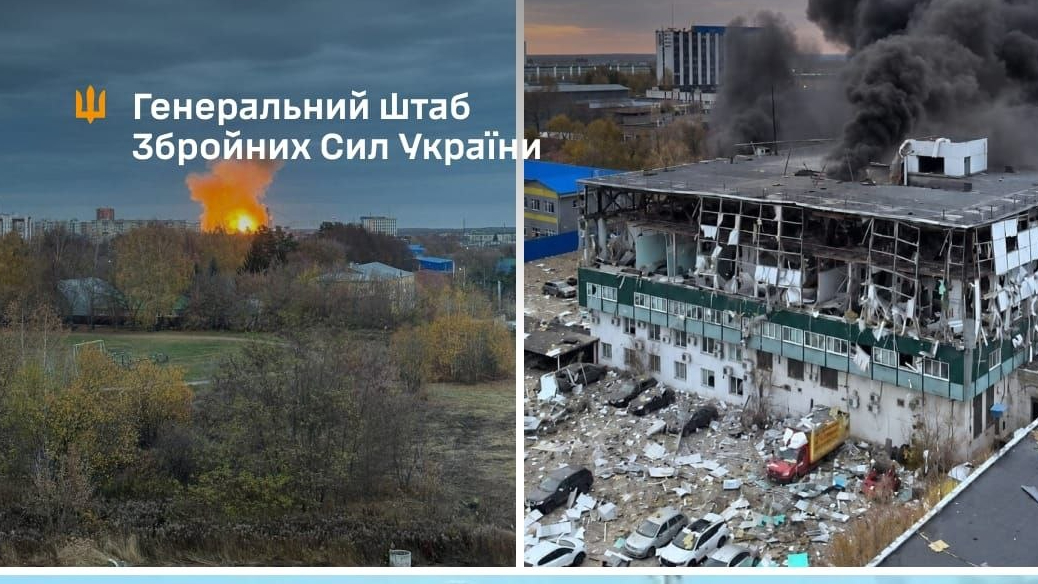
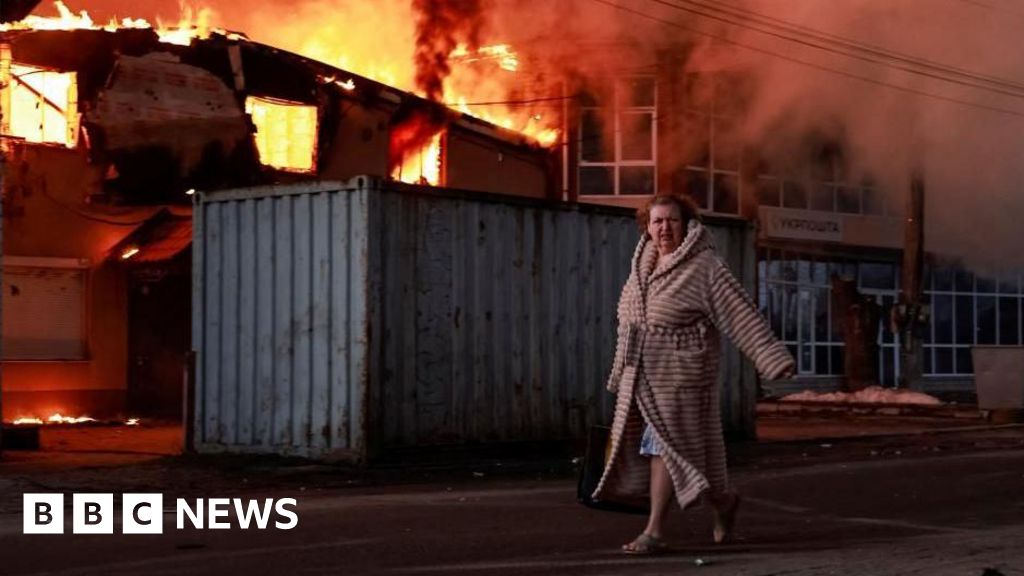
The latest Russian assaults on the Kyiv region unfolded in the early hours of March 14, 2026, targeting residential areas and infrastructure with a barrage of missiles and Iranian-supplied drones. Ukrainian emergency services reported four fatalities – including two women and a child – and at least 15 injuries, with debris from intercepted munitions scattering across suburbs. President Volodymyr Zelenskyy swiftly condemned the strikes, accusing Russia of exploiting distractions from the ongoing Iran conflict to intensify its winter offensive. "Russia is using every global crisis to hide its terror," Zelenskyy stated in a televised address, linking the attacks to broader patterns of aggression.
This strike marks a grim milestone in a week of heightened violence. Just hours after the Kyiv bombardment, Ukraine's military announced a "successful" strike on two Russian vessels transiting the Kerch Strait – a critical supply artery linking Crimea to the Russian mainland. The Kyiv Independent reported the ships were ferrying weapons and equipment, with satellite imagery confirming fires and structural damage. Ukrainian sources claim the operation, executed via long-range drones, disrupted Moscow's logistics and boosted Kyiv's morale amid dwindling Western ammunition supplies. For more on Ukraine's Strikes and the Shadow on Global Supply Chains: A Strategic Overview.
These developments occur against the backdrop of stalled peace talks in Istanbul, where Russian demands for territorial concessions have deadlocked negotiations since early March. Compounding the tension, the EU extended its sanctions package against Russian oligarchs, banks, and energy exports on the same day, aiming to curb Moscow's war funding. Al Jazeera noted five total deaths across Ukraine from related attacks, underscoring the strikes' toll.
To grasp the full gravity, one must zoom out to the historical context and escalation patterns. The Kyiv assault echoes a rapid intensification seen in mid-January 2026. On January 13, a Russian strike in Kharkiv killed two civilians, targeting a marketplace during peak hours – an incident that drew rare UN Security Council condemnation. The very next day, January 14, drone swarms hit Kryvyi Rih, Zelenskyy's hometown, damaging power grids and leaving thousands without heat in sub-zero temperatures. By January 15, Ukraine declared an energy emergency as blackouts plagued major cities. January 16 brought airstrikes on Bucha, site of 2022 atrocities, amid winter blizzards that amplified civilian suffering. Odesa faced a massive barrage on January 17, with port facilities hit, disrupting grain exports vital to global food security.
This January sequence transitioned from precision strikes to indiscriminate regional assaults, a pattern repeating now. March's timeline reinforces this: Russian drone strikes on a civilian train on March 8; attacks on Dnipro and Kharkiv on March 10, killing four in Sloviansk; Ukraine's retaliatory strikes in Donetsk on March 11 and Russian positions on March 13; and the Kerch Strait hit on March 14. February's missile barrages on Kyiv as US-Ukraine talks loomed further illustrate Moscow's preemptive escalation tactics. What began as isolated incidents has evolved into sustained winter offensives, exploiting harsh weather to strain Ukraine's defenses and test international resolve. Verified facts: Casualty figures align across BBC, France 24, Newsmax, and Straits Times reports. Unconfirmed: Exact missile types, though Iranian Shahed drones are cited by Zelenskyy.
The Players
At the epicenter: Russia, under President Vladimir Putin, motivated by consolidating occupied territories and deterring NATO expansion. Strikes aim to demoralize Ukraine before spring thaws enable ground advances.
Ukraine, led by Zelenskyy, counters with asymmetric warfare like the Kerch Strait operation, seeking to prove resilience and coax more aid. Motivations: Survival and reclaiming sovereignty.
Iran emerges as a pivotal proxy, supplying drones that powered the Kyiv attack, per Fox News. Tehran's role exploits its rift with the West, funneling tech via Russia to evade sanctions – a move Zelenskyy calls opportunistic amid Iran's regional wars. Explore the broader implications in Iran Strike's Overlooked Supply Chain Chaos: A Deep Dive into Global Economic Vulnerabilities.
European Union: Extending sanctions signals unified resolve, but internal divisions (e.g., Hungary's hesitance) reveal fractures.
United States: Strained air defenses against Iranian drones, as Fox News details, prompt Ukraine to pitch low-cost interceptors. Washington balances aid with election-year domestic pressures.
Non-NATO players are pivotal to our unique angle. Turkey, a NATO member but Russia-friendly via energy deals and Black Sea grain deals, faces mounting pressure. Erdogan's mediation in stalled talks is tested; continued strikes could force Ankara to back Ukraine more overtly, risking S-400 tensions with the US.
India, historically neutral, buys Russian oil at discounts but courts Western tech. These strikes, tied to Iranian proxies, complicate New Delhi's balancing act – PM Modi's "multi-alignment" may tilt westward if energy disruptions spike prices.
China, tacitly supportive of Russia, watches warily as proxy dynamics pull in Middle East allies.
The Stakes
Politically, the Kyiv strikes risk fracturing alliances. Non-NATO neutrals like Turkey and India, previously hedging bets, now confront binary choices: neutrality invites Russian emboldenment, alignment invites retaliation. Diplomatic maneuvers accelerate – expect Turkish calls for Black Sea demilitarization, Indian abstentions in UN votes turning to criticisms.
Economically, humanitarian crises loom: Ukraine's energy grid, already fragile post-January, faces collapse, displacing millions. Globally, proxy warfare via Iranian drones destabilizes Middle East ties; Iran's supply chain to Russia could provoke Saudi or Israeli responses. See related risks in Iraq's Oil Infrastructure Under Siege: Erbil Drone Strike and US Embassy Attack Fuel Global Energy Crisis Fears and track overall threats via the Global Risk Index.
For the West, strained US defenses expose NATO vulnerabilities – low-cost drone swarms overwhelm Patriot systems, per reports. Stakes: Eroded deterrence if unaddressed.
Russia risks isolation; stalled talks and sanctions erode its economy, pushing reliance on pariahs like North Korea. For insights into North Korea's Projectile Launch: A Deeper Look at Internal Power Dynamics Amid Escalating Tensions.
Market Impact Data
Markets convulsed in real-time response. Oil futures surged 4.2% to $92/barrel intraday, driven by Kerch Strait disruptions echoing Middle East tensions. Crypto led risk-off: Bitcoin dipped 3.1% to $58,200, Solana plunged 5.8% to $145 amid thin liquidity. S&P 500 futures fell 0.8%, energy stocks bucking the trend.
Catalyst AI Market Prediction
Powered by The World Now Catalyst Engine, our AI analyzes causal links from geo-events:
- OIL: Predicted + (high confidence) — Multiple drone/missile strikes, US airstrikes on Iranian oil hubs, and supply disruptions from Kharg Island, UAE/Saudi attacks, Iraq -60% output tighten global supply. Historical: Sept 2019 Aramco +15%. Key risk: De-escalation or sanction relief.
- BTC: Predicted - (medium confidence) — Risk-off unwinds leveraged trades on oil shocks. Historical: Jan 2020 Soleimani -8%. Key risk: Institutional dip-buying.
- SOL: Predicted - (medium confidence) — High-beta altcoin amplifies BTC selling; algorithmic deleveraging. Historical: Feb 2022 invasion -20%. Key risk: Meme rebound.
- SPX: Predicted - (medium confidence) — Inflation fears hit consumer sectors. Historical: 2019 Aramco -1%. Key risk: Energy stock rebound.
Predictions powered by The World Now Catalyst Engine. Track real-time AI predictions for 28+ assets. Visit Catalyst AI — Market Predictions for more.
Looking Ahead
Continued strikes could trigger NATO escalations: Expect US/EU announcements of $10B+ aid packages within weeks, including drone interceptors. Non-EU sanctions from India/Turkey if attacks persist, disrupting energy markets – oil could hit $100/barrel.
Ukraine adapts with enhanced drones, targeting Crimea logistics. Stalled talks prolong conflict, isolating Russia further. Key dates: March 20 EU summit; March 25 Istanbul round. Scenarios: Diplomatic breakthrough (low probability) or spring offensive (high).
Proxy dynamics intensify: Iranian drone flows strain global defenses, fracturing Middle East alliances.
This is a developing story and will be updated as more information becomes available.