
Russian Strikes Cripple Ukrainian Infrastructure, Leaving Over One Million Without Essentials in Freezing Winter
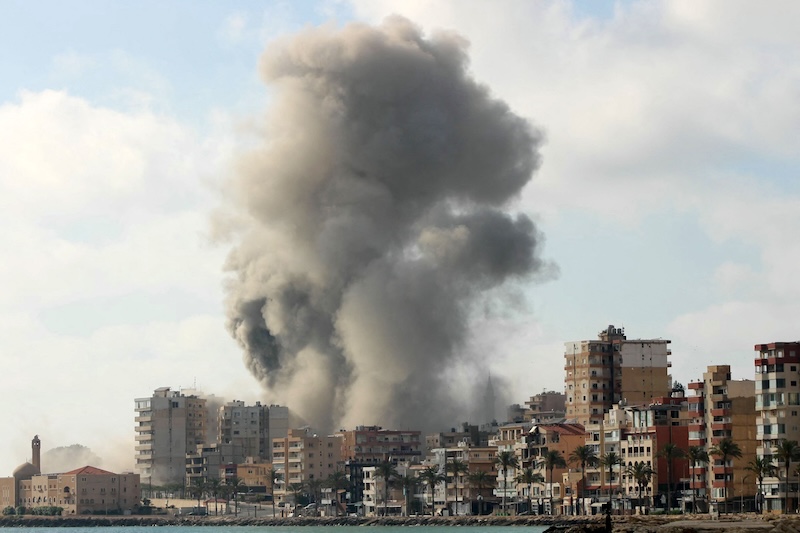
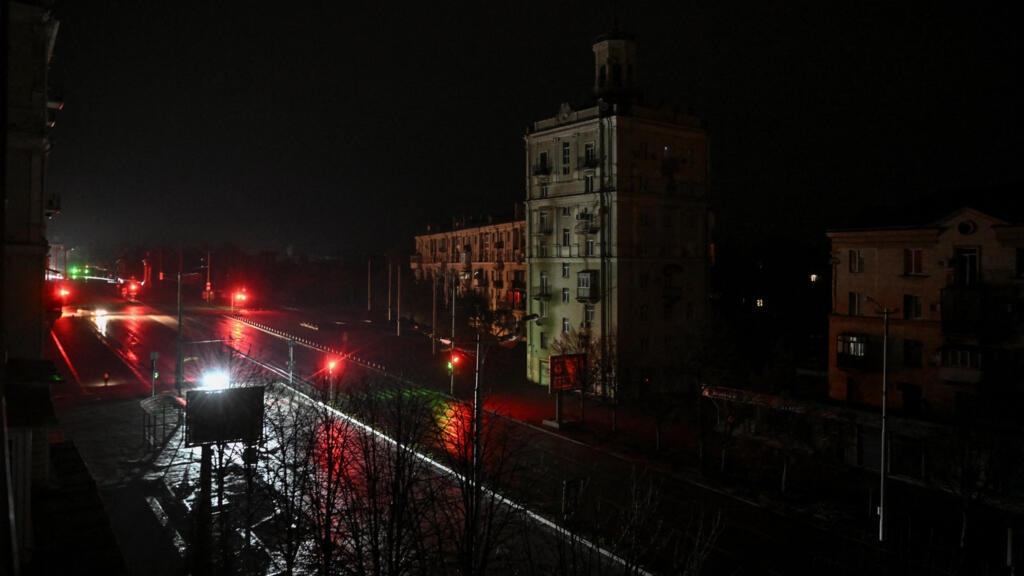
Kyiv, Ukraine – Russian missile and drone strikes on Thursday targeted energy infrastructure in eastern and southeastern Ukraine, plunging the Dnipropetrovsk and Zaporizhzhia regions into widespread blackouts and depriving more than one million residents of water and heating amid sub-zero temperatures.
The attacks, which began around 7:39 a.m. UTC, inflicted severe damage on critical facilities, according to Ukrainian officials. In the east-central Dnipropetrovsk region—home to the major city of Dnipro—strikes severed water and heating supplies for over one million people, while power outages affected thousands more in neighboring Zaporizhzhia, a frontline oblast partially occupied by Russian forces. Reports described the blackouts as near-total in affected southeastern areas, exacerbating hardships during one of Ukraine's coldest periods.
Ukrainian authorities highlighted the strikes' precision against civilian infrastructure. In Dnipropetrovsk, the assaults knocked out key utilities, leaving residents without basic services as emergency teams scrambled to respond. Zaporizhzhia, already strained by proximity to the front lines, saw additional power disruptions for thousands, compounding existing vulnerabilities from prior attacks.
The strikes align with a pattern of intensified Russian assaults on Ukraine's energy grid, which have escalated since late 2022. This winter campaign aims to disrupt power generation and distribution ahead of peak cold weather, forcing rolling blackouts across the country. Previous waves in November and December 2025 damaged over half of Ukraine's power capacity, according to the International Energy Agency, prompting widespread use of generators and international aid for repairs.
Impact on Civilian Life and Emergency Response
The immediate consequences were stark. In Dnipropetrovsk, the loss of water and heat affected densely populated urban centers, where temperatures hovered around freezing. Ukrainian officials reported that repair crews were mobilizing, but full restoration could take days amid ongoing threats. "These barbaric attacks target the most vulnerable—civilians relying on heat and water to survive the winter," regional spokespeople noted, as cited in international reports.
Zaporizhzhia, spanning industrial hubs and agricultural lands, faced compounded issues. The region hosts the Europe’s largest nuclear power plant, Zaporizhzhia NPP, under Russian control since March 2022, but the strikes hit transmission lines and substations further west. Power loss there disrupted hospitals, schools, and water treatment plants, mirroring disruptions from earlier 2025 strikes.
Across Ukraine, the energy ministry has urged conservation measures, including staggered work hours and school closures. Mobile heating points and humanitarian aid distributions were activated in affected areas, supported by European Union shipments of transformers and generators.
Broader Context of the Energy War
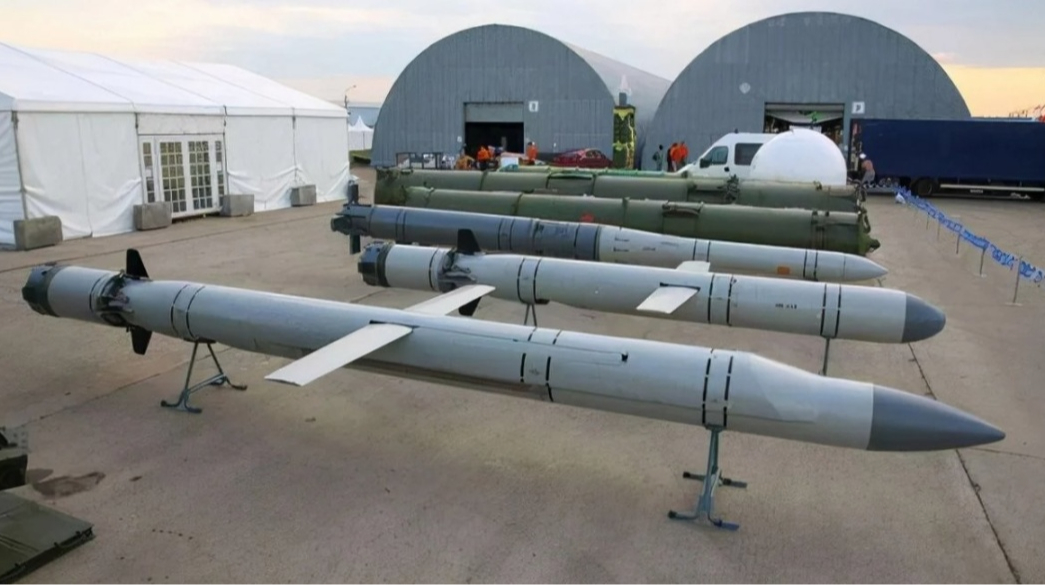
Russia's targeting of energy infrastructure dates back to October 2022, when a massive barrage destroyed 30-40% of Ukraine's power facilities in weeks. Subsequent campaigns in 2023 and 2024 were partially mitigated by Ukraine's bolstered air defenses, including U.S.-supplied Patriot systems and electronic warfare. However, 2025 saw renewed ferocity, with hypersonic missiles and Shahed drones overwhelming defenses.
Ukrainian President Volodymyr Zelenskyy has repeatedly called for enhanced Western air defenses, such as additional Patriots, to counter the threat. In recent weeks, NATO allies pledged €2.1 billion in energy support, including 100+ transformers, though delivery lags persist.
The attacks come amid stalled peace talks and Russian advances in Donetsk oblast. Moscow claims its strikes target military-linked infrastructure, but independent verifications, including from the UN, document disproportionate civilian impacts.
Outlook Amid Winter Siege
As of Thursday evening, partial power restoration efforts continued, but officials warned of prolonged outages. The assaults underscore Ukraine's fragility entering mid-winter, with forecasts predicting sustained cold snaps. International monitors, including the International Atomic Energy Agency, are tracking risks to nuclear safety in Zaporizhzhia.
Ukraine's resilience has been tested through decentralized grids and rapid repairs, restoring 80% of damaged capacity post-2024 strikes. Yet, with spring campaigns looming, sustained aid remains critical. Energy Minister German Galushchenko stated that "every missile on our grid is an attack on our survival," emphasizing the strategic stakes.
No immediate Russian comment on the specific strikes was available, but Kremlin statements have framed such operations as responses to Ukrainian incursions. The incidents highlight the grinding attrition of the 1,345-day war, now in its fourth year, with no resolution in sight.
(Word count: 612)