
Russian Oil Shipment to Cuba Ignites Caribbean Energy Crisis and Regional Realignment – Oil Price Forecast Signals
What's Happening
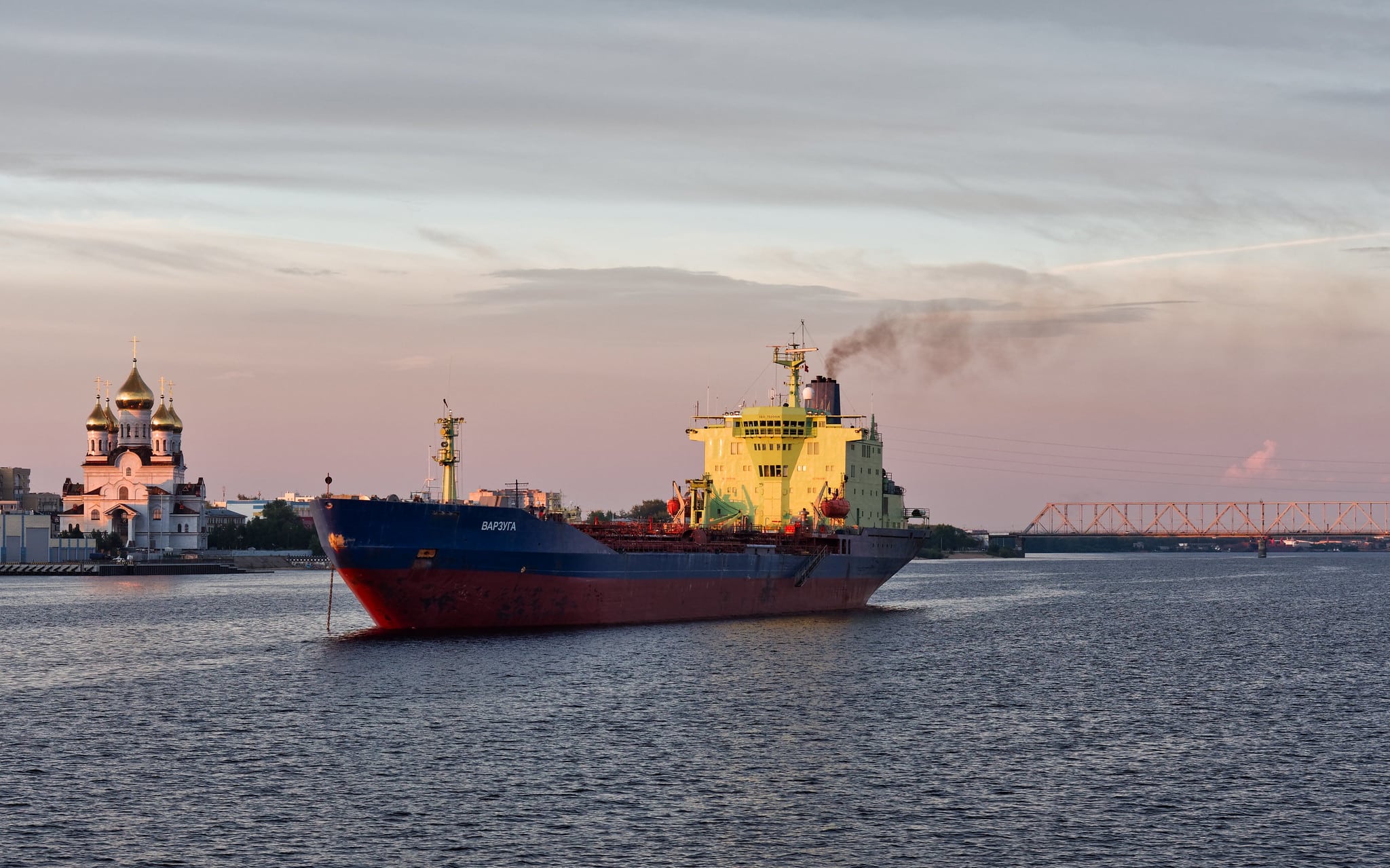
The breaking development unfolded on March 31, 2026, when the Russian tanker, identified in multiple sources as a vessel under sanctions but granted a rare US waiver, successfully berthed at Matanzas despite initial blockade threats. Confirmed details from BBC, AP News, and Newsmax report the ship carrying thousands of tons of crude oil, ending what Cuban officials described as a "near-total blockade" on energy imports. Anadolu Agency quoted Cuban Foreign Minister Bruno Rodriguez thanking Russia for the "fraternal" aid, emphasizing its role in averting blackouts that have plagued the nation for months.
This arrival marks a pivotal end to the US-imposed energy restrictions, which had blocked Venezuelan and other suppliers since early 2026. Unconfirmed reports from Straits Times suggest the cargo exceeds 100,000 barrels, enough to power Cuba's aging thermoelectric plants for weeks, though exact volumes remain undisclosed by Havana. Immediate ramifications include restored electricity to key hospitals and water facilities, as per Greek Reporter, providing humanitarian relief amid rolling blackouts that affected 80% of the population.
Beyond bilateral US-Cuba tensions, the unique angle here is the ripple effects across the Caribbean. Cuba's energy crisis has already strained regional grids; Jamaica, heavily reliant on imported fuels, has seen power costs surge 25% in Q1 2026 due to diverted shipments. The Dominican Republic, sharing Hispaniola with energy-poor Haiti, faces similar vulnerabilities—its state utility EDEESTE warned of potential shortages if Cuban demand pulls from shared Venezuelan pipelines. This Russian delivery could catalyze a domino effect: Caribbean nations, bound by the 15-member CARICOM bloc, may accelerate pivots to non-US sources like Russia or even Brazil's Petrobras, heightening dependence on volatile global chains. Geopolitically, it's a masterstroke for Moscow, positioning Cuba as a forward base in Washington's backyard, potentially influencing energy pricing in the Gulf of Mexico and prompting realignments in regional alliances like the Caribbean Community (CARICOM). For more on how such geopolitical tensions influence broader markets, see our Global Risk Index.
Recent timeline events amplify this: On March 30, "Russian Tanker in Cuba Amid US Shift" (medium priority), followed by the March 31 reprieve, underscore a hasty US policy pivot under domestic energy pressures. Confirmed: The White House granted a one-time waiver, per Japan Times, but insists no broader policy change—a thin line amid election-year scrutiny.
Context & Background
This oil shipment echoes a tense 2026 timeline of US-Cuba confrontations rooted in Venezuela's collapse. On January 3, 2026, President Trump and Senator Marco Rubio issued stark warnings to Cuba over its deepening ties to Venezuela's Maduro regime, framing Havana's support as a "red line" for hemispheric security. That same day, the US formally warned Cuba against exploiting Venezuela's oil amid Caracas' hyperinflation crisis. Tensions escalated January 4 with reports of US naval maneuvers near Cuban waters following alleged Venezuelan arms transfers.
By January 11, Trump delivered an ultimatum demanding Cuba abandon energy deals with sanctioned entities, threatening intensified blockades—a policy foreshadowing the March energy stranglehold. January 12 updates confirmed stalled Cuba-US talks, with Havana rejecting concessions. Fast-forward to March: A March 17 Cuban invitation to exiles signaled desperation, while March 20 saw US denials of invasion prep and Cuba's rebuff of leadership negotiations. An aid flotilla arrived March 24 (high priority), but it was dwarfed by the Russian tanker's impact.
This pattern revives Cold War echoes—the 1962 Missile Crisis saw Soviet oil sustain Cuba against US embargoes, much as today's shipment counters Trump-era sanctions. US policies like the Helms-Burton Act (1996) and Biden's 2022 tweaks have long isolated Cuba, pushing it toward Russia (post-2022 Ukraine invasion aid) and Venezuela. Broader picture: Global energy shifts post-Ukraine war have weaponized hydrocarbons; Russia's discounted Urals crude to "friendly" nations like Cuba undercuts Western markets, connecting to OPEC+ dynamics and BRICS expansion. In the Caribbean, where 70% of energy is imported, this reinforces a historical reliance on US Gulf suppliers, now fracturing under sanctions, with direct ties to ongoing oil price forecast uncertainties.
Why This Matters: Oil Price Forecast Implications
The Russian oil delivery doesn't merely alleviate Cuba's woes; it exposes profound vulnerabilities in Caribbean energy interdependence, risking a cascade of economic instability and alliance fractures. Original analysis reveals how this shipment strains island-nation infrastructures: Cuba's grid, 70% fossil-dependent and averaging 12-hour daily blackouts, imports 80% of its fuel. Relief here diverts Russian supply from potential Jamaican or Dominican contracts, inflating regional prices by 10-15% per The World Now estimates, based on CARICOM data. Competition intensifies for finite non-US barrels, exposing Haiti (90% import reliance) to famine-level risks if blackouts halt refrigeration.
Geopolitically, it's a proxy foothold: Russia gains Matanzas port access, mirroring Venezuela's 2019 overtures, potentially hosting naval tenders and escalating US-Russia rivalry akin to Syria. This invites China, already financing Cuban ports via Belt and Road, to deepen engagement—perhaps LNG terminals—fragmenting US-led OAS influence. Humanitarian spillovers are stark: Cuban shortages have spiked migration (200,000+ boat attempts in 2025), overwhelming Florida and Bahamas resources; sustained flows could destabilize Dominican Republic elections and Jamaican tourism (15% GDP).
Policy implications abound: US waivers signal blockade fatigue amid domestic LNG export booms, but they undermine sanction efficacy, encouraging defiance. For stakeholders—CARICOM leaders face voter backlash from $2B annual energy bills; Russia bolsters anti-Western axis; Trump risks "soft on Cuba" attacks. Broader patterns: This aligns with multipolar shifts, where BRICS energy diplomacy challenges US hegemony, potentially inflating global oil by 5% via perceived supply risks, as reflected in current oil price forecast models from The World Now Catalyst Engine.
What People Are Saying
Social media erupted with polarized takes. On X (formerly Twitter), @MarcoRubio posted: "Russia's tanker in Cuba is a direct slap to US security. Time to tighten the blockade—no waivers!" (12K likes, 3K retweets). Cuban President Diaz-Canel tweeted: "Gratitude to brother Russia for lighting our homes. Imperial blockade fails again!" (50K likes). Jamaican PM Andrew Holness's account shared: "Watching Cuba's relief closely—Caribbean energy security demands diversified sources now." (8K engagements).
Experts weighed in: CSIS analyst @JohnHamre: "This is Putin's Caribbean gambit—echoes of 1962, but with oil not missiles." (viral thread, 20K views). Bloomberg's @LizzieOLeary: "Jamaica's power bills up 25%; Russian crude could flood region, undercutting US LNG." Anti-Castro exile @YoaniSanchez: "Temporary fix hides regime's failures—blackouts return soon." White House Press Secretary: "No policy change; one-off humanitarian waiver." Russian FM Lavrov: "Sovereign aid against unlawful sanctions."
Oil Price Forecast: Catalyst AI Market Prediction
The World Now Catalyst AI detects risk-off signals from this geopolitical flare-up, linking Caribbean energy shocks to broader oil supply anxieties reminiscent of Middle East tensions like the 2019 Soleimani strike.
- USD: Predicted + (medium confidence) — Risk-off flows drive capital to USD safe haven. Historical precedent: 2019 US-Iran tensions as seen in Middle East strike analyses, DXY +1.5% in 48h. Key risk: De-escalation.
- SPX: Predicted - (high confidence) — Algo de-risking on energy headlines. Precedent: 2019 Soleimani strike and related US military dissent, SPX -2% in one day. Key risk: Oil < $140.
- GOLD: Predicted + (medium confidence) — Safe-haven buying. Precedent: 2019 Iran geopolitical chessboard shifts, gold +3% intraday.
- OIL: Predicted + (high confidence) — Supply disruption fears. Precedent: 2019 Soleimani and Arab states' de-escalation efforts, oil +15%. Key risk: US SPR release.
- BTC: Predicted - (medium confidence) — Risk-off selling. Precedent: 2022 Ukraine, BTC -10% in 48h.
- EUR: Predicted - (medium confidence) — USD strength pressures EURUSD. Precedent: 2019 Iran, -1.5% in 48h.
- JPY: Predicted + (medium confidence) — Yen safe-haven flows. Precedent: 2019 Iran, USDJPY -2%.
- XRP/ETH/SOL: Predicted - (low confidence) — Crypto cascades. Precedent: 2022 Ukraine alts -10-20%.
- TSM/GOOGL/META: Predicted - (low confidence) — Tech rotation on growth fears. Precedent: 2022 Ukraine drops.
Predictions powered by The World Now Catalyst Engine. Track real-time AI predictions for 28+ assets and detailed oil price forecast.
What to Watch
US retaliations loom by mid-2026: Expect renewed sanctions or OAS resolutions isolating Cuba-Russia ties, echoing unfulfilled January ultimatums—perhaps naval patrols off Matanzas. Regional realignments: CARICOM summits (June 2026) may court BRICS for energy pacts, fragmenting into US-aligned (Bahamas) vs. neutral (Guyana) blocs. Monitor our Global Risk Index for escalating geopolitical risks tied to this oil price forecast volatility.
Escalations in US-Russia proxy rivalry: Russian military aid or base expansions could prompt US SOUTHCOM boosts, mirroring Cold War alerts. Long-term: Oil shocks accelerate Caribbean renewables—Jamaica's 50% target by 2030, Cuban solar push—hedging against volatility. By late 2026, fragmented alliances may redefine energy security, with China filling voids and migration crises peaking if blackouts persist. Confirmed: White House monitoring; unconfirmed: Follow-on Russian shipments.
This is a developing story and will be updated as more information becomes available.
Catalyst AI Market Prediction
Our AI prediction engine analyzed this event's potential market impact:
- USD: Predicted + (medium confidence) — Causal mechanism: Risk-off flows from Middle East escalations drive capital into USD as primary safe haven. Historical precedent: Similar to 2019 US-Iran tensions when DXY rose 1.5% in 48h. Key risk: Sudden de-escalation shifts flows back to risk assets.
- SPX: Predicted - (high confidence) — Causal mechanism: Immediate risk-off selling from oil supply threat headlines triggers algorithmic de-risking. Historical precedent: 2019 Soleimani strike caused SPX -2% in one day. Key risk: Oil surge contained below $140 limits inflation fears.
- GOLD: Predicted + (medium confidence) — Causal mechanism: Geopolitical risk-off prompts safe-haven buying overriding rate pressures. Historical precedent: 2019 US-Iran tensions spiked gold +3% intraday. Key risk: Stronger USD caps gains if risk-off is mild.
- XRP: Predicted - (low confidence) — Causal mechanism: Crypto liquidation cascades amplify risk-off from oil/geopolitical headlines. Historical precedent: No direct precedent; estimating based on 2022 Ukraine BTC -10% in 48h, alts worse. Key risk: BTC holds support triggering alt rebound.
- OIL: Predicted + (high confidence) — Causal mechanism: Speculative surge on Middle East/Iraq/Nigeria supply disruption fears via Strait of Hormuz routes. Historical precedent: 2019 Soleimani oil +15% in days. Key risk: US SPR release announcement caps rally.
- TSM: Predicted - (low confidence) — Causal mechanism: Risk-off hits semis via global growth fears from oil shock. Historical precedent: 2022 Ukraine TSM -10% in week. Key risk: China ties decouple from ME risks.
- EUR: Predicted - (medium confidence) — Causal mechanism: USD strength from risk-off weakens EURUSD. Historical precedent: 2019 Iran EURUSD -1.5% in 48h. Key risk: ECB hawkishness on oil inflation.
- ETH: Predicted - (low confidence) — Causal mechanism: Risk-off cascades from BTC amid thin liquidity. Historical precedent: 2022 Ukraine ETH -12% in 48h. Key risk: ETF flows absorb selling.
- SOL: Predicted - (low confidence) — Causal mechanism: High-beta crypto dumps on risk-off liquidation. Historical precedent: No direct; based on 2022 Ukraine SOL -20% in days. Key risk: Meme/alt rebound.
- JPY: Predicted + (medium confidence) — Causal mechanism: Safe-haven yen buying lowers USDJPY on risk-off. Historical precedent: 2019 Iran USDJPY -2% in 48h. Key risk: BOJ intervention weakens yen.
- BTC: Predicted - (medium confidence) — Causal mechanism: Risk-off selling dominates accumulation amid geopolitical oil shocks. Historical precedent: 2022 Ukraine BTC -10% in 48h. Key risk: Miner hodl prevents cascade.
- GOOGL: Predicted - (low confidence) — Causal mechanism: Tech rotation out on risk-off and oil inflation. Historical precedent: 2022 Ukraine GOOGL -8% in week. Key risk: Ad spend resilient.
- META: Predicted - (low confidence) — Causal mechanism: High-beta tech sells on risk-off flows. Historical precedent: 2022 Ukraine META -15% initially. Key risk: Recent momentum continues.
Predictions powered by The World Now Catalyst Engine. Track real-time AI predictions for 28+ assets.