Russian drone injures two in strike on Romania apartment block
A Russian drone struck an apartment building in NATO-member Romania early Friday, wounding two people in the latest spillover from the war in Ukraine. This strike romania has drawn immediate diplomatic and security responses as the incident represents the first time a drone has hit a densely populated area in the country and caused injuries during the conflict.
Drone strike details
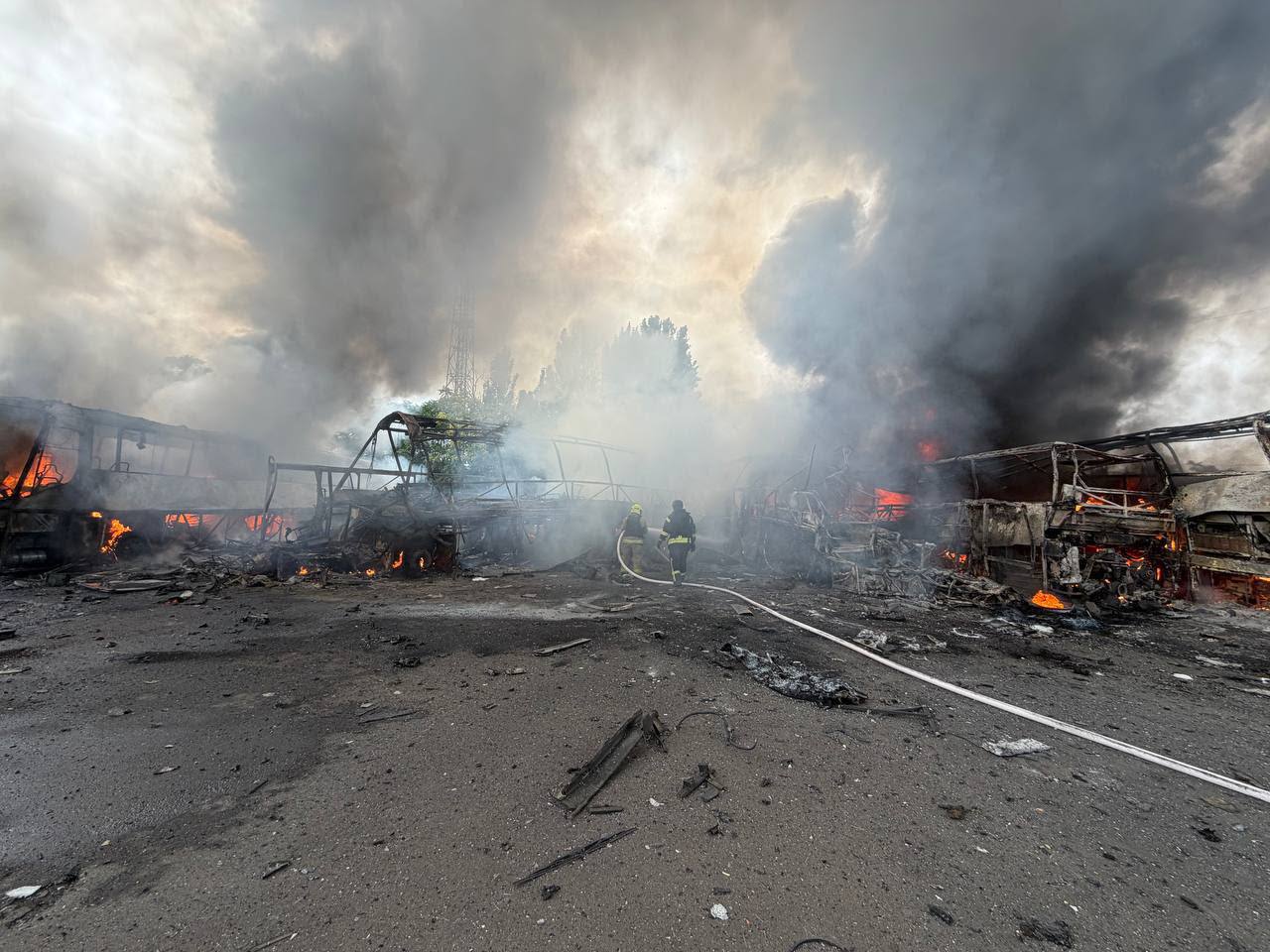
The drone originated from Russian strikes on Ukraine and crashed in the city of Galați near the border, according to multiple reports. [2] Footage from the scene shows damage to a residential block, confirming the impact on civilian infrastructure in southeastern Romania. [2] The projectile injured two individuals, marking a direct physical consequence for residents in the area. [1] This event underscores the exposure faced by NATO-member states bordering Ukraine, including Romania, Latvia, Estonia, and Poland, to incursions by drones from the warring sides. [1] The crash occurred during an overnight Russian attack on Ukraine, with the device crossing into Romanian territory before striking the apartment building. [4] Romanian authorities have documented the physical effects, including structural damage visible in initial images released from the site. The incident highlights how ongoing operations in Ukraine can extend beyond borders, affecting civilian zones in neighboring countries without prior indication of such a trajectory.
Romanian government actions
Romanian authorities responded by summoning the Russian ambassador to inform him of diplomatic measures the country intends to pursue. [3] Foreign Minister Oana Țoiu announced the summons following the strike on the residential building in Galați. [3] In parallel, the Romanian president convened the National Security Council to address the implications of the drone incident. [3] Officials cited a lack of time and restrictions under which the military operates as the reasons the drone was not intercepted before impact. [5] These steps reflect a coordinated effort to manage both immediate security concerns and longer-term diplomatic channels. The convening of the National Security Council allows for assessment of the event within Romania's broader defense posture, while the ambassadorial summons signals formal communication of expected next actions at the state level. [3] Such measures align with standard protocols for addressing territorial violations during the ongoing conflict in Ukraine.
NATO and EU reaction
NATO chief Mark Rutte expressed absolute solidarity with Romania after the drone crash. [4] He assured Romania’s president of the alliance’s full support while condemning the incident. [4] The event prompted strong condemnation from the Atlantic alliance and the European Union, emphasizing the risks to member states near the conflict zone. [1] Romania’s status as both a NATO and EU member amplifies the collective response, with alliance leaders underscoring the need to address spillover effects from Russian operations in Ukraine. [1] Rutte’s statement came shortly after the injuries were confirmed, reinforcing unified backing for the affected country. [4] This reaction fits within broader concerns about incursions affecting NATO territory, as similar exposures have been noted in other bordering states. The expressions of solidarity aim to deter further incidents while supporting Romania’s defensive capabilities in the region.
Air defense context
Romanian authorities explained that insufficient time and operating restrictions prevented the military from shooting down the incoming drone. [5] These factors limited interception options during the overnight period when the device crossed from strikes on Ukraine into Galați. [2] The country has indicated interest in faster NATO anti-drone support to strengthen its air defenses following the event. [2] Such limitations arise from the rapid nature of drone movements and established rules governing military engagements near borders. [5] The absence of an intercept in this case illustrates challenges in real-time response to objects originating from active conflict zones. Romanian defense representatives have detailed these constraints publicly, noting they directly influenced the outcome in Galați. [5] Enhanced coordination with NATO partners is now being sought to address these gaps in future scenarios.
What to watch next: Romania continues to seek additional NATO anti-drone support for its air defenses amid ongoing Russian strikes on Ukraine that have previously led to cross-border incidents.