
Russia Launches Mass Strikes on Ukraine, Deploying Rare Oreshnik Hypersonic Missile Amid Escalating Air Campaign
Kyiv, Ukraine – Russia intensified its aerial assaults on Ukraine on January 8, 2026, targeting major cities including Kyiv and Lviv with a mass attack that triggered widespread blackouts and prompted evacuation calls from local officials. The strikes, which included the unprecedented use of the Oreshnik intermediate-range ballistic missile, have drawn sharp international condemnation and prompted an emergency UN Security Council meeting.
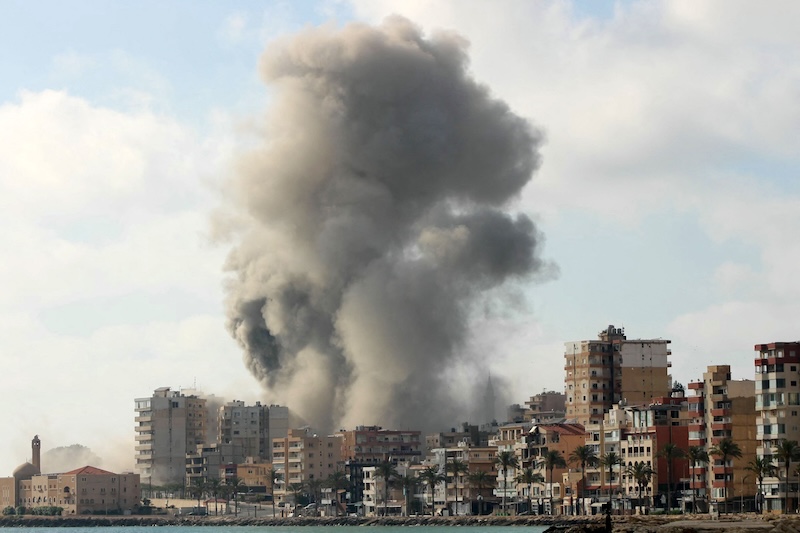
The attacks began early on January 8, with reports of strikes hitting southeastern regions such as Dnipropetrovsk and Zaporizhzhia, where officials described "almost total power loss" due to damage to energy infrastructure. A subsequent mass barrage later that day targeted Kyiv and western Lviv, exacerbating the crisis. In Kyiv, power outages plunged the capital into darkness, leading Mayor Vitali Klitschko to urge residents to leave the city temporarily for safety, according to local reports.
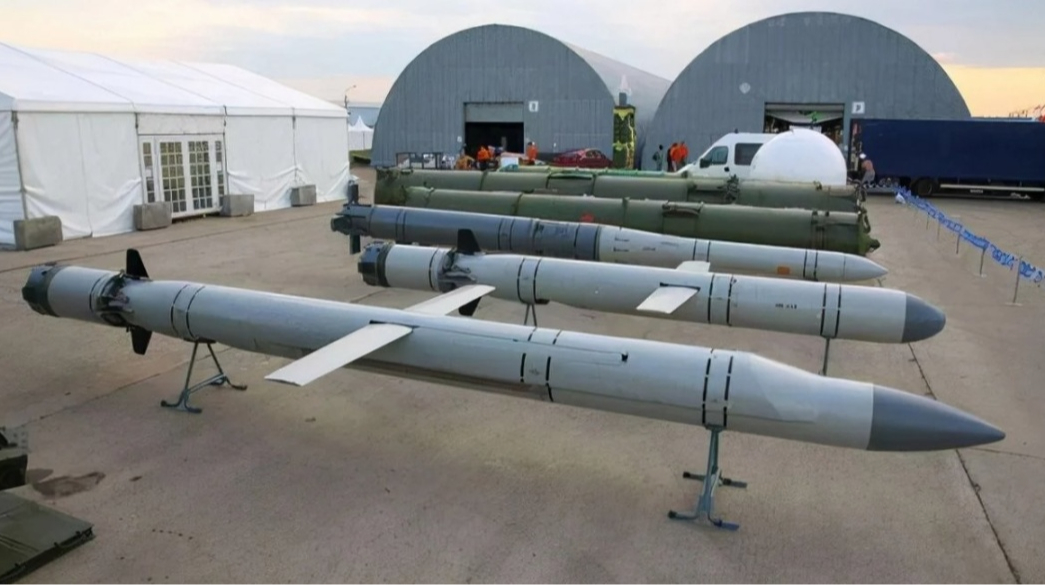
Russian forces employed the Oreshnik missile, a rare hypersonic weapon capable of speeds up to 13,600 km/h (approximately Mach 11), in what analysts describe as a deliberate escalation. The missile struck a target near the NATO border, signaling a potential warning to Western allies supporting Ukraine. First tested publicly in late 2024, the Oreshnik is an intermediate-range ballistic missile (IRBM) designed to evade modern air defenses with its maneuverable warhead and high velocity, making interception extremely challenging.
International Reaction and UN Response
The strikes on civilian infrastructure prompted immediate global outcry. UN Secretary-General Antonio Guterres condemned the attacks, stating they targeted Ukraine's civilian energy grid in violation of international humanitarian law. In response, the UN Security Council is scheduled to convene on Monday, January 12, 2026, to address the escalation.
European Union officials issued stark warnings, framing the Oreshnik deployment as "a warning to Europe and the United States." The use of such advanced weaponry near NATO's eastern flank has heightened fears of broader conflict, with EU diplomats calling for unified defensive measures.
Context of Ongoing Conflict
These strikes occur against the backdrop of Russia's full-scale invasion of Ukraine, launched in February 2022, which has resulted in hundreds of thousands of military casualties and displaced millions. Energy infrastructure has been a repeated target, with Russia aiming to cripple Ukraine's power grid ahead of winter. Previous campaigns in 2022-2023 left up to 50% of Ukraine's energy capacity destroyed, forcing reliance on Western aid for repairs and generation.
The Oreshnik's deployment marks a tactical shift. Previously used sparingly due to its experimental status and high cost, the missile's employment now coincides with stalled Russian ground advances in eastern Ukraine and increased Ukrainian incursions into Russian territory, such as the Kursk offensive in August 2024. Russian President Vladimir Putin has framed such weapons as a response to NATO's expansion and arms supplies to Kyiv, including long-range ATACMS and Storm Shadow missiles.
Ukrainian air defenses, bolstered by U.S.-provided Patriot systems and European contributions, intercepted many incoming threats during the January 8 barrage, but the sheer volume overwhelmed parts of the network. Power restoration efforts are underway, with Ukraine's energy minister reporting partial recoveries in affected oblasts, though rolling blackouts persist nationwide.
Casualties and Humanitarian Impact
Exact casualty figures remain unconfirmed, but Ukrainian officials report civilian deaths and injuries from debris in Kyiv and Lviv. The blackouts have disrupted hospitals, water supplies, and heating in freezing conditions, amplifying humanitarian needs. The International Red Cross has called for safe corridors to deliver aid.
Outlook
As the UN Security Council prepares to deliberate, Western leaders face pressure to bolster Ukraine's defenses against hypersonic threats. NATO has reaffirmed its Article 5 commitments but stopped short of direct intervention. Ukraine vows retaliation, while Russia signals further strikes if Western aid continues. The January 8 events underscore the war's evolution toward high-tech attrition, with energy resilience and missile defense at the forefront.
(Word count: 612)