Russia Escalates Attacks on Ukraine with Mass Strikes on Kyiv and Lviv, Shutting Down Heat and Power in Freezing Winter

Latest from X
Russia Escalates Attacks on Ukraine with Mass Strikes on Kyiv and Lviv, Shutting Down Heat and Power in Freezing Winter
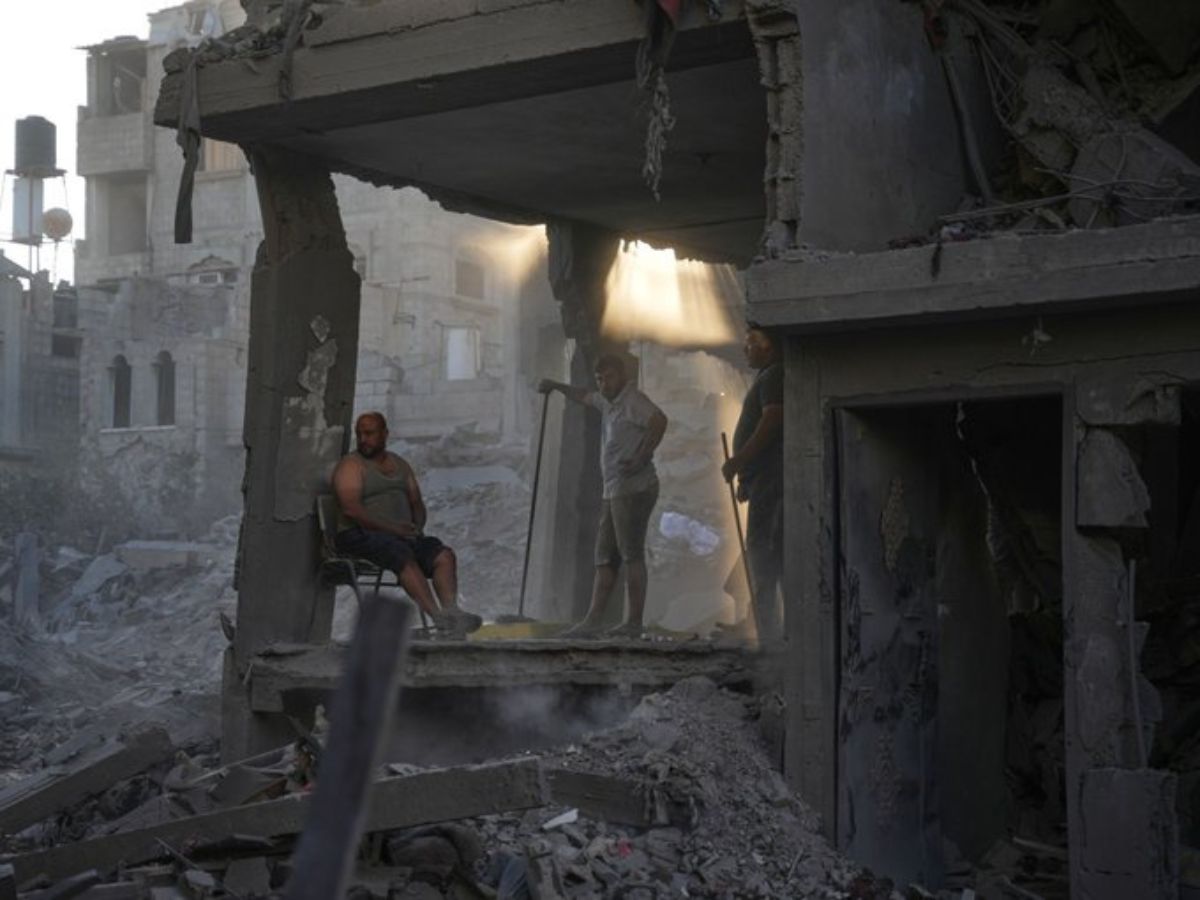
Kyiv, Ukraine – Russia launched a massive combined missile and drone attack on Ukrainian cities including Kyiv and Lviv starting late on January 8, 2026, targeting critical energy infrastructure and leaving thousands without heating and electricity amid sub-zero winter temperatures. The strikes, described as a high-severity escalation, have plunged homes into piercing cold, exacerbating civilian hardships in the ongoing conflict.
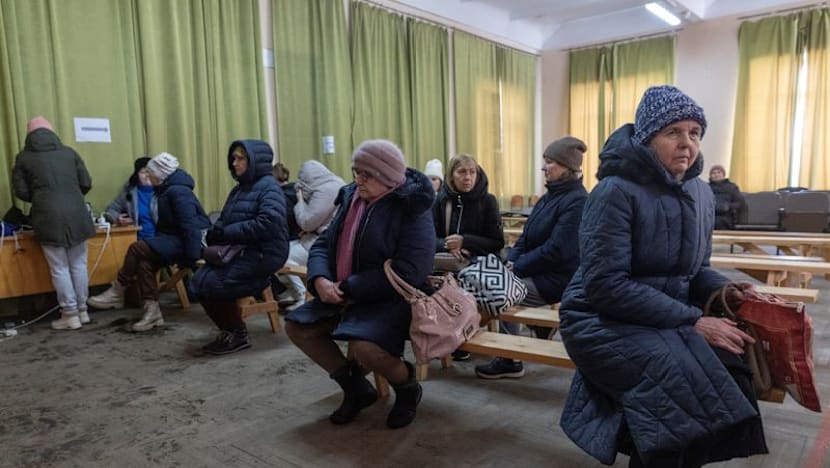
The assault began around 23:09 GMT on Thursday, January 8, with Russian forces focusing on thermal and electric power plants that supply heat to residential areas. In Kyiv, the capital, the strikes knocked out heating systems across significant portions of the city, with reports indicating that up to half of homes were left without power and warmth following the barrage. A Channel News Asia report detailed how the frigid winter air is now "piercing Kyiv homes" after the disruptions, highlighting the vulnerability of residents to the harsh weather. Temperatures have plummeted below freezing, turning the lack of heat into an immediate humanitarian crisis.
Posts found on X echoed these accounts, describing overnight attacks on energy facilities in both Kyiv and Lviv, with claims that the strikes aimed to deprive millions of heating during severe cold snaps. Users noted that previous weekend assaults had already affected a third of Kyiv's homes, and this latest wave represented a strategic intensification. Ukrainian officials have reportedly urged residents to seek alternative housing, underscoring the scale of the outages.
Details of the Assault and Immediate Impact
The Russian military employed a mix of missiles and strike drones in what has been characterized as a deliberate campaign against Ukraine's power grid. Energy infrastructure has long been a focal point for such operations, as disruptions compound the effects of winter weather. In Kyiv, water supplies have also been affected in some areas, compounding the misery for civilians already enduring prolonged blackouts. Lviv, a western Ukrainian hub farther from the front lines, was similarly hit, with reports of targeted strikes on facilities that could leave large populations without essential services.
These attacks align with a pattern observed in posts on X, where observers described Russia's approach as turning winter into a weapon by rendering cities "unlivable" through systematic degradation of heating and power. While X posts provide real-time sentiment and unverified claims of widespread impacts, official confirmations from Ukrainian sources point to significant damage to boiler rooms and power plants, reminiscent of earlier incidents that left thousands without hot water and heat.
No immediate casualty figures from the January 8 strikes were detailed in available reports, but historical precedents from similar assaults indicate risks to civilians, including fatalities from exposure or direct hits. Emergency services in affected cities have been mobilized, with air raid alerts sounding through the night as drones and missiles targeted multiple sites.
Historical Context and Strategic Background
Russia's targeting of Ukraine's energy sector dates back to the full-scale invasion launched in February 2022. In the winters of 2022-2023 and 2023-2024, Moscow conducted extensive campaigns against power plants, substations, and heating facilities, causing nationwide blackouts and forcing millions to endure extreme cold. Ukraine's grid, already strained by war damage, has been partially rebuilt with Western aid, including advanced air defenses and repairs to thermal plants. However, vulnerabilities persist, particularly as demand for heating surges in January.
The current escalation comes amid stalled frontline advances and ongoing diplomatic stalemates. Kyiv has accused Russia of violating implicit moratoriums on energy strikes during winter, a claim echoed in social media discussions. From Moscow's perspective, such operations are framed as strikes on military-industrial targets supporting Ukraine's war effort. International observers, including the International Energy Agency, have warned that repeated attacks could push Ukraine's energy capacity to collapse, with potential ripple effects on regional stability.
Ukraine's response has typically involved bolstering air defenses with systems like Patriot missiles supplied by NATO allies, alongside rapid repair teams working around the clock. Recent months have seen increased drone interceptions, but the sheer volume of the January 8 assault overwhelmed some protections.
Humanitarian Toll and Outlook
The strikes' timing in peak winter amplifies their impact, with temperatures forecasted to remain low across Ukraine. Vulnerable groups—elderly residents, families with children, and those in high-rise apartments—are hit hardest, as alternative heating options like generators are scarce amid fuel shortages and rolling blackouts. Humanitarian organizations, including the Red Cross, have ramped up aid distributions of blankets, fuel, and portable heaters in Kyiv and other cities.
Looking ahead, Ukrainian authorities face a race against the cold to restore services, while bracing for potential follow-up attacks. Posts on X suggest public fears of a broader "ice age" strategy by Russia to force capitulation through unlivable conditions. Western leaders have condemned the strikes, with pledges for more air defense support, but no immediate new sanctions were announced as of January 10.
As the conflict enters its fifth year, these energy assaults underscore the war's grinding toll on civilian infrastructure. Restoration efforts will be critical, but sustained Russian pressure could deepen the crisis, testing Ukraine's resilience once more in the face of winter's bite.
(Word count: 712)
Track this story live
Live World Map
Monitor global events in real time with a live activity map and hotspot summaries.
Global Conflict Map
Follow active conflict zones, strike activity, and emerging geopolitical hotspots.
Current Wars
Track all active wars and armed conflicts happening in the world right now.
Iran War
Track the Iran war in real time with proxy network monitoring, Strait of Hormuz risk, and market impact.
Original Sources
- •Winter pierces Kyiv homes after Russia knocks out heat— Channel News Asia
Editorial process: This article was synthesized from the original sources cited above using The World Now's AI editorial system, with byline accountability from our editorial team. We grade every story for source grounding, factual coherence, and on-topic match before publication. Read more about our editorial standards and contributors. Spot something inaccurate? Let us know.
Last updated: March 7, 2026