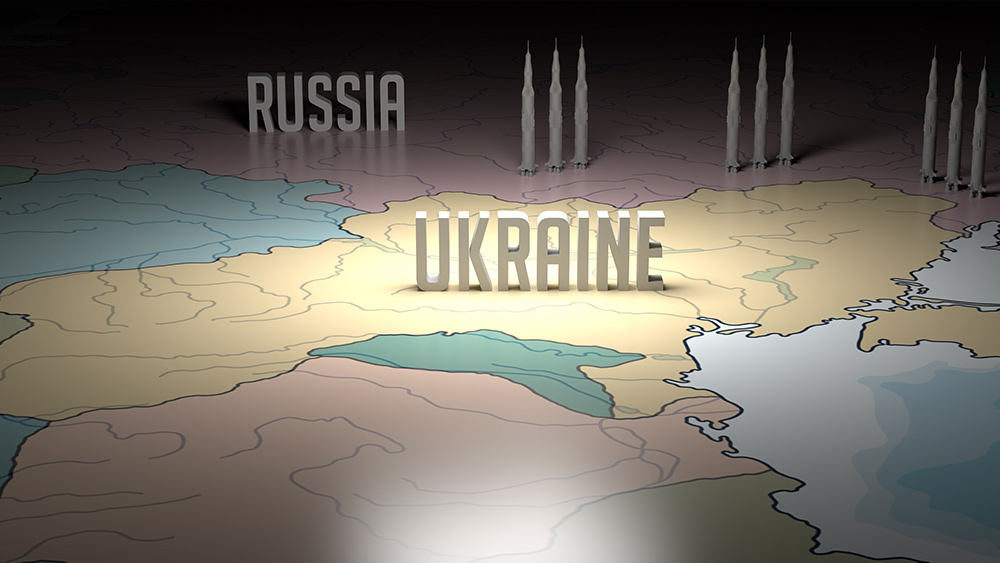
Russia Alleges Ukrainian Drone Attack Targeted Putin’s Residence Amid Escalating Tensions

Latest from X
Russia Alleges Ukrainian Drone Attack Targeted Putin’s Residence Amid Escalating Tensions
Moscow, January 4, 2026 – Russia has accused Ukraine of launching a significant drone attack targeting one of President Vladimir Putin’s residences, an allegation that has intensified the already fraught relations between the two nations. The reported incident, which Russia claims occurred on December 29, 2025, near Putin’s Valdai residence in northwestern Russia, has been met with swift denial from Kyiv, raising questions about the veracity of the claims and the potential for further escalation in the ongoing conflict.
According to Russian officials, including Foreign Minister Sergei Lavrov, a large-scale drone assault was directed at the Valdai residence, a known retreat for Putin. The Russian Defense Ministry further stated that it has extracted data from one of the downed drones, allegedly revealing that the residence was the intended target. On January 1, 2026, a Russian military chief reportedly handed over what was described as evidence—part of a Ukrainian drone—to a U.S. military attaché, as reported by Reuters. Moscow has framed the incident as a deliberate act of aggression by Ukraine, with some officials issuing personal threats against Ukrainian President Volodymyr Zelenskyy.
Ukraine, however, has categorically denied any involvement in the alleged attack. President Zelenskyy dismissed the accusations as “typical Russian lies,” suggesting that the claims are part of a broader strategy to undermine peace negotiations or justify retaliatory actions. This denial aligns with Ukraine’s consistent stance of rejecting responsibility for attacks on Russian soil that it has not explicitly acknowledged.
Details of the Alleged Attack
Russian authorities have provided limited concrete evidence to substantiate their claims, though they assert that the drone was shot down near the Valdai residence. The Russian Defense Ministry has emphasized the severity of the incident, labeling it a targeted strike on a high-profile location. Reports from The Moscow Times indicate that the alleged attack took place amid heightened military activity in the region, though specific details about damage or casualties remain unclear.
The timing of the reported drone strike, on December 29, 2025, followed by an additional reported incident on December 31, 2025, as noted in recent updates, suggests a potential pattern of escalated drone warfare. While the December 31 event’s specifics are less detailed, Russian sources have described it as part of ongoing Ukrainian aggression, contributing to a narrative of sustained attacks.
Background of Drone Warfare in the Russia-Ukraine Conflict
Drone attacks have become a hallmark of the ongoing conflict between Russia and Ukraine, which intensified following Russia’s annexation of Crimea in 2014 and the full-scale invasion of Ukraine in February 2022. Both sides have increasingly relied on unmanned aerial vehicles (UAVs) for reconnaissance, strikes, and psychological warfare. Ukraine has previously conducted drone operations deep inside Russian territory, targeting military infrastructure and symbolically significant sites, though it often refrains from claiming responsibility for specific actions.
Russia, in turn, has accused Ukraine of numerous drone attacks on its soil, including strikes on Moscow and other key areas. The alleged targeting of Putin’s residence, if confirmed, would mark a significant escalation, given the personal nature of the target. However, without independent verification, the incident remains a point of contention.
International Reactions and Implications
The international community has yet to fully respond to the latest allegations, though Russia’s decision to involve the United States by presenting supposed evidence suggests an attempt to garner broader attention or support. Posts on X from various accounts, including those claiming to cite Russian Defense Ministry statements, have circulated claims about the drone’s flight data targeting Putin’s residence. However, such information remains unverified and should be treated with caution.
The lack of concrete proof and Ukraine’s firm denial complicate the narrative, potentially fueling disinformation on both sides. Analysts suggest that Russia may use the incident as justification for intensified military actions against Ukraine, while Kyiv’s rejection could be aimed at maintaining diplomatic leverage in any future negotiations.
Outlook
As tensions continue to mount, the alleged drone attack on Putin’s residence underscores the volatile nature of the Russia-Ukraine conflict. With both nations trading accusations and little independent evidence to clarify the situation, the risk of further escalation remains high. The international community will likely watch closely for any developments, particularly regarding Russia’s next steps and whether the U.S. or other parties will comment on the evidence presented.
For now, the incident serves as a stark reminder of the deepening animosity and the evolving tactics of warfare in this protracted conflict. As investigations—if any—unfold, the world awaits clarity on an event that could have significant repercussions for regional stability.
Track this story live
Live World Map
Monitor global events in real time with a live activity map and hotspot summaries.
Global Conflict Map
Follow active conflict zones, strike activity, and emerging geopolitical hotspots.
Current Wars
Track all active wars and armed conflicts happening in the world right now.
Iran War
Track the Iran war in real time with proxy network monitoring, Strait of Hormuz risk, and market impact.
Original Sources
- •
- •
- •Ukraine Launched Drone Attack on Putin’s Valdai Residence, Lavrov Claims— The Moscow Times
Editorial process: This article was synthesized from the original sources cited above using The World Now's AI editorial system, with byline accountability from our editorial team. We grade every story for source grounding, factual coherence, and on-topic match before publication. Read more about our editorial standards and contributors. Spot something inaccurate? Let us know.
Last updated: January 10, 2026






