
Russia Activates Nuclear-Capable Oreshnik Missiles Amid Escalating Tensions
In a significant escalation of military capabilities, Russia announced on December 30, 2025, that its nuclear-capable Oreshnik missiles have entered active service. This development comes in the wake of heightened tensions surrounding the ongoing conflict with Ukraine, as President Vladimir Putin's rhetoric continues to emphasize military strength rather than a pursuit of peace.
The activation of the Oreshnik missiles represents a marked advancement in Russia's nuclear arsenal, which has drawn international concern regarding the implications for regional and global security. The Oreshnik, designed for precision strikes against critical targets, is equipped with advanced guidance systems and carries a nuclear payload, underscoring Russia's commitment to maintaining a robust military posture amidst ongoing geopolitical challenges.
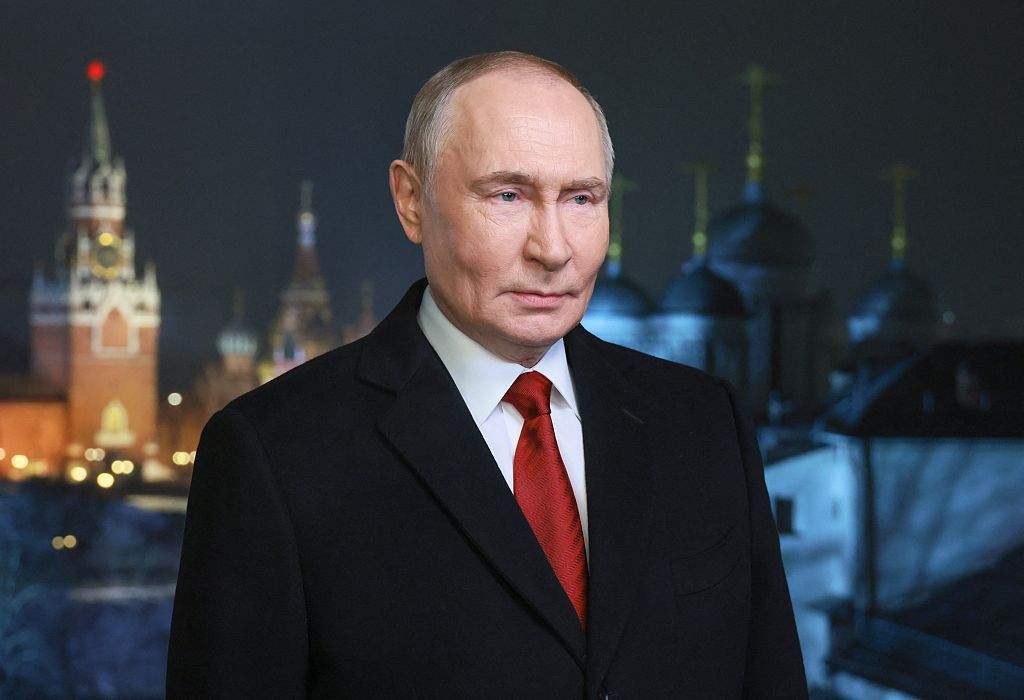
In his New Year address, Putin expressed unwavering confidence in Russia's military endeavors, stating, "We believe in our victory." The speech notably lacked any mention of peace initiatives or diplomatic resolutions to the ongoing conflict in Ukraine, which has persisted since February 2022. Analysts interpret this omission as a clear signal that the Kremlin remains resolutely focused on military objectives rather than engaging in negotiations.
The activation of the Oreshnik missiles coincides with a broader context of military escalation in the region. Ukraine, facing ongoing aggression, has called for increased support from Western allies to counteract Russia's advancements. In light of the recent missile activation, Ukrainian officials have reiterated their commitment to defending their sovereignty, emphasizing the need for enhanced military assistance.
Putin's remarks and the missile activation have drawn sharp criticism from Western leaders, who view these developments as provocative and destabilizing. The United States and its NATO allies have expressed concerns that Russia's military advancements could lead to further escalation in the ongoing conflict, potentially drawing in additional international actors.
As the world enters 2026, the situation in Ukraine remains precarious, with no clear path to resolution. The ongoing war has resulted in significant humanitarian crises, with millions displaced and widespread destruction across the region. The introduction of the Oreshnik missiles only adds to the urgency for diplomatic solutions to avert further conflict.
The international community now faces critical decisions regarding how to respond to these developments. Increased sanctions, military support for Ukraine, and diplomatic pressure on Russia may all be considered as potential measures to deter further military escalation.
In summary, the activation of Russia's Oreshnik missiles marks a troubling development in an already volatile situation. With President Putin's New Year address emphasizing military resolve rather than peace, the prospect for negotiations remains dim. As tensions continue to mount, the focus will remain on the international response and the unfolding dynamics of the conflict in Ukraine.






