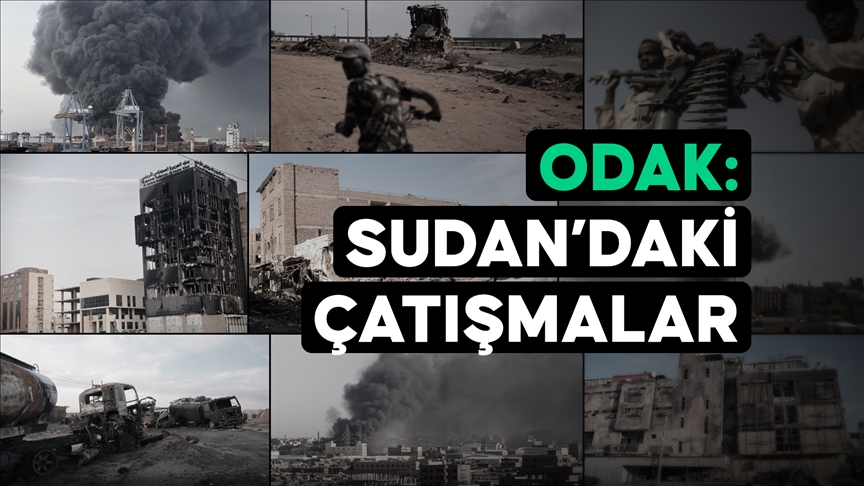

Rising Violence and Unrest in Sudan: A Comprehensive Overview
As the new year commences, Sudan continues to grapple with escalating conflicts that have left communities in turmoil. The violence, which has been marked by clashes between various factions, poses a significant threat to the stability of the nation and the safety of its citizens.
In recent months, multiple reports have highlighted the severity of the ongoing unrest in Sudan. Since the conflicts reignited on January 1, 2026, there has been a notable increase in violent encounters, leading to casualties and widespread displacement among the population. The complexities of the situation are compounded by the historical context of conflict in the region, which has seen a cycle of violence influenced by political power struggles, ethnic tensions, and economic grievances.
Analysts attribute the current unrest to a combination of factors, including the fragmentation of political groups, the absence of a cohesive government response, and persistent economic challenges. The lack of effective governance has allowed rival factions to vie for control, further destabilizing the already fragile situation.
Local sources indicate that the most affected areas are in the western regions of Sudan, where ethnic tensions have boiled over into outright conflict. Reports detail instances of violence between tribal groups, with allegations of human rights violations emerging as communities suffer from ongoing clashes. Civilians have been caught in the crossfire, leading to fears of a humanitarian crisis as access to food and medical care becomes increasingly limited.
The Sudanese government has been criticized for its handling of the situation, with calls for international intervention growing louder. Humanitarian organizations are warning that without immediate assistance, the number of displaced individuals could rise significantly, exacerbating an already dire situation. Access to humanitarian aid has been hampered by the violence, with roads becoming unsafe for transport and aid workers facing increasing risks.
In a statement, a spokesperson from a leading humanitarian organization expressed concern over the deteriorating conditions: "The situation in Sudan is reaching a critical point. Without urgent action, we could see a catastrophic humanitarian disaster unfold."
The international community has begun to respond, with some nations calling for diplomatic efforts to mediate the conflict. However, the effectiveness of these initiatives remains to be seen, as the complex dynamics of Sudan’s internal politics continue to pose significant challenges to peace efforts.
Background
Sudan has a long history of conflict, particularly since the secession of South Sudan in 2011, which left deep scars on the nation’s socio-political fabric. The Darfur conflict, which began in 2003, remains one of the most devastating humanitarian crises in the world. Efforts to establish lasting peace have been hampered by ongoing violence and political instability.
The recent surge in conflict comes at a time when Sudan is still recovering from the effects of previous uprisings and governmental changes. The transition to a more democratic governance structure has been fraught with challenges, and many citizens remain wary of the government's ability to maintain peace and security.
Conclusion
The situation in Sudan is precarious, with ongoing conflicts posing a serious threat to the stability and safety of its citizens. As violence continues to escalate, the need for immediate international attention and intervention becomes increasingly urgent. Without swift action, the prospects for peace and recovery in Sudan may diminish further, leading to devastating consequences for the entire region. The world watches closely, hoping for a resolution that prioritizes the welfare of the Sudanese people amidst ongoing turmoil.






