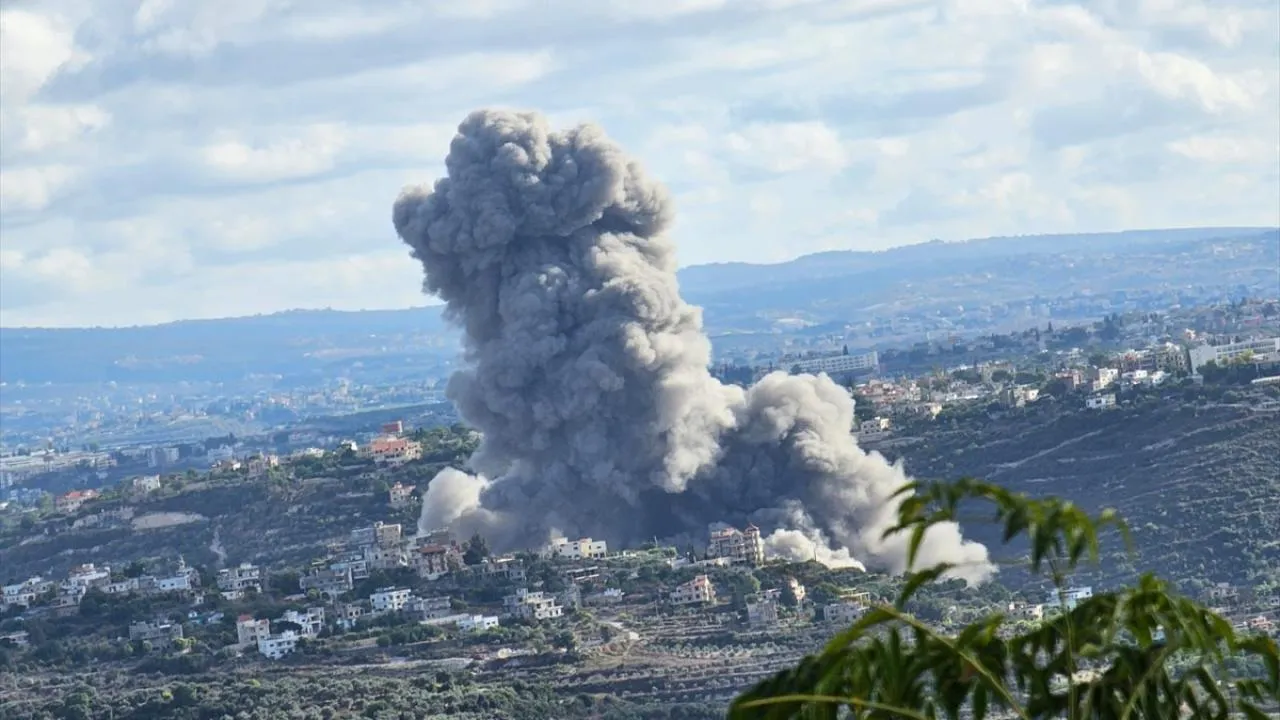

Rising Tensions: Israeli Strikes Impact Southern Lebanon Amid Hezbollah Concerns
In a significant escalation of tensions in the region, Israeli airstrikes have targeted southern Lebanon, marking a notable increase in military activity tied to concerns surrounding Hezbollah's armament. The strikes commenced on December 31, 2025, and have prompted diplomatic efforts from Turkey and Qatar, seeking to mediate the situation through channels involving Hezbollah.
The airstrikes, which have been characterized as high severity, reflect a deteriorating security situation in Lebanon, as fears mount over Hezbollah's stockpiling of weapons and the group's ongoing confrontations with Israel. The strikes come in the wake of a broader escalation in the Israel-Gaza conflict and heightened regional tensions.
Details of the Strikes
According to reports, the Israeli military conducted a series of airstrikes aimed at specific locations in southern Lebanon, areas known to be associated with Hezbollah activities. While the exact targets have not been disclosed, these actions appear to be a direct response to perceived threats from the militant group. The strikes are seen as part of Israel's broader strategy to disrupt Hezbollah's military capabilities, which have been a point of contention in the ongoing tensions between the two sides.
The timing of the strikes is particularly significant, as they coincide with international diplomatic efforts to address the increasing unrest in the region. Turkey and Qatar have allegedly initiated diplomatic initiatives aimed at engaging with Hezbollah, signaling a potential shift in how regional powers are approaching the conflict.
Diplomatic Efforts
Reports indicate that Turkey and Qatar are exploring avenues for dialogue through Hezbollah, which may indicate a desire to de-escalate the situation. Such diplomatic efforts are crucial given the potential for the conflict to spiral into a larger regional confrontation involving multiple actors. The involvement of these nations underscores the complexity of the geopolitical landscape in the Middle East, where alliances and rivalries often intersect.
Background
The backdrop to these recent developments is the ongoing Israel-Hezbollah conflict, which has seen a resurgence in violence since the escalation of hostilities in 2024. Hezbollah, a Shiite militant group based in Lebanon, has long been a key adversary of Israel, and the two sides have engaged in numerous skirmishes and military confrontations over the years.
The situation has been further complicated by the ongoing Israel-Gaza conflict, which has exacerbated tensions across the region. As violence continues to flare in various parts of the Middle East, including the ongoing conflicts in Yemen and Syria, the potential for broader instability remains a pressing concern for regional and global stakeholders.
Conclusion
The recent Israeli strikes in southern Lebanon highlight the fragile security situation in the region and the persistent threat of conflict involving Hezbollah. As Turkey and Qatar seek to mediate the crisis, the international community will be closely monitoring developments, hoping for a resolution that can bring stability to a region long plagued by violence and political strife. The next steps taken by both military and diplomatic actors will be critical in shaping the future trajectory of peace and conflict in the Middle East.






