
Rising Tensions: India-Pakistan Conflict Looms in 2026
As the new year begins, concerns are mounting over the potential for renewed conflict between India and Pakistan. With ongoing disputes over territory and security, experts warn that the geopolitical landscape in South Asia remains precarious.
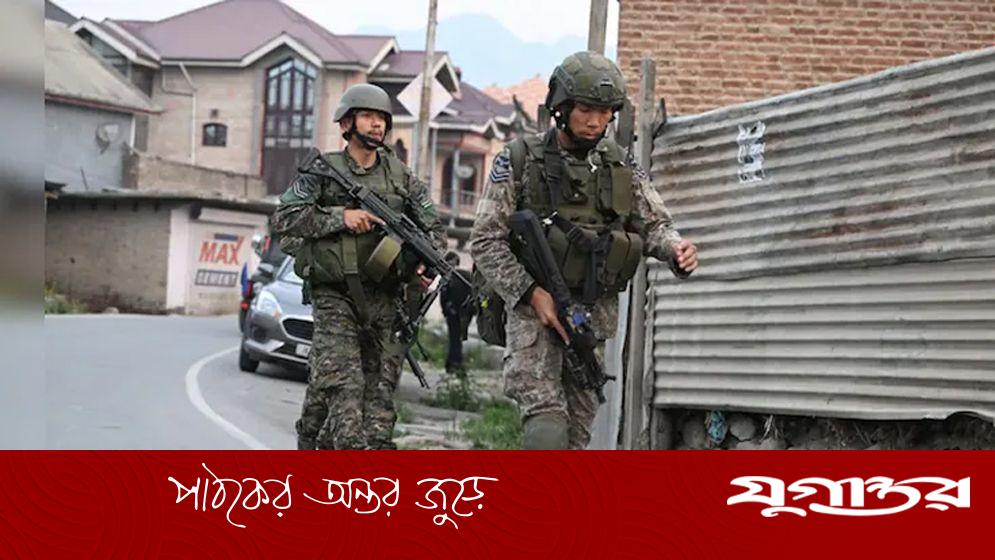
The report from GDELT highlights the escalating tensions that have characterized the relationship between the two nations, particularly in recent months. As of January 1, 2026, both countries appear to be on high alert, with military activities and troop movements reported along the Line of Control (LoC), the de facto border in the disputed Kashmir region.
Increasing Military Preparedness
Sources indicate that both India and Pakistan have ramped up their military preparedness in anticipation of potential hostilities. Analysts suggest that this could be a reaction to recent incidents along the border, where skirmishes have recurrently drawn international attention. The Indian military has reportedly been conducting exercises designed to enhance its operational readiness, while Pakistan has also focused on bolstering its defenses.
According to the GDELT report, these developments have raised fears of an unintended escalation that could lead to a full-scale conflict. The historical context of hostility between the two nations, which have fought multiple wars since their independence in 1947, adds to the urgency of the situation.
Political Dynamics
The political environment in both countries is also a factor contributing to the heightened tensions. In India, the government has faced criticism domestically for its handling of national security issues, while Pakistan is grappling with internal challenges, including economic difficulties and political instability. Such pressures may lead both governments to adopt more aggressive postures as a means to rally nationalistic sentiments and distract from domestic issues.
In statements reported by GDELT, analysts highlight the need for diplomatic engagement to mitigate the risk of conflict. "Both nations need to prioritize dialogue over aggression," said a regional expert, emphasizing that military solutions would have devastating consequences for both countries and the broader region.
Background
The roots of the India-Pakistan conflict lie deep within historical grievances and territorial disputes, particularly over Kashmir—a region claimed in full by both nations but administered in parts. The LoC has been a flashpoint for violence, with numerous ceasefire violations reported in recent years. The situation is further complicated by the involvement of external powers, including China, which has its own interests in the region.
In recent years, there have been sporadic attempts at peace talks; however, these initiatives have often stalled, leaving the relationship fraught with suspicion and hostility. The recent uptick in military readiness suggests that both nations are prepared for the possibility that negotiations may yield little fruit.
Conclusion
As 2026 unfolds, the potential for renewed conflict between India and Pakistan looms large. The combination of military readiness, political pressures, and historical tensions creates a volatile environment. Observers stress that the international community must remain vigilant and encourage diplomatic efforts to prevent an escalation into war. The stakes are high, and the consequences of conflict would be felt far beyond the subcontinent, impacting global stability and security.