
Rising Tensions in Yemen: Saudi Airstrikes Kill Seven Amid Deepening Rift with UAE-Backed Forces
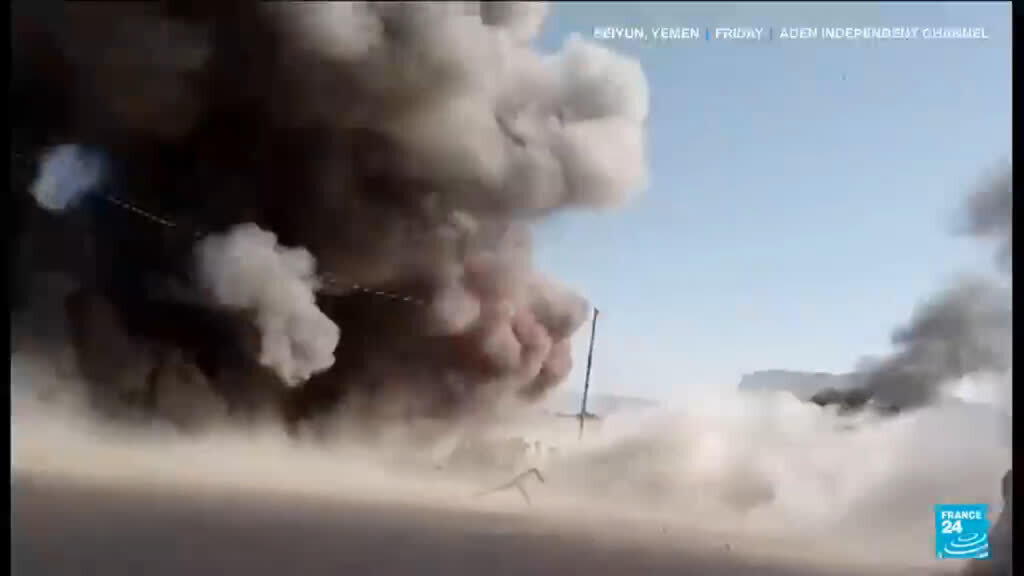
In a significant escalation of violence in Yemen, Saudi airstrikes have reportedly killed at least seven individuals, amid an increasingly strained relationship between Saudi Arabia and the United Arab Emirates (UAE) as they back rival factions within the country. The airstrikes, which occurred on January 2, 2026, highlight the complex dynamics of the ongoing conflict in Yemen, where regional powers have historically collaborated against Houthi rebels but are now experiencing profound divisions.
The recent airstrikes targeted areas associated with UAE-backed separatists in the Hadramout province, a region that has become a focal point of contention between the two Gulf states. According to reports, the Saudi-backed governor of Hadramout has indicated that "peaceful" efforts are underway to reclaim military bases that were previously abandoned by Emirati forces. This statement underscores the contrasting strategies employed by Riyadh and Abu Dhabi as they vie for influence in Yemen’s turbulent political landscape.
The deaths from the airstrikes represent a grim reminder of the ongoing violence that has plagued Yemen since the outbreak of civil war in 2015. The humanitarian situation in the country remains dire, with millions suffering from food insecurity and lack of basic services. The recent military actions and the deepening rift between Saudi Arabia and the UAE add another layer of complexity to an already fragmented conflict.
Background and Context
Yemen’s civil war has been characterized by a multi-faceted struggle involving various domestic and international actors. Initially, the conflict began when Houthi rebels, who are predominantly Shia Muslims, seized control of the capital, Sanaa, prompting a military intervention by a coalition led by Saudi Arabia in 2015. The coalition aimed to restore the internationally recognized government led by President Abdrabbuh Mansur Hadi.
Saudi Arabia and the UAE, initially united in their efforts against the Houthis, have increasingly found themselves at odds, particularly regarding their support for different factions within Yemen. The UAE has focused on empowering local separatist groups, such as the Southern Transitional Council (STC), while Saudi Arabia has sought to maintain a semblance of a unified Yemeni government. This divergence has led to violent confrontations between the forces supported by each country, further complicating peace efforts.
The recent airstrikes are a stark indication of this rift, as Saudi Arabia appears to be intensifying its military response against the UAE-backed forces. Reports suggest that the situation on the ground is precarious, with fears that further escalation could lead to increased civilian casualties and destabilize the region even more.
Conclusion
As the conflict in Yemen continues to evolve, the implications of the Saudi airstrikes extend beyond immediate military objectives. The deepening rift between Saudi Arabia and the UAE raises questions about the future of the coalition's efforts in Yemen and the potential for further violence. With the humanitarian crisis worsening, the international community is urged to pay closer attention to the developments in Yemen and push for a diplomatic resolution to this protracted conflict. The situation remains fluid, and the repercussions of these recent events may have far-reaching consequences for the region.