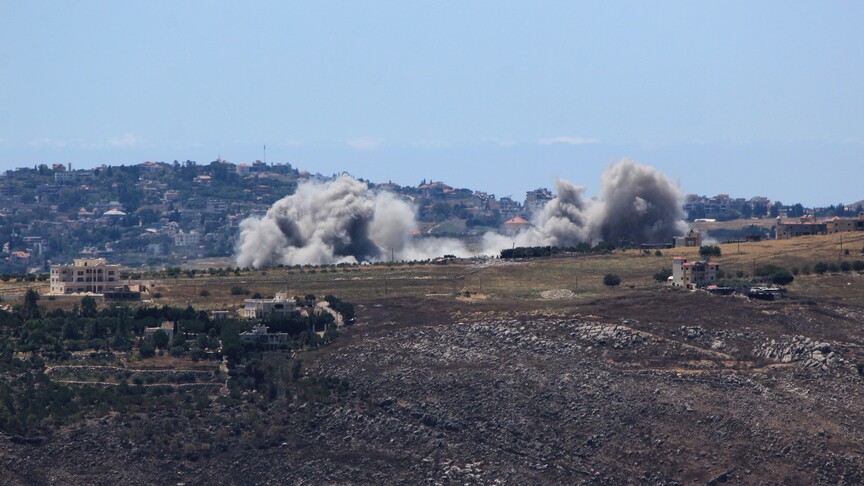

Rising Tensions in India-Pakistan Relationship Amid Internal Conflicts
Recent reports indicate escalating risks of conflict between India and Pakistan in 2026, as a U.S. think tank warns of potential repercussions from increased terror activity. This comes as India grapples with its own internal security challenges, exemplified by a recent anti-insurgency operation in Chhattisgarh, where security forces eliminated 14 Maoists.
On December 31, 2025, a U.S. think tank issued a report highlighting the dangers of heightened terror activities in the region, suggesting that these could lead to an armed confrontation between the two nuclear-armed nations. The assessment comes at a time when both countries are navigating complex geopolitical landscapes and internal security threats. The warning underscores the longstanding tensions over territorial disputes and terrorism, particularly in the context of Kashmir, which has historically been a flashpoint between the two countries.
In a separate yet significant development, on January 3, 2026, security forces in India conducted an anti-insurgency operation in Chhattisgarh's Sukma and Bijapur districts, resulting in the deaths of 14 Maoists. This operation was part of ongoing efforts to combat the Maoist insurgency that has plagued various parts of India, particularly in central and eastern regions. The encounters also led to the recovery of a substantial cache of weapons, which authorities believe may have been intended for future attacks.
Police reports suggest that among those killed were key commanders linked to the group responsible for the murder of Konta Assistant Superintendent of Police (ASP) Akash Rao Girepunje. The successful operation has been viewed as a necessary step in restoring order and enhancing security in the region, which has been marred by violence and unrest.
Background Context
The India-Pakistan conflict has deep historical roots, primarily revolving around territorial disputes in Kashmir and the ongoing threat of terrorism. Over the years, both nations have engaged in multiple armed conflicts and skirmishes, with periodic escalations that have raised international concerns.
In recent years, cross-border terrorism and militant activities have further strained relations. The U.S. think tank's warning highlights how these issues can potentially spiral into larger conflicts, particularly as both nations bolster their military capabilities. The situation is exacerbated by political dynamics, regional alliances, and the impact of global geopolitical shifts.
Furthermore, the internal security challenges posed by Maoist insurgents reflect a different aspect of India's security landscape. The Maoist movement, which advocates for the rights of marginalized communities, has led to violent confrontations with Indian security forces, often resulting in significant casualties on both sides.
Conclusion
As 2026 unfolds, the warning from the U.S. think tank about the potential for armed conflict between India and Pakistan underscores the precarious nature of regional security. Coupled with ongoing internal strife, such as the recent anti-Maoist operations in Chhattisgarh, India finds itself navigating a complex web of challenges. The situation calls for heightened vigilance and strategic responses from both national and international stakeholders to mitigate the risks of escalation and promote stability in the region.