
Rising Tensions in India-Pakistan Relations Amid Internal Conflicts
As 2026 unfolds, a US think tank has issued a warning regarding the potential for increased armed conflict between India and Pakistan owing to a rise in terror activities, raising alarms about the stability of the region. This warning comes amid ongoing internal strife within India, particularly highlighted by recent military operations against Maoist insurgents in Chhattisgarh.
The US-based think tank's analysis indicates that the current trajectory of terror-related incidents could exacerbate tensions between the two neighboring countries, which have a long history of conflict, primarily centered around the Kashmir region. As militant activities increase, the possibility of an armed confrontation in 2026 becomes more pronounced, prompting concerns from regional experts and security analysts alike.
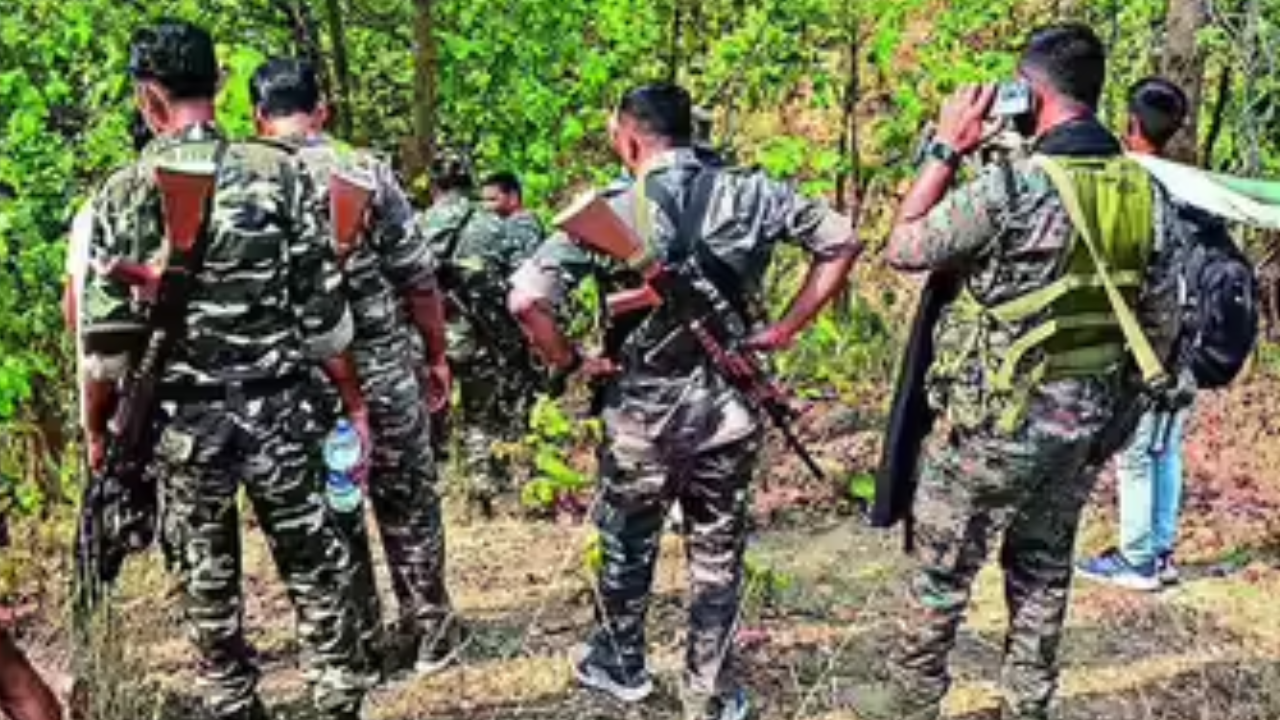
In a related development, Indian security forces recently engaged in significant anti-insurgency operations in Chhattisgarh. On January 3, 2026, over ten Maoists were reportedly killed in Sukma district during a fierce encounter, with operations continuing in the area. Additionally, two Naxals were neutralized in a separate operation in Bijapur. These clashes underscore the ongoing challenges India faces in maintaining internal security, particularly against Maoist groups that have operated in the region for decades.
The operations in Chhattisgarh reflect the Indian government's ongoing commitment to combatting insurgency and maintaining order in areas plagued by violence. Officials have indicated that these operations will persist as part of broader efforts to stabilize the region and diminish the capacity of such groups to launch attacks against the state.
The timing of the US think tank's warning coincides with these internal security operations and raises questions about the dual pressures the Indian government faces. On one hand, it must address domestic insurgencies, while on the other, it must remain vigilant against external threats, particularly from Pakistan, where tensions frequently escalate.
Historically, the India-Pakistan conflict has been punctuated by periods of heightened military readiness and skirmishes, often triggered by incidents of terrorism. The Kashmir dispute remains the core issue, with both nations claiming the territory in full. The international community continues to watch closely, as any outbreak of armed conflict could have severe implications not only for South Asia but for global stability as well.
As 2026 progresses, the Indian government under Prime Minister Narendra Modi will likely face increasing scrutiny regarding its approach to both internal and external security challenges. The situation in Chhattisgarh serves as a reminder of the complexities involved in managing a multifaceted security landscape, where insurgency and external threats may converge.
In conclusion, the current landscape in India is fraught with challenges that could have far-reaching implications. The warning from the US think tank about potential conflict with Pakistan, coupled with ongoing operations against Maoists, highlights the critical need for comprehensive strategies to address both internal and external security threats. With tensions on multiple fronts, the coming year may prove pivotal for India's stability and security.