
Rising Concerns Over 'White-Collar Terrorism' in India Following Delhi Bomb Blast
In a significant address on January 2, 2026, Indian Defense Minister Rajnath Singh brought attention to a troubling trend he termed "white-collar terrorism," following a car bomb blast in Delhi that has raised alarm about the involvement of educated individuals in violent acts. The blast, which occurred near the historical Red Fort on November 10, 2025, has prompted discussions about the motivations and backgrounds of those engaging in such acts of violence.
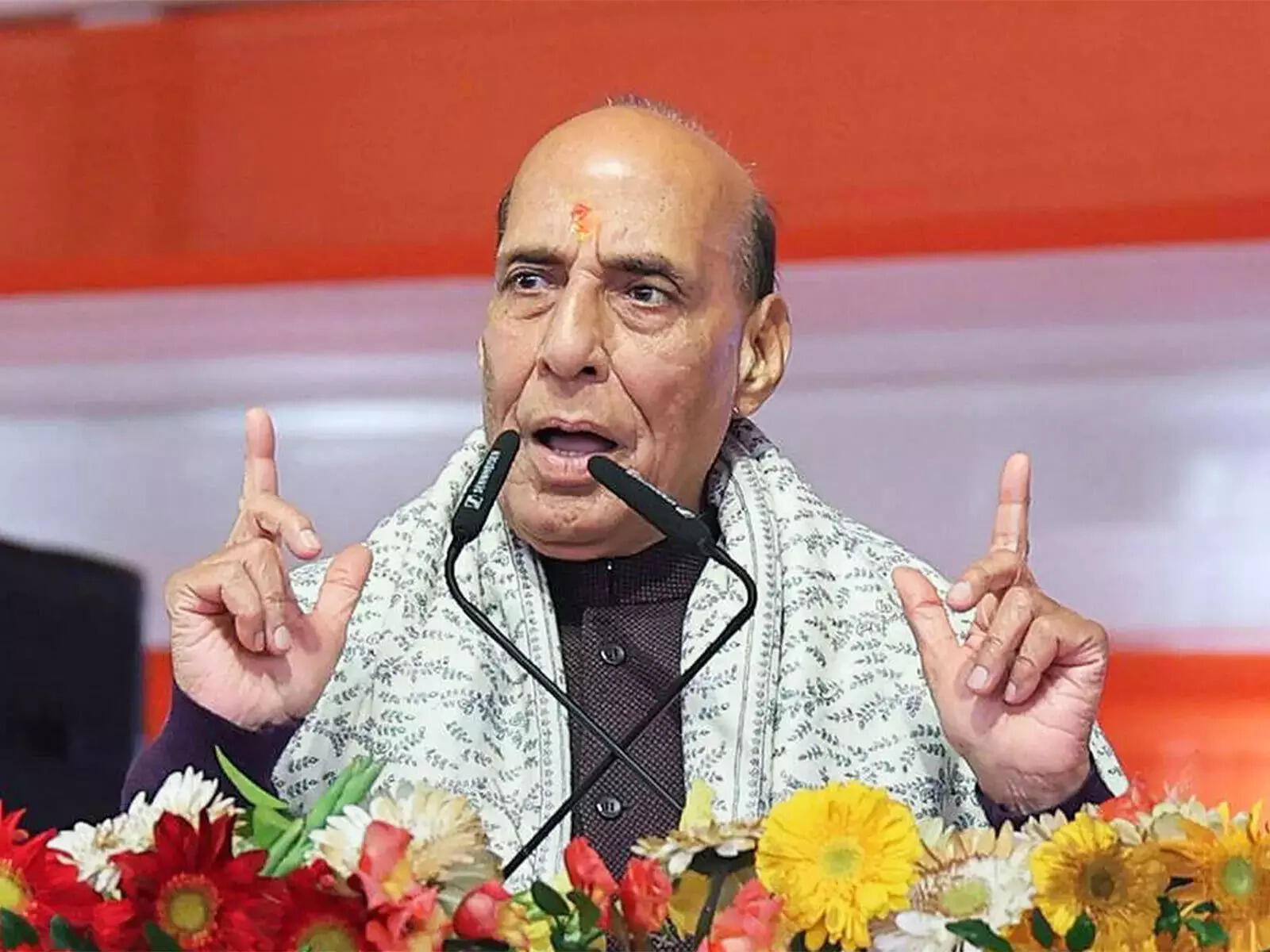
During the 104th foundation day ceremony of Bhupal Nobles' University, Singh highlighted the stark reality that those implicated in the recent bombing were not typical perpetrators but highly-educated professionals, specifically identifying some as doctors. He stated, “Today, an alarming trend of white-collar terrorism is emerging in the country. Highly-educated people are working against society and the country." This statement underscores a shift in the profile of individuals involved in terrorism, suggesting a potential ideological or politically motivated element among those typically perceived as contributors to society.
The Delhi car bomb incident is particularly noteworthy not only for its violence but also for the implications it carries about societal norms and the potential for educated individuals to engage in radicalized activities. The use of a car bomb in a densely populated area such as Delhi raises concerns about public safety and the efficacy of current security measures in preventing such incidents.
Rajnath Singh’s remarks come amid a broader context of rising violence and instability in various regions of India and worldwide. The emergence of "white-collar terrorism" poses unique challenges for law enforcement and intelligence agencies, as it complicates the traditional methods of identifying and mitigating threats. The involvement of educated individuals may also reflect deeper societal issues, including disillusionment with political systems, economic disparities, or ideological extremism.
Background on the Delhi Bomb Blast
The November 10 car bomb blast near the Red Fort was one of the most significant terrorist incidents in recent months, resulting in numerous casualties and injuries. The attack not only shocked the nation but also highlighted vulnerabilities in security protocols, particularly in areas frequented by tourists and locals alike. The government has faced scrutiny regarding its ability to maintain public safety and prevent further incidents.
As authorities investigate the backgrounds of those involved, there is an urgent call for enhanced community engagement and preventive measures to address the underlying issues that may lead educated individuals to radicalize. Singh's characterization of "white-collar terrorism" signifies an urgent need to re-evaluate strategies employed by security agencies, focusing not only on traditional threats but also on the motivations of individuals who may appear benign.
Conclusion
The discourse surrounding "white-collar terrorism" marks a critical juncture for India as it navigates the complexities of modern threats. As the investigation into the Delhi bomb blast continues, it is essential for policymakers and security officials to address the multi-faceted nature of terrorism in the country. Educated individuals engaging in violence is a troubling phenomenon that requires a comprehensive approach, encompassing education, community outreach, and vigilance to prevent further acts that threaten social cohesion and safety.






