
Rise in Organized Crime in France Sparks Calls for Community Involvement
A recent surge in drug-related organized crime across French cities has raised significant concerns, as increasing shootings and violence have become alarming realities for many communities. The latest developments have prompted advocacy for a more community-oriented approach to crime prevention, drawing inspiration from strategies successfully employed in Italy.
The situation escalated dramatically in early January 2026, with multiple reports highlighting a series of violent incidents linked to drug trafficking and organized crime groups. This uptick in violence has put the spotlight on the inadequacies of the current law enforcement strategies that primarily focus on punitive measures rather than community engagement.
According to experts and community leaders, the response from the French government has largely been one of heightened repression, prioritizing tougher law enforcement over more holistic community-based strategies. Campaigners argue that while stringent law enforcement is essential, it is not sufficient on its own to combat the deep-rooted issues associated with organized crime.
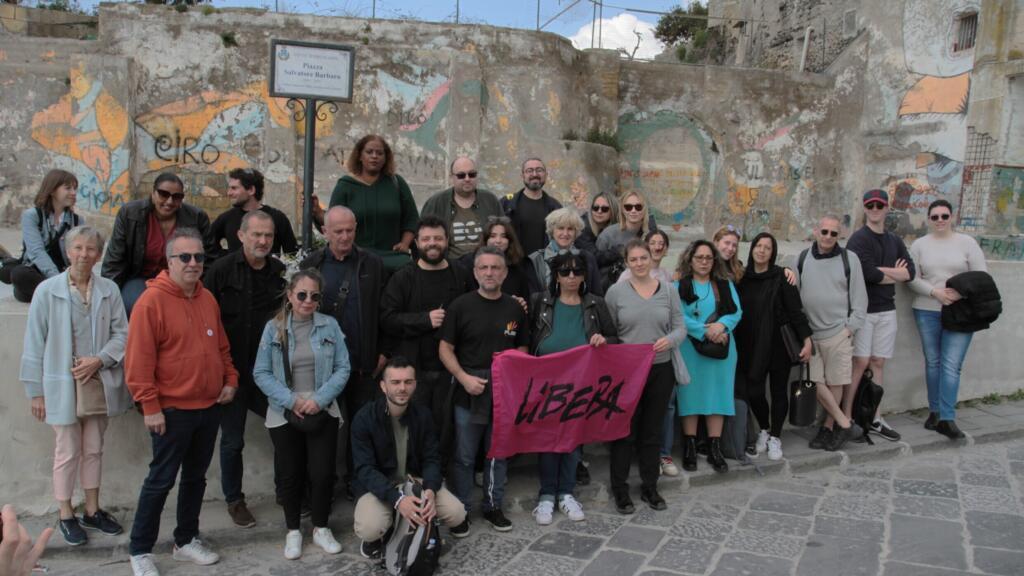
In light of these challenges, many advocates are urging the French authorities to adopt a model similar to Italy's approach in dealing with organized crime. Italy has seen some success in involving local citizens in the fight against organized crime, particularly the Mafia, through community outreach programs and educational initiatives aimed at empowering neighborhoods and fostering resilience against criminal influences.
"Repression alone will not resolve the issues we are facing," stated a local community leader who has been involved in outreach programs. "We need to engage the community, educate our youth, and build a network of support that can stand against organized crime. This is not just a law enforcement issue; it's a societal issue."
The rise in organized crime and the corresponding violence is not an isolated phenomenon. French cities, particularly those with high levels of poverty and unemployment, have become hotbeds for drug trafficking and gang-related activities. With increased competition among rival gangs, the violence has spilled into the streets, endangering innocent bystanders and instilling fear within communities.
Authorities have acknowledged the need for a multifaceted approach to address the crisis. However, the implementation of community-based strategies has been slow, with many regions still grappling with traditional policing methods that do not address the root causes of crime.
The situation is compounded by the ongoing socio-economic challenges facing many regions in France. Experts note that addressing the underlying issues, such as poverty, lack of education, and limited job opportunities, is crucial in reducing the appeal of organized crime for young people.
As France faces this pressing issue, the lessons learned from Italy may provide valuable insights. Initiatives such as community policing, educational outreach, and partnerships between law enforcement and local organizations could pave the way for a more effective response to organized crime.
In conclusion, the rise of organized crime in France, particularly regarding drug-related violence, underscores the urgent need for a more inclusive approach to crime prevention. By learning from Italy's experiences and empowering communities, France may be able to foster resilience against organized crime and create safer environments for its citizens. As the government grapples with this escalating crisis, the call for a shift in strategy has never been more critical.






