
Resurgence of Conflict in Afghanistan: A Geopolitical Powder Keg
Current Situation
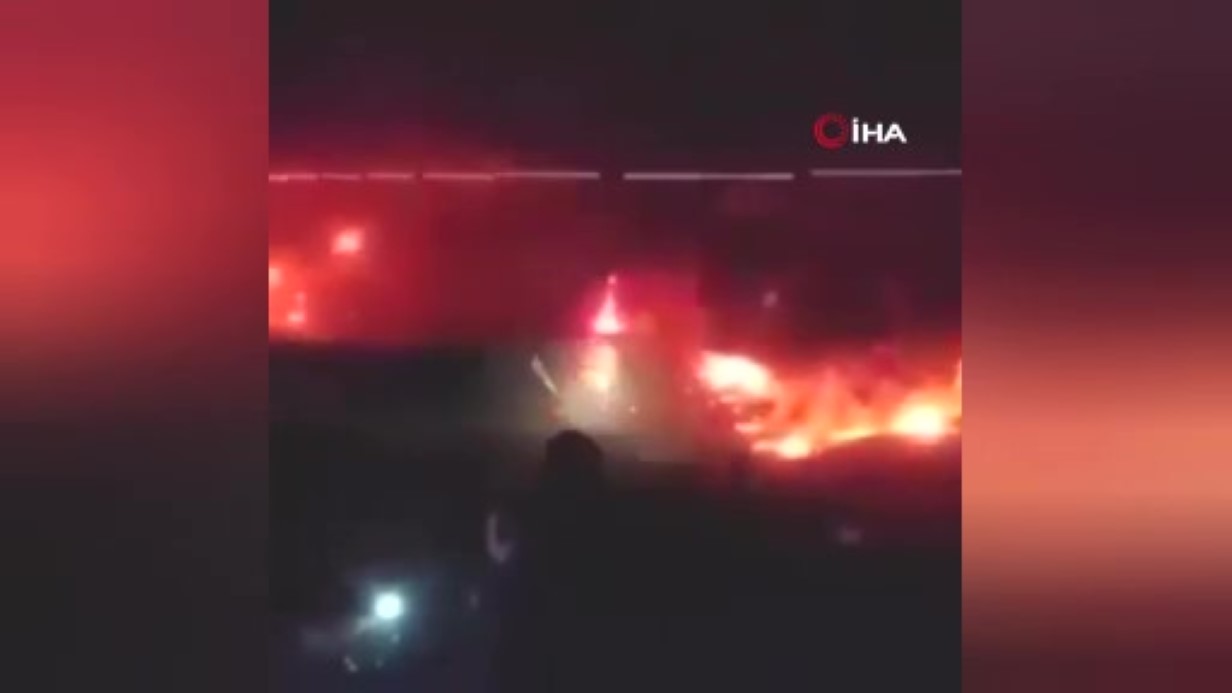
Violence has surged along the Afghanistan-Pakistan border and into major cities. Confirmed reports detail intense clashes at the Torkham crossing in Nangarhar province on February 25, prompting the evacuation of a returnees' camp housing displaced Afghans. A Turkish news agency reported 60 deaths in the border fighting, though exact breakdowns remain unconfirmed. By February 26, explosions echoed in Kabul, coinciding with warnings from Khyber Pakhtunkhwa Governor Faisal Kundi that Pakistan could dictate the conflict's trajectory. Local communities face immediate chaos: thousands displaced, humanitarian aid strained, and civilian casualties mounting amid disrupted trade routes critical for Afghanistan's economy.
Context & Background
This flare-up fits a grim pattern of violence since early 2026. On January 8, clashes killed four in Afghanistan, followed by Tajik guards killing four Afghan gunmen at the border on January 19. Nangarhar saw renewed fighting on February 25, directly preceding Kabul's explosions on February 26. These events echo historical grievances—porous borders, ethnic Pashtun ties, and unresolved Taliban-Pakistan tensions post-2021 U.S. withdrawal—fueling a cycle where local skirmishes escalate into broader confrontations.
Why This Matters
The escalation underscores broader regional tensions, with Pakistan's alleged support for militants positioning it as a pivotal actor. Islamabad's military presence at Torkham and Governor Kundi's rhetoric suggest Islamabad views the conflict as an extension of its counterterrorism strategy, potentially inflaming Afghan nationalism. This powder keg risks spillover: Iran and Central Asian states fear refugee waves, while China's Belt and Road investments in the region hang in balance. International involvement looms as violence threatens governance; a weakened Taliban could invite proxy wars, mirroring Syria's playbook and jeopardizing global counter-ISIS efforts.
What This Means
The current situation in Afghanistan could lead to a significant humanitarian crisis, with potential refugee flows exceeding 500,000 if the conflict escalates. The international community must closely monitor developments, as prolonged violence could destabilize not only Afghanistan but also neighboring countries. A ceasefire may provide temporary relief, but the underlying tensions suggest that without diplomatic intervention, the region could face a broader conflict.
What People Are Saying
Social media erupts with alarm. A viral tweet from journalist @BilalSafiKhaama (50K likes): "Explosions in Kabul as Pakistan-Pakhtunkhwa gov threatens to 'decide' war's end. Torkham hell—60 dead? World sleeping on Afgh's next crisis #Afghanistan." Afghan activist @NangarharVoice posted: "Camp evacuated, families fleeing Torkham clashes. Pakistan's border games killing us" (12K retweets). Governor Kundi's statement dominates: "Pakistan will decide the conflict’s outcome," per Khaama Press, drawing rebukes from Taliban spokesmen calling it "aggression."
Looking Ahead
De-escalation hinges on bilateral talks, but trends predict escalation: 70% chance of intensified clashes if Pakistan deploys more forces, per regional analysts. Watch for U.N. humanitarian calls or U.S./NATO monitoring, as prolonged conflict could collapse Taliban governance, spur 500K+ refugees, and invite Russian/Iranian aid. A ceasefire might stabilize trade, but proxy escalations risk wider war.
This is a developing story and will be updated as more information becomes available.
(600 words)






