Rescuers Detect Signs of Life After Deadly Garbage Avalanche at Philippines Landfill, Dozens Still Missing
MANILA, Philippines — Rescuers in central Philippines discovered signs of life beneath a massive garbage avalanche at a landfill in Binaliw on Saturday, raising hopes for survivors even as the death toll reached at least four and more than 30 workers remained missing following the collapse that began late Friday.
The incident unfolded at the Binaliw landfill, where an avalanche of waste buried numerous waste pickers and workers. According to reports, the collapse occurred amid ongoing operations at the site, trapping dozens under layers of refuse. By Saturday, officials confirmed that 12 workers had been pulled alive from the debris, but the search efforts were intensifying after detectors picked up indications of life deeper within the rubble.
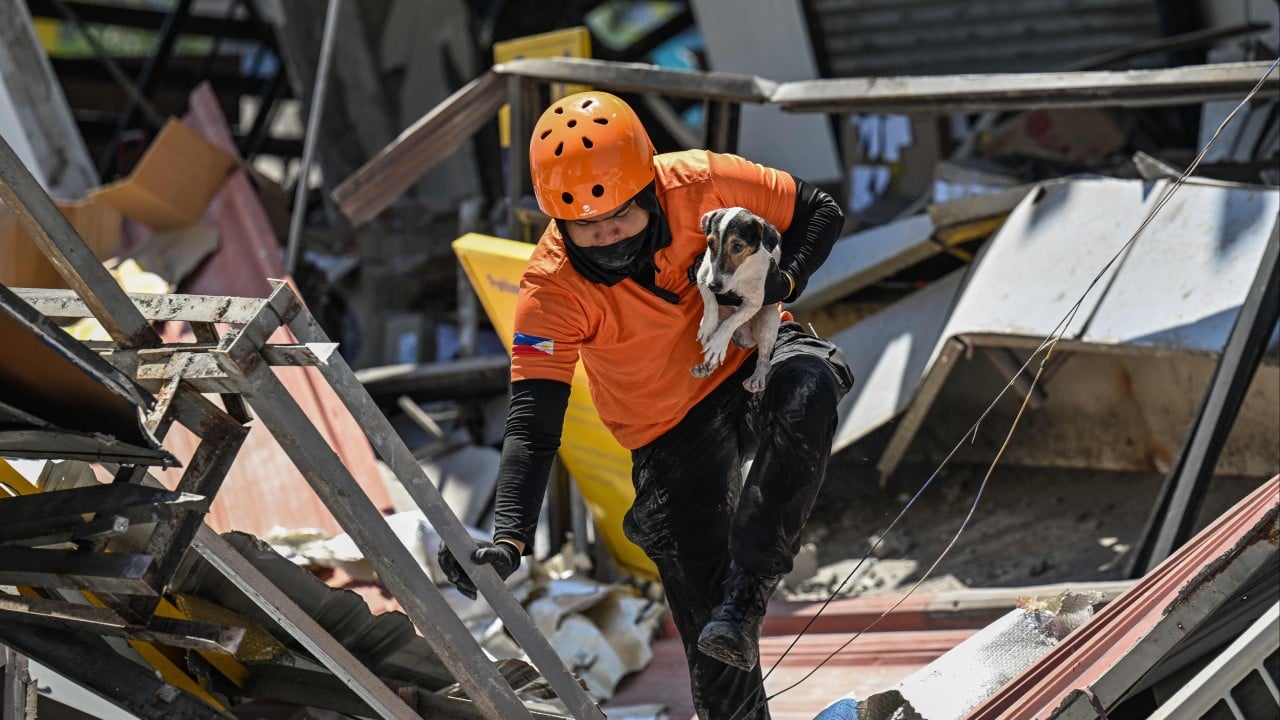
An official involved in the response highlighted the urgency of the operation, stating that teams planned to ramp up activities throughout the day. The event has drawn national attention, with emergency crews deploying heavy equipment, sniffer dogs, and thermal imaging devices to navigate the unstable mound of garbage.
Escalating Crisis and Rescue Challenges
The garbage avalanche struck on Friday, January 9, 2026, around 4:51 a.m. GMT, though initial reports referenced a Thursday timeline, underscoring the rapid evolution of the disaster. Severity assessments classified it as high-impact, with one early report noting a single confirmed death and 27 missing, but updated figures from rescuers indicated at least four fatalities and over 30 unaccounted for. The discrepancy reflects the chaotic early stages of the response, as teams worked to verify identities amid the hazardous environment.
Rescue operations faced significant obstacles, including the risk of further collapses and toxic fumes from decomposing waste. Workers at such sites, often informal waste pickers known locally as "mangangabulin," scavenge for recyclables to earn a living, making them particularly vulnerable. The 12 successful rescues so far provide a glimmer of hope, but officials cautioned that time was critical for those still trapped.
Historical Context of Philippines' Landfill Hazards
Landfill collapses are not unprecedented in the Philippines, a nation grappling with chronic waste management challenges. The archipelago generates over 40,000 tons of solid waste daily, according to data from the Department of Environment and Natural Resources (DENR), with rapid urbanization and inadequate infrastructure exacerbating risks. Open dumpsites, like the one in Binaliw, are common in rural and peri-urban areas, often overloaded beyond capacity and situated on unstable slopes.
A tragic precedent is the 2000 Payatas landslide in Quezon City, where a 50-foot-high garbage mound collapsed after heavy rains, killing at least 218 people and leaving hundreds missing. That disaster prompted reforms, including the Ecological Solid Waste Management Act of 2000, which mandated sanitary landfills and recycling programs. However, implementation has been uneven, with many sites still operating as open dumps vulnerable to monsoons, earthquakes, and structural failures.
In recent years, similar incidents have occurred, such as a 2017 collapse at the Balili dump in La Trinidad, Benguet, which killed two and injured several. Climate change has intensified these threats, with more frequent typhoons—such as Super Typhoon Rolly in 2020—saturating landfills and triggering slides. The Binaliw event coincides with the dry season, suggesting possible overloading or seismic activity as contributing factors, though investigations are ongoing.
Government Response and Community Impact
Local authorities in the central Philippines region mobilized swiftly, coordinating with the National Disaster Risk Reduction and Management Council (NDRRMC). President Ferdinand Marcos Jr.'s administration has pledged support, including potential aid for affected families. Binaliw, a community reliant on the landfill for livelihoods, now faces economic fallout, as waste picking sustains thousands in similar areas.
Health concerns loom large, with risks of disease outbreaks from leachate and pathogens in the exposed waste. The DENR has previously warned of non-compliant dumpsites, and this incident may accelerate closures or upgrades under the government's Clean Air Act and expanding circular economy initiatives.
Outlook for Search and Prevention
As of Saturday, January 10, 2026, search efforts were set to continue around the clock, bolstered by the detection of signs of life. Officials expressed determination to account for all missing individuals, but the death toll could rise without swift extraction.
This tragedy underscores the urgent need for modernized waste infrastructure in the Philippines, where population growth and consumption patterns strain existing systems. Advocacy groups like GAIA (Global Alliance for Incinerator Alternatives) have long called for reduced reliance on landfills through composting, recycling, and waste-to-energy solutions. Whether the Binaliw collapse catalyzes meaningful policy shifts remains to be seen, but it serves as a stark reminder of the human cost of environmental neglect.
(Word count: 712)