Repatriating the Fallen: Sri Lanka's Role in US-Iran Tensions in the Indian Ocean
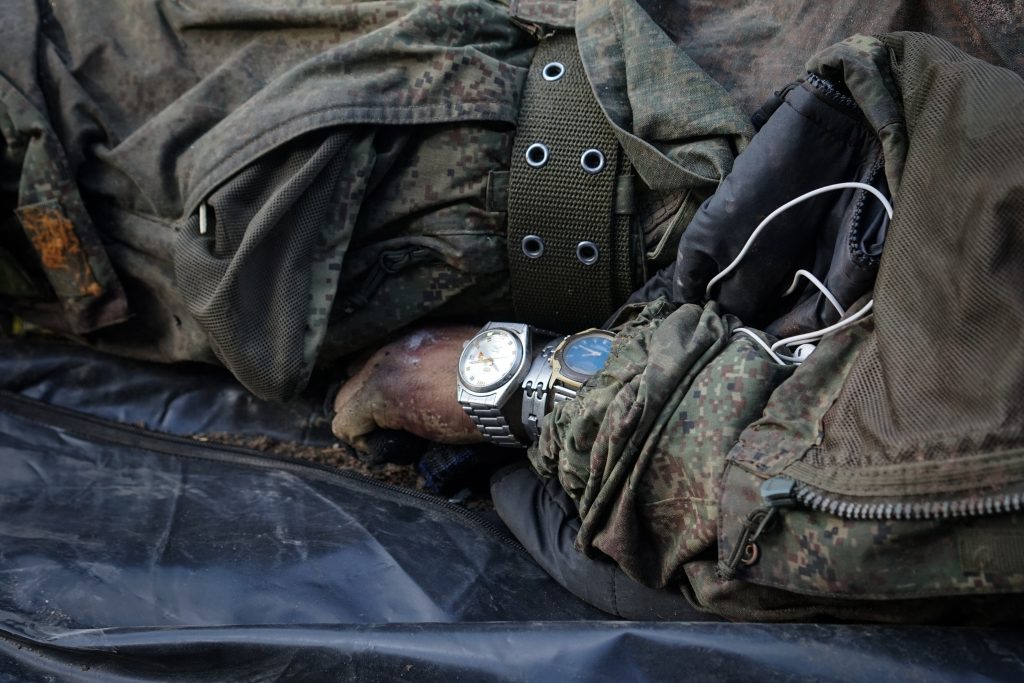
Sri Lanka is facilitating the humanitarian repatriation of 84 Iranian sailors' remains recovered from international waters near its Exclusive Economic Zone (EEZ) following a US attack. This event underscores Sri Lanka's commitment to neutrality amid escalating US-Iran conflicts, highlighting diplomatic challenges and global maritime law implications as of March 13, 2026.
Current Status and Developments
The remains, preserved in a Colombo morgue since recovery, are set for airlift to Tehran within 48 hours. Sri Lankan authorities, working with the Iranian Embassy and international bodies, navigate UNCLOS protocols while maintaining heightened security at ports like Colombo and Trincomalee. Public sympathy for Iran is evident through small protests, as Sri Lanka balances its non-aligned policy.
Analysis and Implications
This incident tests Sri Lanka's foreign policy, risking ties with both the US (a key economic partner) and Iran (a significant trade ally). It exposes gaps in international humanitarian law and amplifies human costs, with media framing influencing global perceptions and potentially disrupting Indian Ocean trade routes.
Outlook and Looking Ahead
Expect potential Iranian retaliation, such as proxy strikes, which could affect oil prices and Sri Lanka's economy. Diplomatic efforts may include UNSC discussions and regional talks, positioning Sri Lanka as a neutral mediator. Long-term, this could lead to new global norms for maritime casualties, emphasizing the need for strategic finesse in hybrid conflicts.
(Word count: 1485)