
Renewed Tensions in Syria: US Forces Target ISIS Amid Fears of Escalating Conflict
As the Syrian landscape continues to shift amid ongoing instability, recent military operations by U.S. forces have targeted ISIS operatives in the region, resulting in the death or capture of 25 individuals associated with the terrorist group. This escalation occurs alongside growing concerns about the militarization of urban areas, particularly in Raqqa, as new tunnels are reportedly being constructed in the city, hinting at a potential resurgence of conflict.
The U.S. operations, conducted on December 31, 2025, mark a significant effort to combat the remnants of ISIS in Syria, which has been embroiled in conflict since the rise of the group in 2014. Despite the territorial defeat of ISIS in 2019, the group has maintained a presence in the region, engaging in guerrilla tactics and sporadic attacks against both local forces and coalition partners. The latest military action underscores the ongoing threat posed by extremist groups in a country already facing considerable turmoil.
Concerns Over Urban Militarization
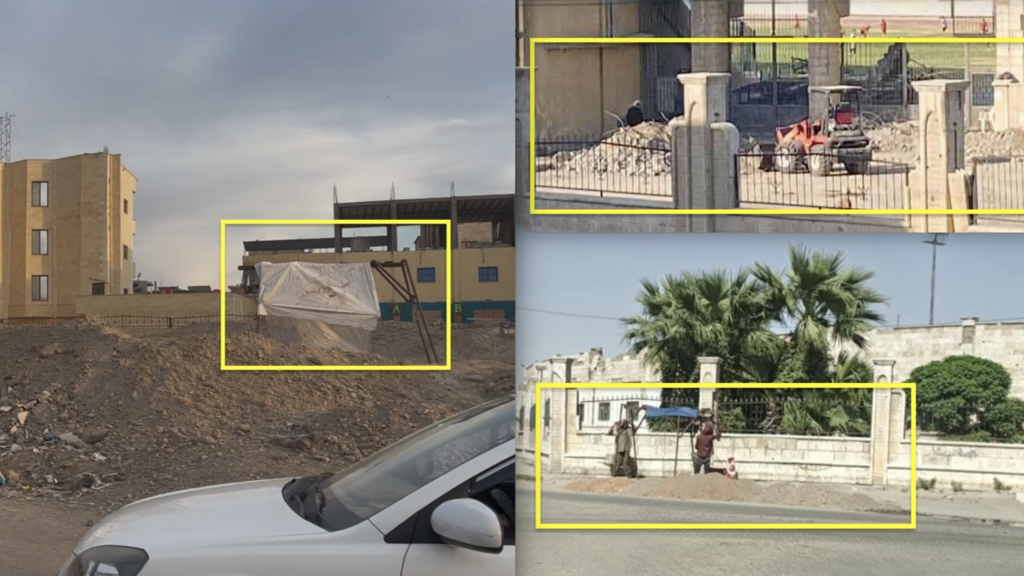
Simultaneously, the situation in Raqqa raises alarms among residents and observers alike. Reports indicate that the construction of new tunnels in residential neighborhoods has sparked fears of renewed conflict. Local sources have expressed concern that these developments could signal a preparation for further hostilities, as the Syrian government and the Syrian Democratic Forces (SDF) continue to navigate a fragile agreement that is set to expire on March 10, 2026.
Residents have voiced trepidation over the implications of these tunnels, suggesting that they could be used for military purposes, thereby endangering civilian lives and exacerbating the already dire humanitarian situation in the region. The potential for conflict to reignite in a city that was once a stronghold for ISIS only adds to the complexity of Syria's ongoing crisis.
Background on the Current Situation
Syria has been in a state of civil war since 2011, leading to significant loss of life and mass displacement. The fall of the Assad regime in late 2024 has further complicated the dynamics within the country, with various factions vying for control. The SDF, a coalition of Kurdish and Arab fighters, has been a critical partner for the U.S. in the fight against ISIS. However, as the political landscape evolves, tensions between different groups continue to simmer.
The construction of tunnels in Raqqa could be indicative of attempts by various factions to assert dominance in the area, heightening fears of renewed violence. As the March agreement between the Syrian government and the SDF approaches its conclusion, the potential for conflict escalation remains a pressing concern for both local inhabitants and international observers.
Conclusion: A Fragile Future
The dual developments of U.S. military operations against ISIS and the construction of tunnels in Raqqa highlight the precarious balance of power in Syria. While the fight against ISIS remains a priority, the specter of renewed conflict looms large as various factions prepare for an uncertain future. The situation in Syria continues to evolve, and both local and international actors will need to navigate these complexities carefully to avoid further deterioration of an already volatile environment.






