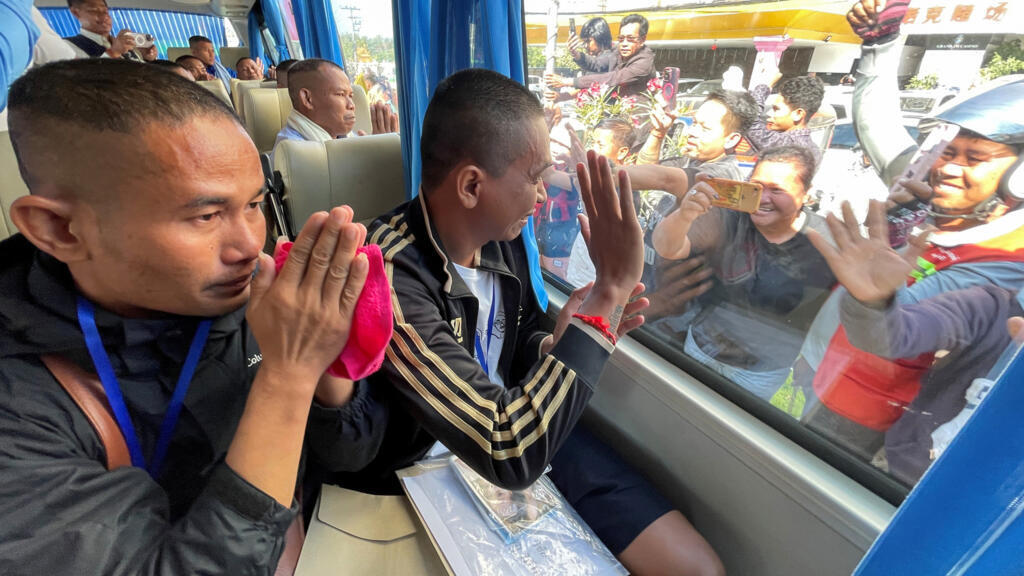

Renewed Ceasefire Along Thai-Cambodia Border Following Deadly Clashes
In a significant development, Thailand has released 18 Cambodian soldiers who had been held captive since July, coinciding with a new ceasefire agreement reached on December 30, 2025. This ceasefire comes after weeks of intense and deadly clashes along the Thai-Cambodia border, which have resulted in high casualties and a humanitarian crisis affecting over a million individuals.
The recent clashes, which reignited in December, have escalated tensions between the two Southeast Asian nations, leading to increased military engagements and significant loss of life. Reports indicate that dozens have been killed since the fighting resumed, exacerbating an already volatile situation that has seen ongoing disputes over territorial claims along the border.
The release of the Cambodian soldiers is seen as a positive step towards stabilizing the situation in the region. The ceasefire agreement, signed on Saturday, aims to halt hostilities and allow for humanitarian assistance to reach those affected by the conflict. In a statement, a Thai military spokesperson emphasized the importance of peace and cooperation, urging both sides to adhere to the terms of the ceasefire.
This latest conflict has its roots in long-standing territorial disputes, particularly in areas near the Preah Vihear Temple, which has been a flashpoint for tensions in the past. The location has historical significance and has been the subject of disputes between Thailand and Cambodia for decades, often leading to military confrontations and diplomatic strife.
The humanitarian implications of the recent clashes cannot be understated. As fighting intensified, reports indicated that more than a million people were displaced, fleeing their homes to escape the violence. Aid organizations are now mobilizing to provide necessary support, but access remains a challenge due to ongoing insecurity in the border region.
The ceasefire agreement is expected to facilitate the delivery of humanitarian aid and allow for dialogue between the two governments. Analysts suggest that sustained peace will depend on the willingness of both sides to engage in constructive negotiations and address the underlying issues fueling the conflict.
In conclusion, while the release of the Cambodian soldiers and the new ceasefire agreement provide a glimmer of hope for peace, the path forward remains fraught with challenges. Continued vigilance and diplomatic efforts will be essential to prevent further escalation and to ensure the safety and well-being of those affected by the ongoing conflict at the Thai-Cambodia border.






