
Recent Volcanic Activity in Italy: Stromboli and Etna Eruptions
Italy's renowned volcanoes, Stromboli and Etna, are experiencing significant volcanic activity that has prompted monitoring and alerts from geological authorities. Both volcanoes have shown ongoing eruptions since January 3, 2026, with the severity classified as medium.
Stromboli, one of the most active volcanoes in the world, has been consistently erupting, characterized by intermittent explosions. The latest activity has seen increased frequency and intensity of eruptions, resulting in the emission of ash and volcanic gas. Residents and tourists in the vicinity have been advised to remain vigilant due to the potential hazards associated with these eruptions.
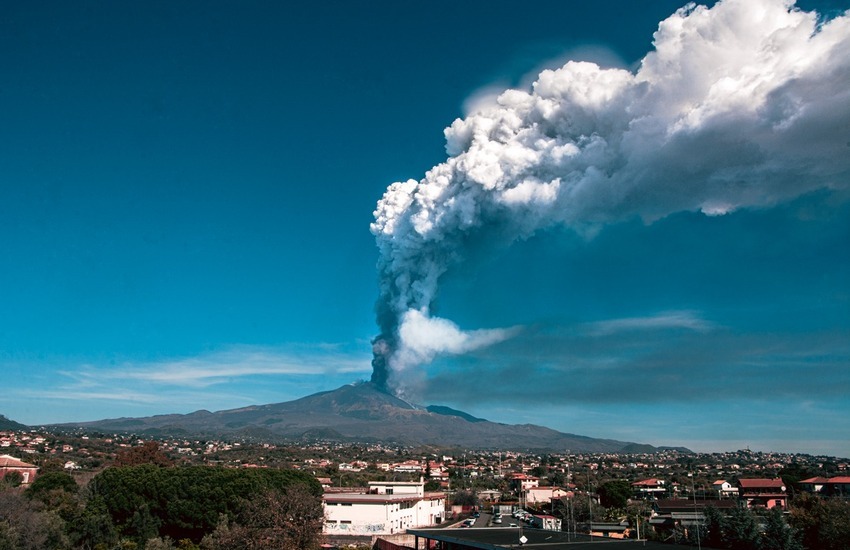
Similarly, Mount Etna, Europe's highest and most active volcano, has been displaying significant volcanic activity. Reports indicate that the lava flow from the recent eruptions has reached a height of approximately 1,360 meters, marking a notable advancement of the lava front. This development poses potential risks to nearby communities and infrastructure, prompting local authorities to implement precautionary measures.
The Italian Institute of Geophysics and Volcanology (INGV) has been closely monitoring both volcanoes, providing real-time updates on their activity. The INGV emphasizes the importance of adhering to safety protocols and remaining aware of evacuation routes in case of an emergency. Experts continue to study the geological activity to better understand the dynamics of these eruptions and their potential impact on the surrounding areas.
Background on Stromboli and Etna
Stromboli, located in the Tyrrhenian Sea, is famous for its regular explosive eruptions, which have been ongoing for centuries, earning it the nickname "Lighthouse of the Mediterranean." The volcano's activity is largely characterized by small, frequent eruptions that can occur multiple times an hour, making it a popular destination for tourists.
Mount Etna, situated on the east coast of Sicily, has a long history of eruptions, with its activity varying from effusive lava flows to explosive events. The volcano is a UNESCO World Heritage site and a significant geological feature that attracts researchers and visitors alike. Despite its beauty, Etna poses risks to nearby towns, including Catania and Taormina, where populations are directly affected by volcanic activity.
Conclusion
As both Stromboli and Etna continue to show active geological phenomena, authorities remain on high alert. The ongoing eruptions serve as a reminder of the powerful natural forces at play in Italy's volcanic landscape. Residents and visitors are encouraged to stay informed about the latest developments and follow guidance from local authorities to ensure safety in the wake of these natural events.