
Recent Volcanic Activity in Italy: Stromboli and Etna Erupt
Italy's iconic volcanoes, Stromboli and Etna, have both shown significant signs of activity as of January 3, 2026. The eruptions, classified as medium severity, have prompted heightened alert levels and monitoring by geological authorities, raising concerns for local residents and the surrounding environment.
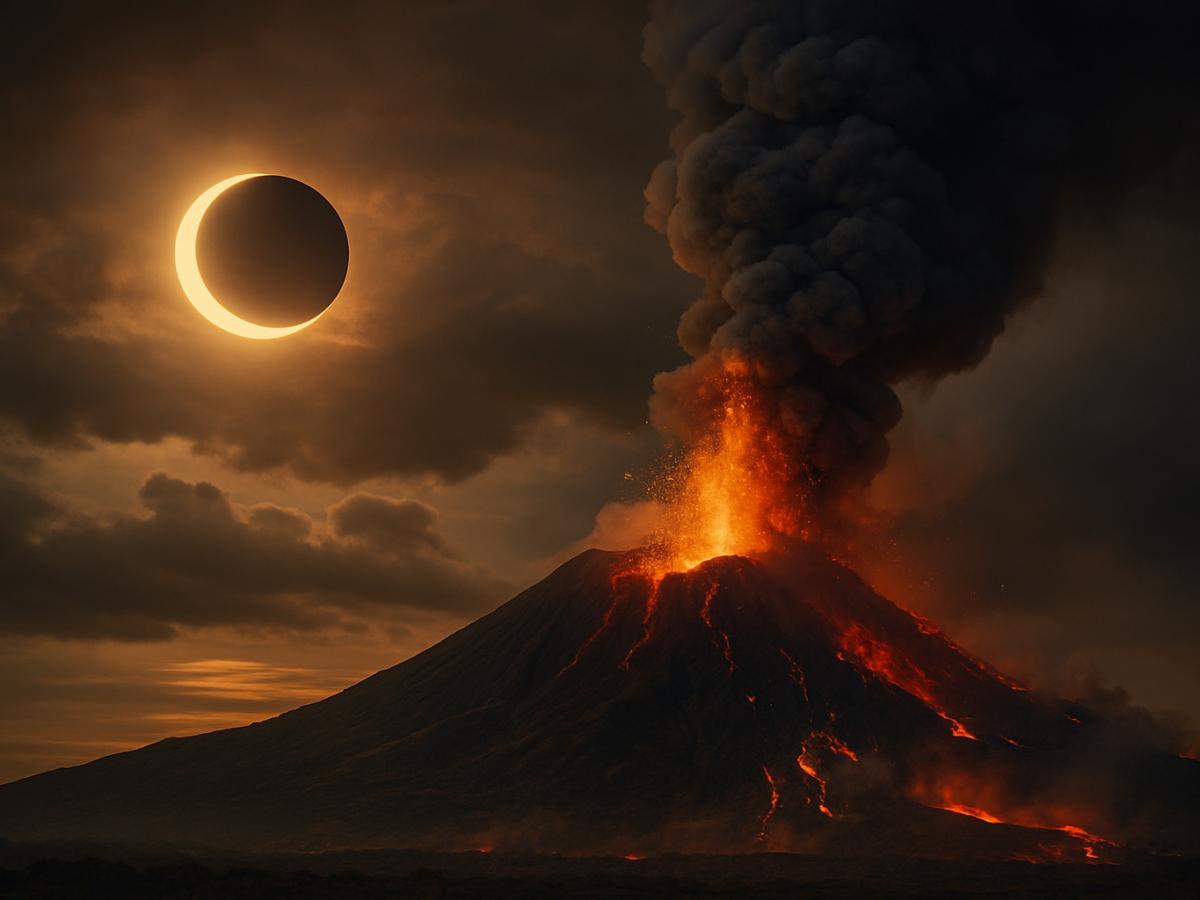
Stromboli, one of the most active volcanoes in the world, has been exhibiting continuous activity with explosive eruptions. The latest activity began early in the morning on January 3, marked by bursts of volcanic material and ash emissions. This ongoing activity is characteristic of Stromboli, which has a reputation for frequent mild eruptions that can occasionally escalate.
Etna, located on the east coast of Sicily, is equally renowned for its volatility. It has also displayed signs of heightened activity since January 3. While the eruptions at Etna are typically less explosive than those at Stromboli, they can still pose risks in terms of ash fallout and lava flows affecting nearby communities.
Both volcanoes are closely monitored by the Italian National Institute of Geophysics and Volcanology (INGV), which provides real-time updates on seismic activity and potential hazards. INGV has urged caution, advising residents and visitors in the vicinity to stay informed about the latest developments and adhere to safety protocols.
Context and Background
Stromboli has a long history of eruptions dating back centuries, often characterized by its "Strombolian" eruption style, where gas-charged lava erupts in small bursts, creating a spectacular display of fire and ash. The island, part of the Aeolian archipelago, is a UNESCO World Heritage site and is known for its picturesque landscapes, attracting tourists despite the constant threat of volcanic activity.
Mount Etna, the highest volcano in Europe, is also one of the most active in the world. Its eruptions have been documented for over 2,500 years, and it has a complex eruptive history. The volcano is particularly notable for its diverse range of eruption styles, including effusive lava flows and explosive eruptions that can impact air travel due to ash clouds.
Conclusion
As both Stromboli and Etna continue to exhibit volcanic activity, authorities remain vigilant to ensure the safety of local populations. The situation underscores the dynamic nature of Italy's volcanic landscape, where geological forces shape not only the terrain but also the lives of those who inhabit it. Residents and visitors are advised to stay updated through official channels as monitoring efforts continue.