
Recent Terrorism Events Shake India: ISI Suspected in Himachal Pradesh Blast
Recent incidents of terrorism in India have raised alarms among security forces and local communities, particularly following a blast in Nalagarh, Himachal Pradesh. Authorities suspect that the Pakistan-based Inter-Services Intelligence (ISI) may be behind the attack, with local groups claiming responsibility but believed to be acting on the ISI's behalf. This event marks a significant concern as India continues to grapple with security threats emanating from across its borders.
On January 2, 2026, an explosion occurred in Nalagarh, a town known for its industrial activities. Following the incident, Punjab police began investigations, linking the explosion to a broader pattern of cross-border terrorism attributed to the ISI. Local police officials have stated that while specific groups have claimed responsibility, these claims are likely orchestrated to mask the influence of the ISI in the region.
The blast in Himachal Pradesh comes at a time when tensions between India and Pakistan remain high, particularly regarding Pakistan's alleged support for terrorism targeting India. Security experts have noted that such incidents not only threaten civilian safety but also undermine regional stability and security efforts.
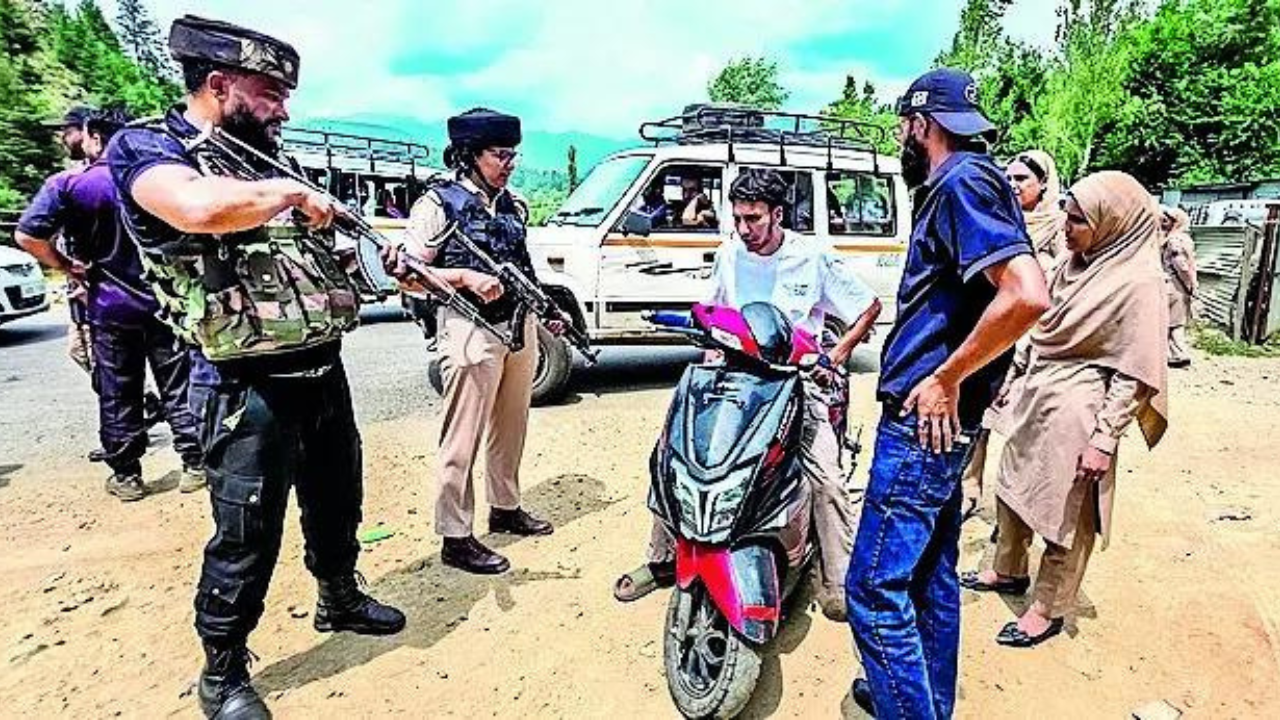
In a related development, an anti-terror operation was launched in Doda, Jammu and Kashmir, following reports of suspicious movements by a member of the Village Defense Group (VDG). The operation, initiated on January 4, 2026, reflects ongoing vigilance by Indian security forces in a region that has been a hotbed for militant activity. Local authorities are on high alert, given that the VDG has been a critical component in community-based security initiatives aimed at countering terrorism.
The combination of these events highlights the persistent threat of terrorism in India, particularly from groups operating with alleged support from foreign intelligence agencies. The involvement of the ISI in orchestrating attacks within Indian territory raises concerns about the effectiveness of existing counter-terrorism measures and the need for enhanced intelligence-sharing between security agencies.
In the context of these developments, security analysts emphasize the importance of community engagement in counter-terrorism efforts. Local groups and defense forces are encouraged to remain vigilant and report any suspicious activities that could indicate potential threats.
Background
India has faced numerous challenges related to terrorism, particularly from groups based in Pakistan. The ongoing conflict over Kashmir and historical grievances have fueled a cycle of violence, leading to increased military presence and counter-terrorism operations in affected areas. The ISI has been accused of providing support to various militant outfits that operate within India, complicating peace efforts between the two nations.
As the situation unfolds, the focus remains on enhancing security protocols, fostering community resilience, and addressing the underlying issues that contribute to terrorism in the region. The government is urged to strengthen its intelligence apparatus and collaborate with international partners to mitigate the risks posed by terrorism and safeguard the lives of its citizens.
In conclusion, the recent blast in Himachal Pradesh and the ongoing anti-terror operations in Doda underscore the urgent need for comprehensive strategies to combat terrorism in India. With external influences complicating the landscape, authorities face the dual challenge of ensuring immediate security while also pursuing long-term solutions to address the root causes of radicalization and violence.






