
Recent Earthquakes Shake Mexico, Causing Alarm and Disruption
Two significant earthquakes struck Mexico in early January 2026, causing alarm and prompting concerns over structural integrity and public safety. The first quake, a powerful 6.5 magnitude event, occurred near Rancho Viejo, followed by additional tremors of lower magnitudes across the region.
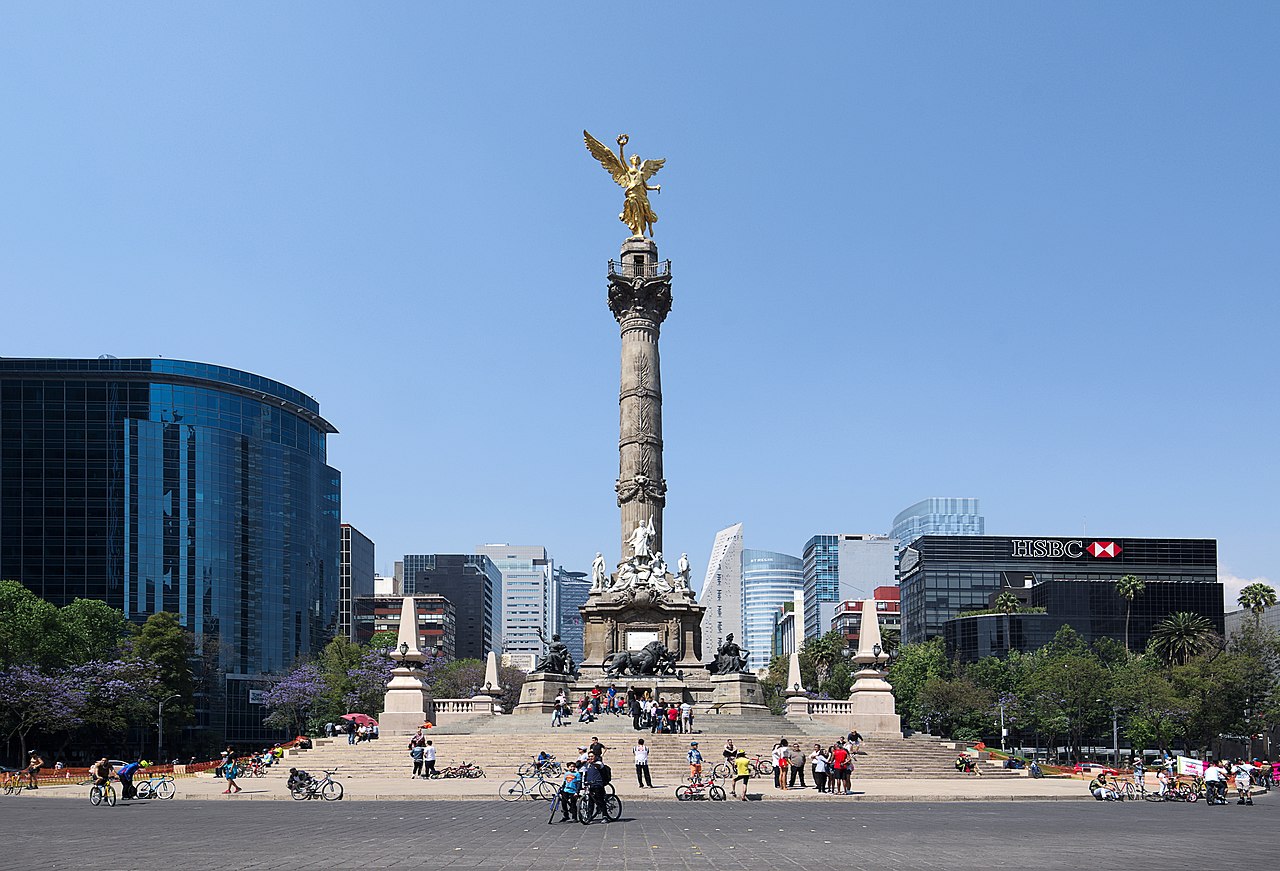
The most intense earthquake, measured at a magnitude of 6.5, struck approximately 4 kilometers north-northwest of Rancho Viejo at 1:58 PM UTC on January 2, 2026. This quake, which originated at a depth of 35 kilometers, was felt across a wide area, including nearby urban centers where residents reported swaying buildings and rattling windows. The tremors were strong enough to cause panic among inhabitants, leading many to evacuate tall structures as a precautionary measure.
Shortly after, at 3:37 PM UTC the same day, a second earthquake registered at a magnitude of 4.5, occurring 5 kilometers north-northwest of Las Vigas at the same depth of 35 kilometers. This was followed by another 4.5 magnitude quake occurring at 5:00 PM UTC, just 3 kilometers south-southeast of San Marcos, but at a shallower depth of 24 kilometers. Although these later tremors were of lower severity, they still contributed to the overall unease in the region.
Additionally, a smaller earthquake of magnitude 2.9 was recorded on December 30, 2025, about 48 kilometers east-southeast of Golfo de Santa Clara. This quake occurred at a depth of 5.7 kilometers and, while classified as high severity, was less impactful compared to the subsequent January events.
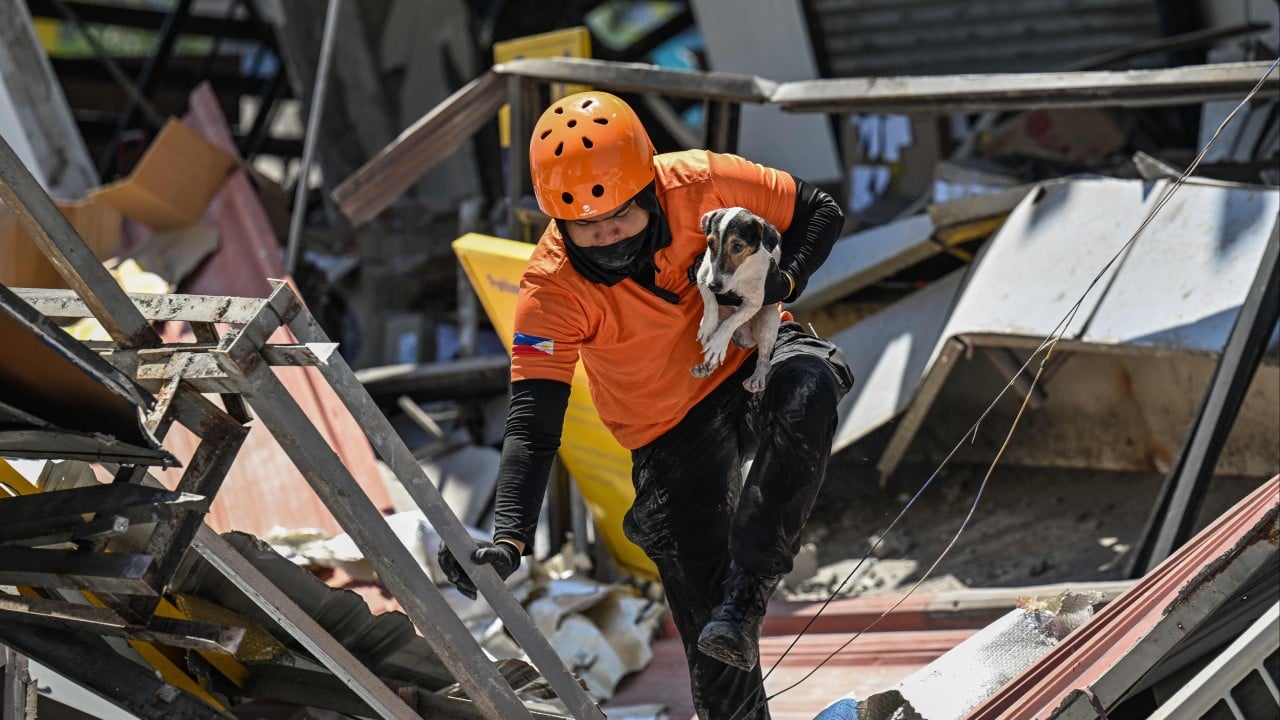
The Mexican authorities are currently assessing the impact of these earthquakes. As of now, there have been no official reports of injuries or significant structural damage, although emergency services remain on alert for potential aftershocks. The National Seismological Service of Mexico is closely monitoring the situation, advising residents to stay cautious and prepared for further seismic activity.
Background on Seismic Activity in Mexico
Mexico is situated in a seismically active region known as the "Ring of Fire," which is characterized by frequent earthquakes and volcanic eruptions due to tectonic plate interactions. The country has experienced several significant seismic events in the past, including the devastating earthquakes in 1985 and 2017 that resulted in substantial loss of life and property.
As part of ongoing efforts to enhance earthquake preparedness, Mexican authorities have implemented early warning systems and public education campaigns aimed at minimizing the impact of future quakes. Residents are encouraged to familiarize themselves with safety protocols and to participate in drills organized by local governments.
Conclusion
The recent earthquakes in Mexico serve as a stark reminder of the country's vulnerability to seismic events. While the immediate danger appears to have subsided, authorities continue to monitor the situation closely. Residents are urged to remain vigilant and to heed any advisories from emergency services as they navigate the aftermath of these tremors. The potential for aftershocks remains, and preparedness remains key in a region prone to such natural disasters.