
Recent Earthquake in Mexico Triggers Over 900 Aftershocks
On December 30, 2025, a significant earthquake with a magnitude of 2.9 struck approximately 48 kilometers east-southeast of Golfo de Santa Clara, Mexico. The quake, which occurred at a depth of 5.7 kilometers, is part of a series of seismic events that have impacted the region, causing widespread concern among residents and officials alike.
Reports indicate that the initial earthquake has been followed by a staggering number of aftershocks, with at least 546 recorded in the days following the main event. This level of seismic activity has raised alarms among seismologists, as patterns of aftershocks can often indicate the potential for further substantial quakes.
Impact on Communities
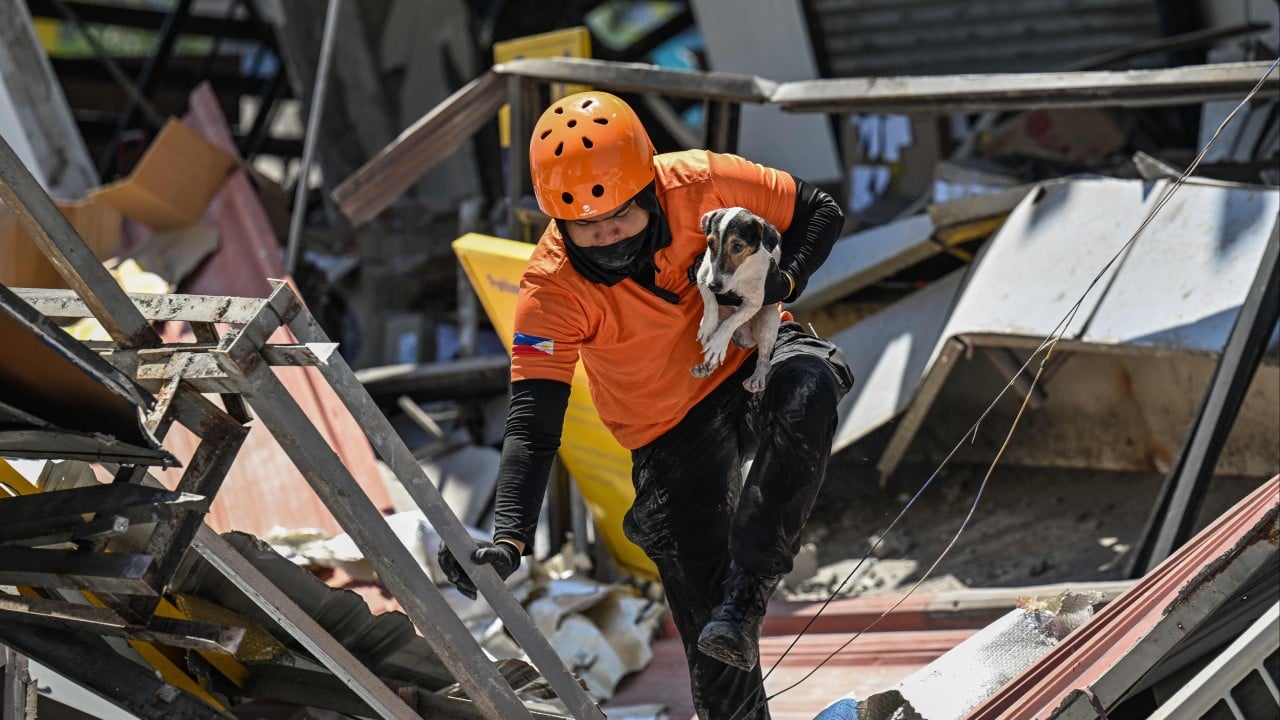
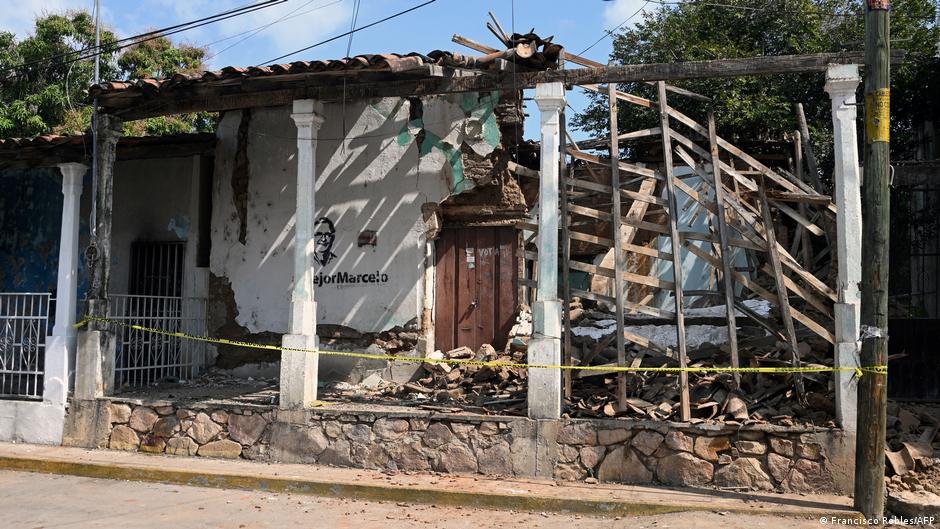
The earthquake has not only caused anxiety among the local population but also led to physical damage in some areas. Authorities have mobilized emergency services to assess the extent of the damage and provide assistance to affected communities. Residents have been urged to remain vigilant, as aftershocks can lead to additional risks, particularly in structurally weak buildings.
Social media has been flooded with accounts from people who experienced the tremor. Notably, journalist Jorge Rial provided a firsthand account of the harrowing experience, describing it as a "terrible earthquake" and expressing relief at having escaped unharmed. Public figures and ordinary citizens alike have shared their experiences, highlighting the emotional toll such natural disasters can take.
Public Reactions and Cultural Responses
The cultural impact of the earthquake has also been notable. Social media reactions have ranged from expressions of concern to humorous takes on the situation. For instance, Mexican celebrity José Eduardo Derbez made a sarcastic remark regarding the earthquake, reflecting a coping mechanism that many adopt in the face of fear. This blend of humor and anxiety underscores a cultural resilience in dealing with natural disasters.
Moreover, discussions have emerged about traditional practices for dealing with earthquakes, including the questioning of whether certain cultural beliefs, such as consuming "bolillo" (a type of bread) for comfort, are effective in alleviating the psychological effects of seismic events. This conversation has been highlighted in studies from the National Autonomous University of Mexico (UNAM).
Background on Seismic Activity in Mexico
Mexico is no stranger to seismic activity, situated on the Pacific Ring of Fire, where multiple tectonic plates converge. The country experiences numerous earthquakes annually, with varying magnitudes and impacts. The December 30 event is part of a broader pattern of seismic events that have historically affected the region.
In addition to the recent tremors, the country has been grappling with larger earthquakes, including a more significant magnitude 6.5 quake that had previously set off over 900 aftershocks, shaking communities and prompting a reassessment of emergency preparedness protocols.
Conclusion
As Mexico continues to deal with the aftermath of the recent earthquake and its numerous aftershocks, the focus remains on ensuring community safety and enhancing preparedness for future seismic events. Authorities are actively monitoring the situation and providing support to residents as they navigate the challenges posed by these natural disasters. The resilience of the Mexican people, coupled with ongoing discussions about cultural responses to earthquakes, paints a complex picture of life in a seismically active region.