
Recent Accidents in India Prompt Probes: Yamuna Expressway Crash Leaves Two Missing, Ordnance Factory Blast Kills Nine
New Delhi/Bhandara, India – Two significant accidents in India within the past week have raised serious safety concerns, leading to government investigations. A high-speed collision on the Yamuna Expressway left two victims untraced, prompting authorities to form a dedicated probe panel, while the National Green Tribunal (NGT) has ordered criminal action against an ordnance factory administration following a blast that claimed nine lives.
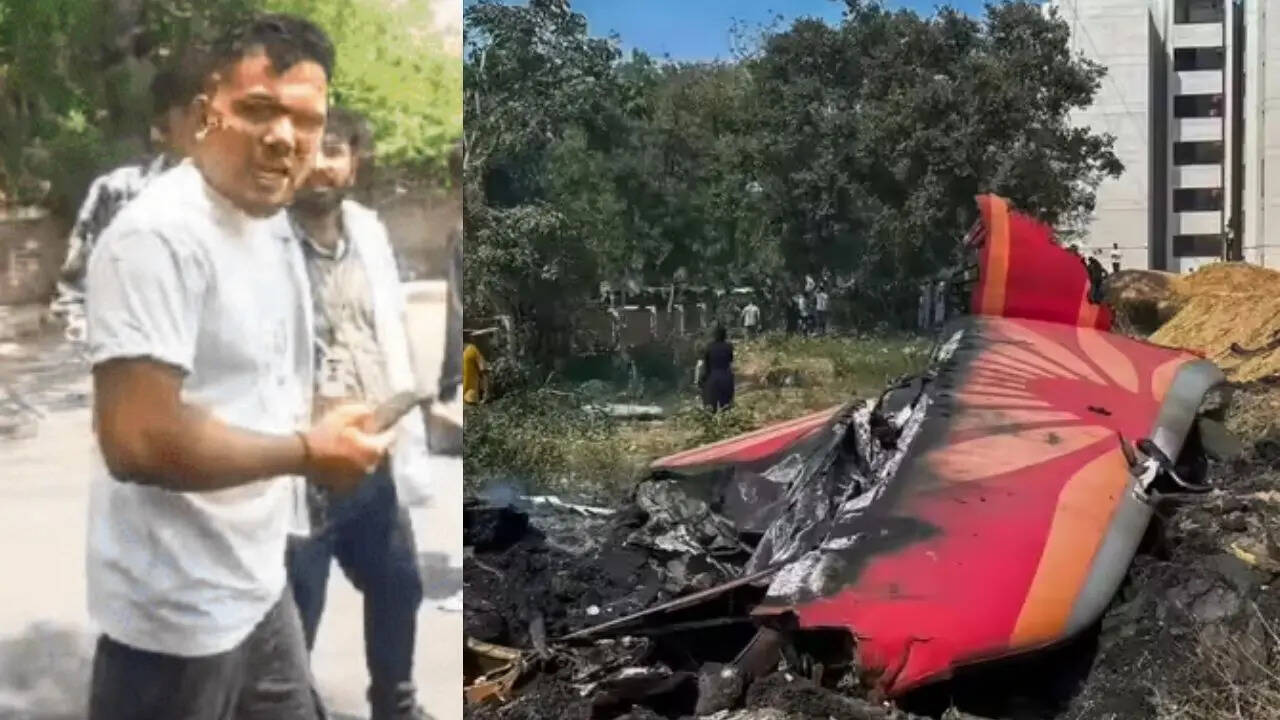
The Yamuna Expressway incident occurred on Saturday, January 3, 2026, at around 6:06 PM GMT. Described as a high-severity crash, the accident involved vehicles on the crucial 165-km six-lane controlled-access highway connecting Greater Noida in Uttar Pradesh to Agra. The expressway, operational since 2012 and managed by Jaypee Group under a public-private partnership, has been a vital artery for commuters traveling between Delhi's National Capital Region and the Taj Mahal city. However, it has a history of fatal accidents due to high speeds, poor visibility in fog, and occasional vehicle breakdowns. In this case, two individuals remain untraced amid the wreckage, underscoring challenges in rescue operations on such high-traffic corridors. The Uttar Pradesh government swiftly responded by constituting a probe panel to investigate the causes, including potential factors like speeding, lane discipline, and infrastructure maintenance.
Details of the crash are still emerging, with local authorities coordinating search efforts and forensic teams analyzing the scene. The expressway, designed for speeds up to 100 km/h, sees millions of vehicles annually, and past incidents have highlighted recurring issues such as inadequate emergency response times and lighting deficiencies during night hours. No official casualty figures beyond the missing persons have been released, but the event has intensified calls for stricter enforcement of traffic rules and advanced surveillance systems along the route.
In a separate tragedy, a massive blast at an ordnance factory in Bhandara, Maharashtra, killed nine workers, leading to sharp regulatory action. The incident, which occurred prior to the NGT's ruling reported on Tuesday, January 6, 2026, took place at a facility operated by Munitions India Ltd., a state-owned entity under the Ministry of Defence responsible for manufacturing ammunition and explosives. The NGT, acting on environmental and safety violations, held the factory administration accountable for contravening the Factories Act, 1948, which mandates stringent safety protocols in hazardous industries.
The tribunal directed the Bhandara district collector to initiate criminal proceedings against the unit, subject to approval from the central government. This order stems from findings of "serious safety norm violations," including lapses in handling explosive materials and failure to adhere to occupational health standards. Ordnance factories across India, numbering around 41 under the Ordnance Factory Board (now corporatized into several entities), have faced scrutiny in the past for similar mishaps, though this blast stands out for its scale. The NGT's intervention underscores its expanding role in overseeing industrial accidents with environmental implications, often triggered by hazardous waste or emissions from such sites.
Bhandara, located in eastern Maharashtra, hosts the factory as part of India's defence production ecosystem, which supplies munitions to the armed forces. The blast disrupted operations and prompted compensation announcements for the victims' families, though specifics remain pending. Labour unions have long flagged understaffing and outdated equipment in these facilities, contributing to vulnerability.
These incidents occur against a backdrop of rising accident rates in India. According to government data from the Ministry of Road Transport and Highways, over 1.68 lakh road accidents were reported in 2022 alone, killing more than 1.5 lakh people, with expressways accounting for a disproportionate share due to higher velocities. Industrial accidents, meanwhile, claim thousands annually, with the Directorate General Factory Advice Service noting frequent violations in chemical and explosive sectors. The Yamuna probe panel and NGT directive signal a push for accountability, potentially leading to policy reforms.
As investigations continue, emergency services and regulators are on high alert. The Uttar Pradesh probe is expected to submit preliminary findings soon, while the Bhandara case awaits central nod for prosecution. These events highlight ongoing challenges in balancing infrastructure growth and industrial output with public safety in India's rapidly developing economy.
(Word count: 612)