Recent Accidents in India Highlight Road and Adventure Safety Concerns: Yamuna Expressway Crash Probes Untraced Victims, Himachal Paragliding Fatalities Surge

Latest from X
Recent Accidents in India Highlight Road and Adventure Safety Concerns: Yamuna Expressway Crash Probes Untraced Victims, Himachal Paragliding Fatalities Surge
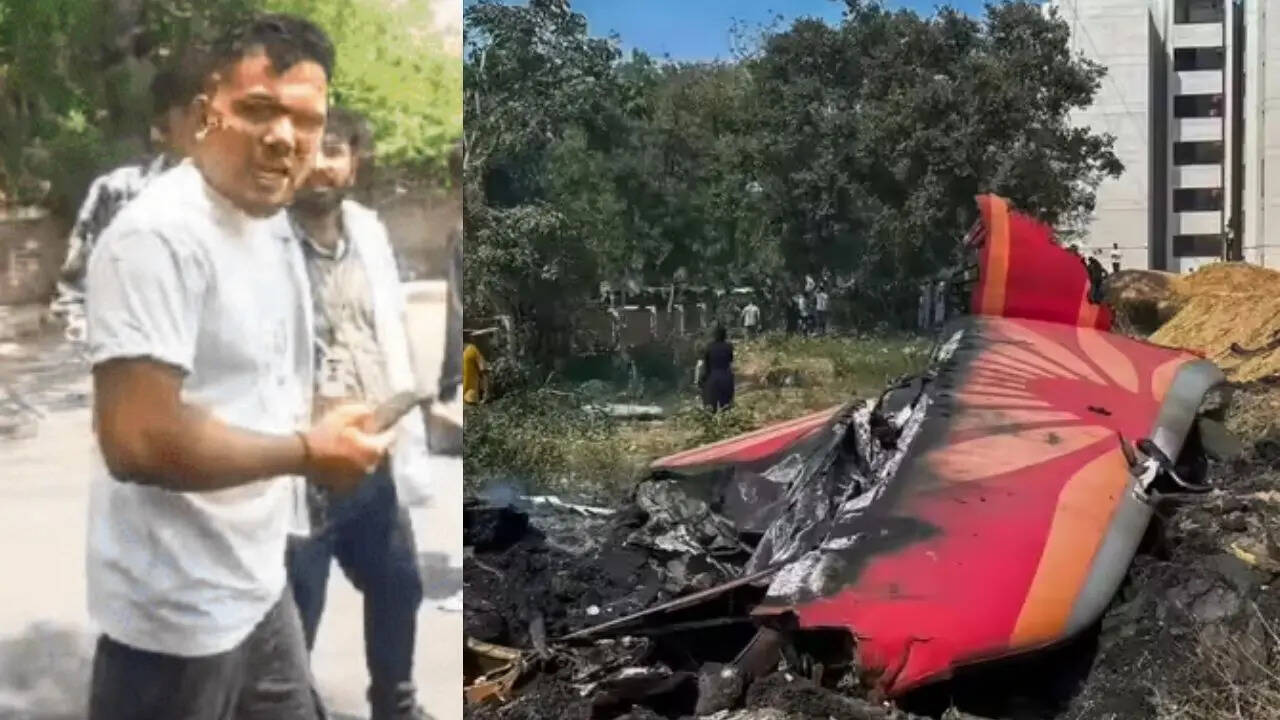
New Delhi/Bir Billing: India has been gripped by a series of high-profile accidents in early January 2026, underscoring persistent challenges in road safety and adventure tourism. A devastating crash on the Yamuna Expressway left two victims untraced, prompting the formation of a government probe panel, while Himachal Pradesh grapples with a spate of fatal paragliding incidents that have claimed lives of both locals and tourists.
The Yamuna Expressway incident, which occurred on January 3, 2026, has raised serious questions about emergency response and victim identification protocols on one of India's busiest highways. The expressway, a 165-km toll road connecting Noida in Uttar Pradesh to Agra, is notorious for high-speed collisions due to its design for rapid transit between Delhi and key tourist destinations. Details of the crash remain limited, but authorities confirmed that two individuals involved could not be located post-accident, leading to the swift constitution of a dedicated investigation panel by the Uttar Pradesh government. This panel is tasked with examining the sequence of events, vehicle conditions, and rescue operations. As of January 5, no further updates on the missing victims have been released, fueling public concern over accountability on privatized expressways managed by the Yamuna Expressway Industrial Development Authority (YEIDA).
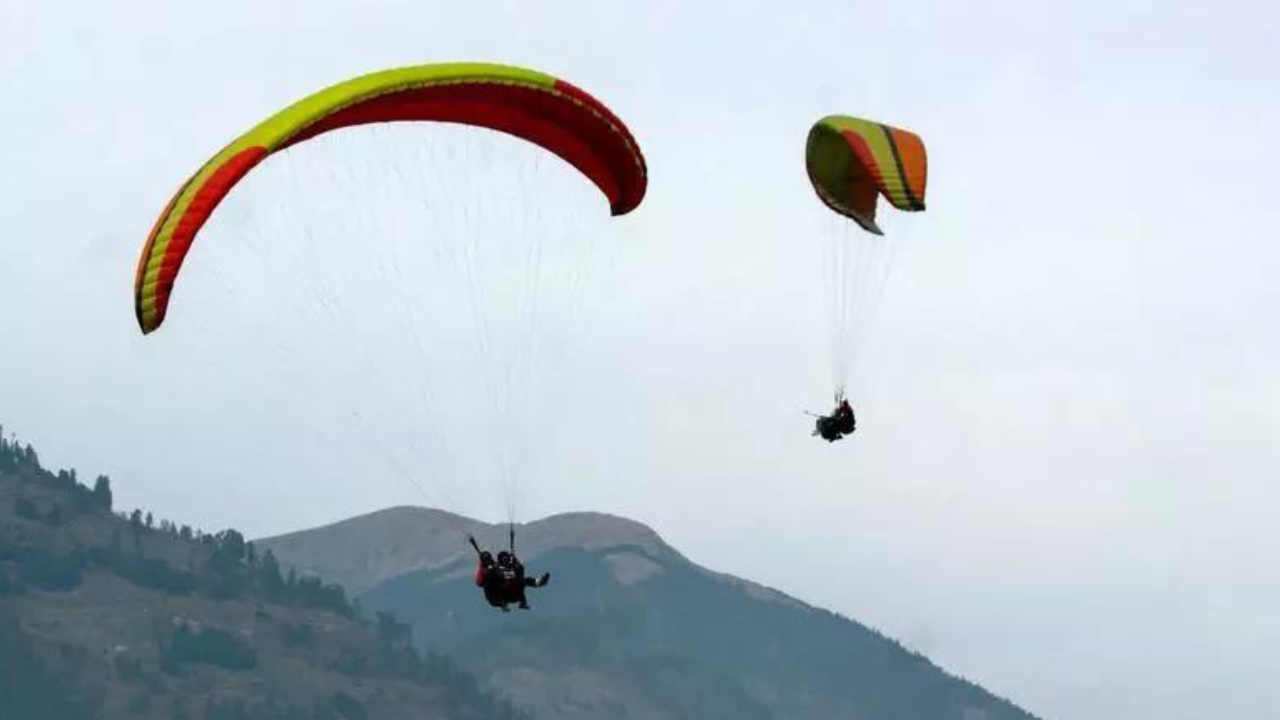
In parallel, Himachal Pradesh's adventure tourism hub has been marred by multiple paragliding crashes, drawing attention to the risks of the sport in the scenic Dhauladhar ranges. Bir-Billing in Kangra district, a global paragliding hotspot and site of the Paragliding World Cup, has witnessed a troubling rise in fatalities. Recent incidents have resulted in deaths among local pilots and foreign tourists, attributed to a combination of pilot error, equipment malfunctions, and adverse weather conditions such as sudden wind shifts and low visibility post-takeoff.
According to reports, the crashes often occur shortly after launch from the Billing take-off point, where pilots encounter turbulent thermals and unpredictable gusts at elevations exceeding 2,500 meters. Himachal Pradesh, with its snow-capped peaks and valleys, attracts thousands of adventure seekers annually, contributing significantly to the state's tourism economy—valued at over ₹12,000 crore pre-pandemic. However, the surge in accidents has prompted authorities to introduce stringent safety measures, including mandatory pilot recertification, stricter equipment inspections, and enhanced weather monitoring systems. The Himachal tourism department has also announced plans for better ground support and emergency medical evacuation protocols.
Background on India's Accident Trends
India records over 150,000 road accident deaths annually, according to National Crime Records Bureau (NCRB) data, with expressways like the Yamuna contributing disproportionately due to speeding and poor lane discipline. The Yamuna Expressway alone has seen dozens of fatalities yearly since its 2012 inauguration, despite safety features like CCTV and ambulances. Posts found on X reflect public frustration, with users highlighting recurring crashes under flyovers and on highways in Uttar Pradesh, echoing sentiments from similar incidents in Agra's Trans Yamuna area last year.
Adventure sports add another layer of risk. Paragliding in Himachal has grown exponentially, with over 10,000 flights yearly at Bir-Billing, but inadequate regulation has led to tragedies. Historical context includes a fatal crash in April 2024 at the same site, where a woman paraglider died minutes after takeoff. The current spate aligns with peak winter season, when clearer skies lure pilots but amplify thermal instability.
Outlook and Response
The Uttar Pradesh probe panel for the Yamuna crash is expected to submit preliminary findings within weeks, potentially recommending enhanced forensics and family liaison units for untraced cases. In Himachal, local administrators have curtailed unlicensed operations, mandating insurance and training from certified bodies like the Paragliding Association of India.
These incidents come amid broader national efforts, including the Union Ministry of Road Transport's push for AI-based accident prediction on highways and the Adventure Tour Operators Association of India's safety audits. As India positions itself as a tourism powerhouse—aiming for 30.5 billion USD in receipts by 2028—experts stress the need for balanced regulation to safeguard lives without stifling growth.
Public discourse on platforms like X underscores calls for accountability, with trending discussions on recent bus plunges in Uttarakhand and other mishaps amplifying demands for systemic reforms. As investigations unfold, these accidents serve as stark reminders of the human cost behind India's infrastructure and adventure booms.
(Word count: 612)
Track this story live
Original Sources
- •
Editorial process: This article was synthesized from the original sources cited above using The World Now's AI editorial system, with byline accountability from our editorial team. We grade every story for source grounding, factual coherence, and on-topic match before publication. Read more about our editorial standards and contributors. Spot something inaccurate? Let us know.
Last updated: January 23, 2026