Rajnath Singh Raises Alarm on 'White-Collar Terrorism' Following Delhi Car Bomb Blast

Latest from X
Rajnath Singh Raises Alarm on 'White-Collar Terrorism' Following Delhi Car Bomb Blast
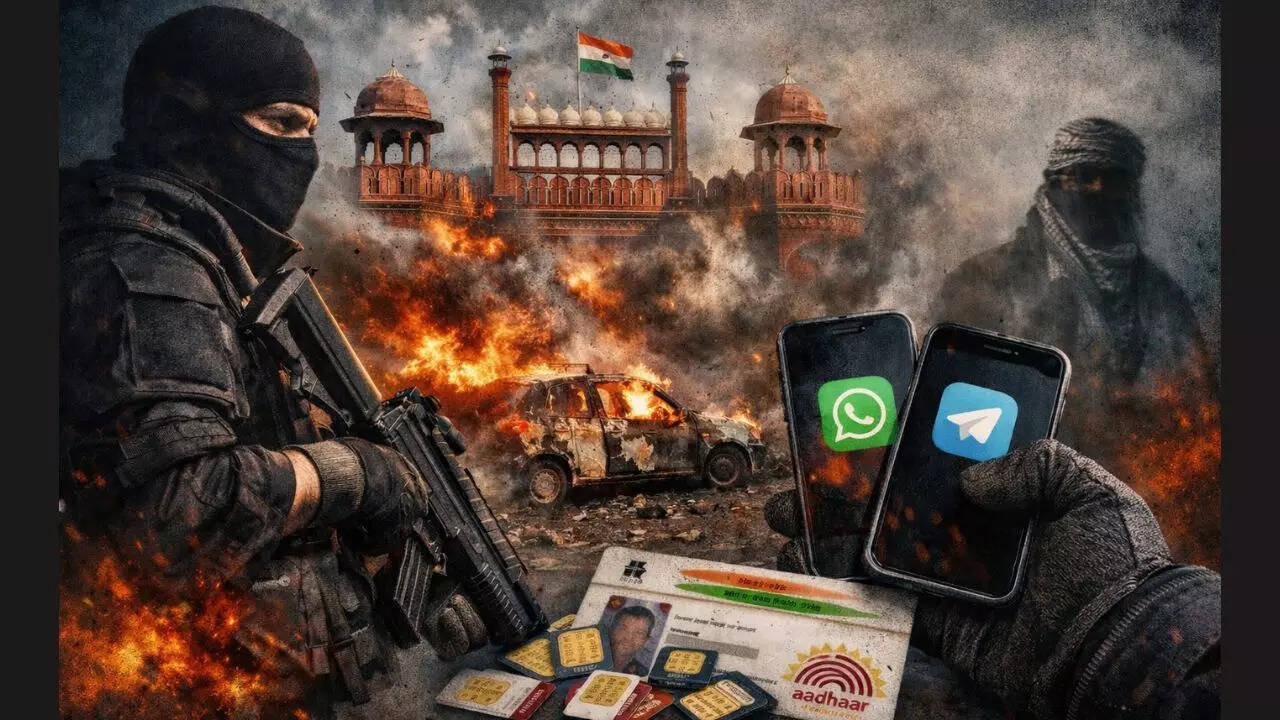
New Delhi, January 4, 2026 – Indian Defence Minister Rajnath Singh has spotlighted a disturbing trend of "white-collar terrorism" in the country, pointing to the involvement of highly educated individuals in violent acts of terror. His comments, made during a public address on January 2, come in the wake of a devastating car bomb blast near Delhi’s iconic Red Fort in November 2025, which claimed 15 lives and has since been linked to a sophisticated terror network with international connections.
Singh expressed deep concern over the changing face of terrorism in India, describing how perpetrators, including doctors and other professionals, are using their education and societal standing to mask criminal activities. “They had degrees in their hands, but RDX in their pockets,” Singh remarked, referencing the Red Fort attack, as reported by Business Today. The explosion, carried out using an i20 car packed with explosives and driven by an individual identified as Dr. Umar-un-Nabi, has sent shockwaves through the nation, highlighting a new dimension of terror threats.
Details of the Red Fort Blast and Investigation
The car bomb blast near Red Fort, which occurred in November 2025, has been under intense scrutiny by India’s National Investigation Agency (NIA). According to reports from the Times of India, the investigation has uncovered links to Pakistani handlers, with terrorists allegedly communicating through 'ghost' SIM cards—untraceable numbers used to evade detection. The probe gained momentum after posters from the banned terrorist outfit Jaish-e-Mohammad (JeM) surfaced in Srinagar in October 2025, warning of attacks on security forces. During subsequent operations, authorities seized a massive cache of arms and ammunition, including 2,900 kg of explosive materials like ammonium nitrate, potassium nitrate, and sulfur.
The NIA has made significant progress in the case, including the arrest of an alleged co-conspirator, Jasir Bilal Wani, from Srinagar. Posts on X from verified accounts indicate that Wani’s role in modifying drones and building rockets is under investigation, pointing to the sophisticated nature of the terror module behind the attack.
Rajnath Singh’s Warning on Evolving Threats
In his address on January 2, 2026, as covered by The Week, Rajnath Singh emphasized that the involvement of educated individuals in terrorism poses a unique challenge to national security. He urged society and the education system to address the root causes that lead professionals to such paths. “When a doctor, who is meant to save lives, holds RDX instead of a prescription, it is a matter of grave concern,” Singh stated, as quoted by Republic Bharat. His remarks have sparked a national conversation about the need for vigilance and reforms to prevent radicalization among educated youth.
Background: Rising Terror Threats in India
India has long grappled with terrorism, particularly in regions like Jammu and Kashmir, where groups like Jaish-e-Mohammad have historically operated with alleged support from across the border in Pakistan. However, the emergence of 'white-collar terrorism' marks a shift, as terror networks appear to be recruiting individuals with technical expertise and societal access to execute high-impact attacks. The Red Fort blast is not an isolated incident but part of a broader pattern of evolving threats, with security forces intensifying efforts to dismantle such modules.
The use of advanced communication tools like 'ghost' SIM cards and the involvement of drones, as revealed in the ongoing probe, underscore the technological sophistication of modern terror networks. This has prompted calls for enhanced cybersecurity measures and international cooperation to curb cross-border terrorism.
Outlook: Strengthening National Security
As investigations into the Delhi blast continue, the Indian government faces mounting pressure to address this new breed of terrorism. Rajnath Singh’s warnings serve as a reminder of the complex challenges ahead, requiring a multi-pronged approach that includes intelligence sharing, community engagement, and stricter monitoring of radical elements. Public sentiment, as reflected in discussions on social media platforms like X, shows widespread concern over the incident, with many calling for swift justice and preventive measures.
The Red Fort attack and the subsequent revelations about 'white-collar terrorism' have cast a spotlight on the evolving nature of security threats in India. With the NIA deepening its probe and political leaders raising awareness, the nation remains on high alert, determined to safeguard its citizens against both conventional and emerging forms of terror.
Track this story live
Live World Map
Monitor global events in real time with a live activity map and hotspot summaries.
Global Conflict Map
Follow active conflict zones, strike activity, and emerging geopolitical hotspots.
Current Wars
Track all active wars and armed conflicts happening in the world right now.
Iran War
Track the Iran war in real time with proxy network monitoring, Strait of Hormuz risk, and market impact.
Original Sources
- •
- •
- •
Editorial process: This article was synthesized from the original sources cited above using The World Now's AI editorial system, with byline accountability from our editorial team. We grade every story for source grounding, factual coherence, and on-topic match before publication. Read more about our editorial standards and contributors. Spot something inaccurate? Let us know.
Last updated: January 17, 2026






