Powerful Storm Lashes Israel, Kills Kitesurfer and Ravages Gaza Tents Amid Heavy Rains and Winds
Tel Aviv/Jerusalem/Gaza – January 10, 2026 – A severe storm packing heavy rainfall, gale-force winds, and lightning struck Israel starting Friday afternoon, January 9, resulting in at least one fatality, multiple injuries, and significant disruptions, including a lightning strike on an El Al flight that landed safely. The same weather system extended into Gaza, where powerful winds and rains destroyed thousands of tents housing displaced families, exacerbating an already dire humanitarian situation.
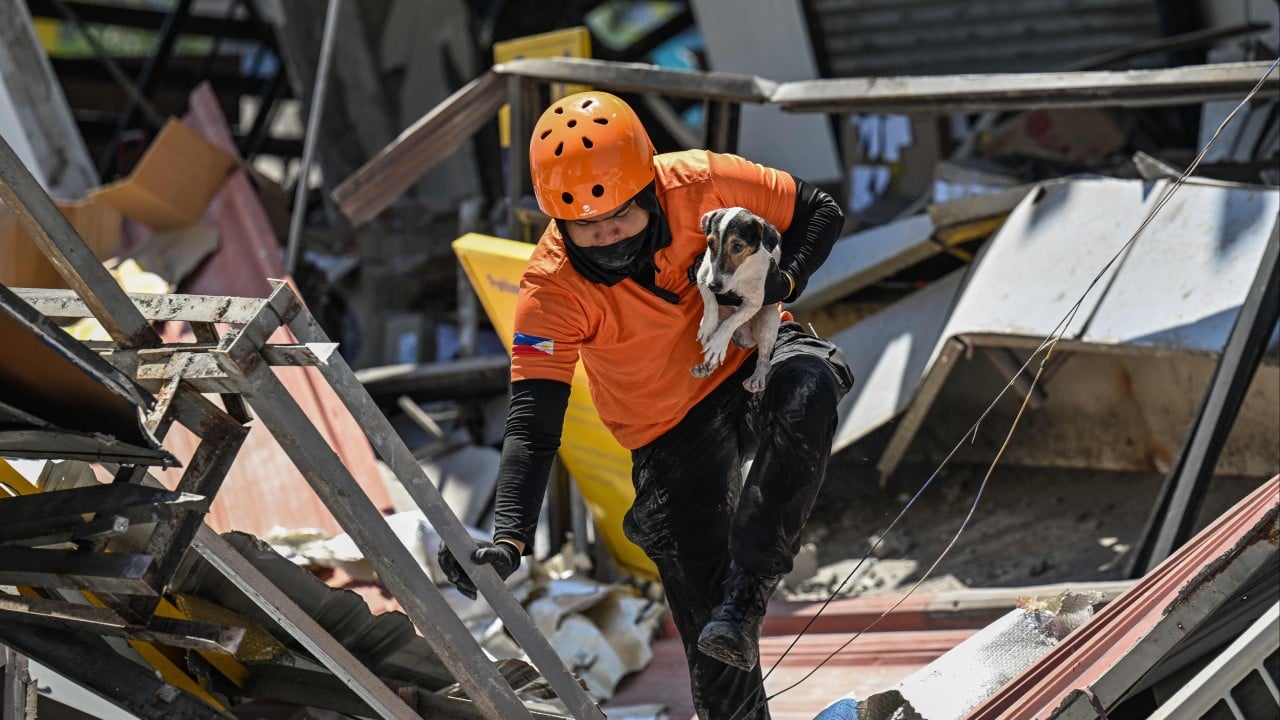
The storm, which began around 14:48 GMT on January 9, brought intense weather conditions across central and southern Israel. Emergency services reported the death of a kitesurfer caught in the high winds and rough seas, highlighting the dangers posed by the extreme conditions to outdoor enthusiasts and coastal activities. Several injuries were also recorded, primarily from wind-related accidents and flooding, though exact figures remain preliminary as rescue operations continue.
In a notable aviation incident, an El Al flight en route was struck by lightning during the storm but managed a safe landing, averting potential disaster. Aviation authorities confirmed the aircraft sustained no critical damage, and all passengers and crew were unharmed. Such events underscore the risks to air travel during Mediterranean winter storms, which often feature unstable atmospheric conditions conducive to electrical activity.
The storm's impact rippled into the Gaza Strip, where Anadolu Agency reported that severe winds and rains damaged thousands of tents sheltering displaced Palestinians. Civil defense officials described the fallout as leaving families exposed to the elements, with fears mounting of a humanitarian disaster. "The crisis is in fact man-made," Gaza Civil Defense stated, pointing to underlying vulnerabilities from ongoing conflict and displacement that have left hundreds of thousands reliant on fragile tent encampments. Published reports from Saturday, January 10, detailed how the storm shredded shelters, scattering belongings and forcing residents to seek higher ground amid flash flooding risks.
Israeli meteorological services classified the event as high severity, with wind gusts exceeding 80 km/h (50 mph) and rainfall totals surpassing 50 mm (2 inches) in some areas within hours. Coastal regions, including popular kitesurfing spots near Tel Aviv and Ashdod, bore the brunt, leading to beach closures and maritime warnings. Inland, urban flooding disrupted traffic in Jerusalem and southern cities, prompting Magen David Adom (Israel's national emergency service) to deploy teams for swift-water rescues.
Regional Weather Context
Winter storms are a recurring feature in the Eastern Mediterranean, driven by low-pressure systems originating over the Atlantic or North Africa that clash with cooler air masses from Europe. Israel's location at the convergence of these systems often results in episodes of heavy precipitation and strong Levante winds, particularly from January to March. Historical precedents include the 2010 storm that caused widespread flooding and the 2013 "Alexander" storm, which led to power outages and evacuations.
This event aligns with seasonal patterns but coincides with Gaza's protracted humanitarian challenges. Since the escalation of conflict in October 2023, over 1.9 million Palestinians in Gaza have been displaced, according to United Nations estimates, with many living in temporary tents vulnerable to even moderate weather. The storm's timing amplifies concerns, as aid organizations like UNRWA have repeatedly warned of insufficient shelter reinforcements ahead of the rainy season.
Israeli authorities have activated emergency protocols, including sandbagging in flood-prone areas and power grid reinforcements. Forecasts indicate the storm system lingering through Sunday, January 11, with additional rain and winds expected before clearing by mid-week. In Gaza, international aid groups are mobilizing tarpaulins and emergency kits, though access restrictions complicate relief efforts.
Outlook and Response
As cleanup begins, officials in Israel are assessing infrastructure damage, estimated in the millions of shekels, while urging caution against post-storm hazards like fallen power lines. The kitesurfer's death serves as a stark reminder for adherence to weather advisories from the Israel Meteorological Service.
In Gaza, the tent destruction has prompted urgent appeals from humanitarian agencies for donor support. "Displaced families are now at even greater risk of hypothermia and disease," one aid worker told Anadolu Agency. Regional cooperation on weather monitoring persists through shared early-warning systems, but political tensions limit coordinated disaster response.
The storm's toll, though contained compared to past events, illustrates the fragility of life amid extreme weather in a geopolitically charged region. Updates from emergency services and meteorologists will be critical as conditions evolve.
(Word count: 612)