Powerful Earthquakes Strike Mexico, Causing Casualties and Damage

Latest from X
Powerful Earthquakes Strike Mexico, Causing Casualties and Damage
Mexico has been struck by a series of earthquakes in recent days, with a significant 6.5-magnitude quake on January 2, 2026, causing widespread damage and loss of life in southern and central regions, followed by a smaller 2.9-magnitude tremor on December 30, 2025, near Golfo de Santa Clara. The larger event has left at least two people dead, damaged infrastructure, and disrupted daily life, while authorities remain on high alert for aftershocks.
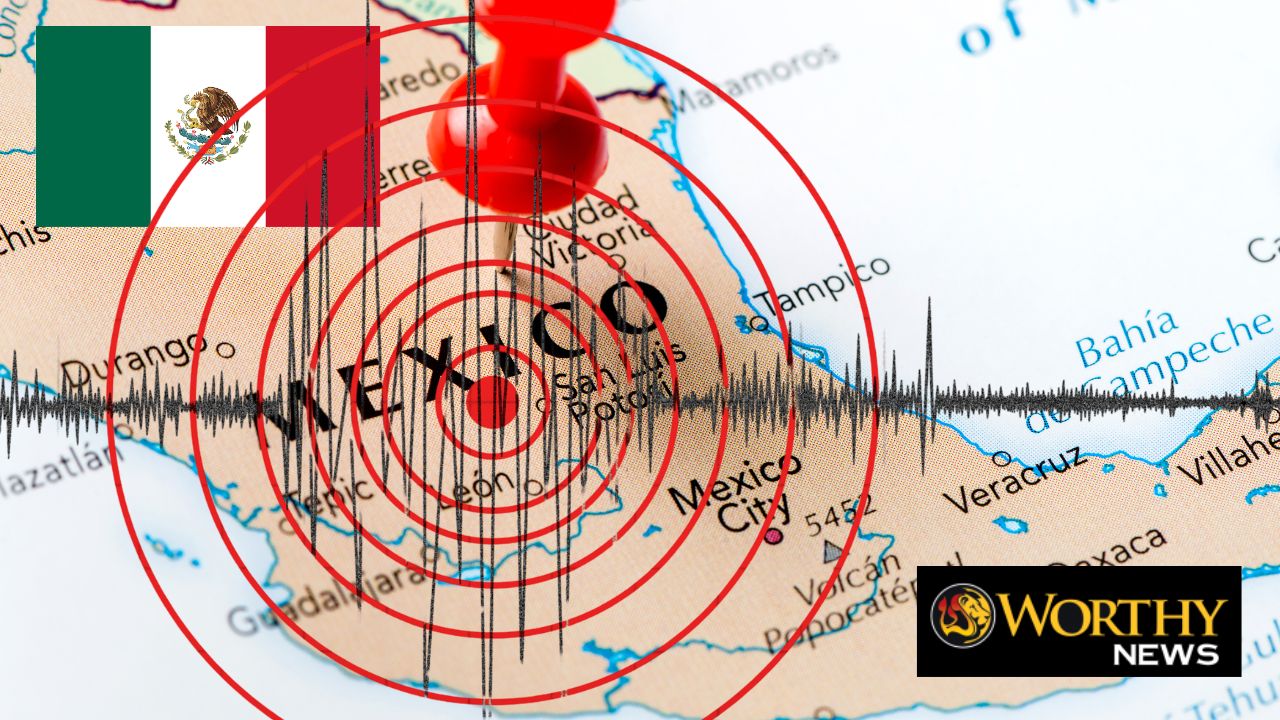
The most severe of the recent quakes, a 6.5-magnitude earthquake, struck southern Mexico on the morning of January 2, 2026, with tremors felt strongly as far as Mexico City. According to Reuters, the quake damaged roads and hospitals and even interrupted President Claudia Sheinbaum’s first press conference of the year as seismic alarms blared, forcing an evacuation. The Associated Press reported that at least two fatalities were confirmed in the aftermath, with the epicenter located in southern and central Mexico, impacting densely populated areas. The New York Times provided an interactive map showing the quake’s shake area, highlighting the extensive reach of the tremors.
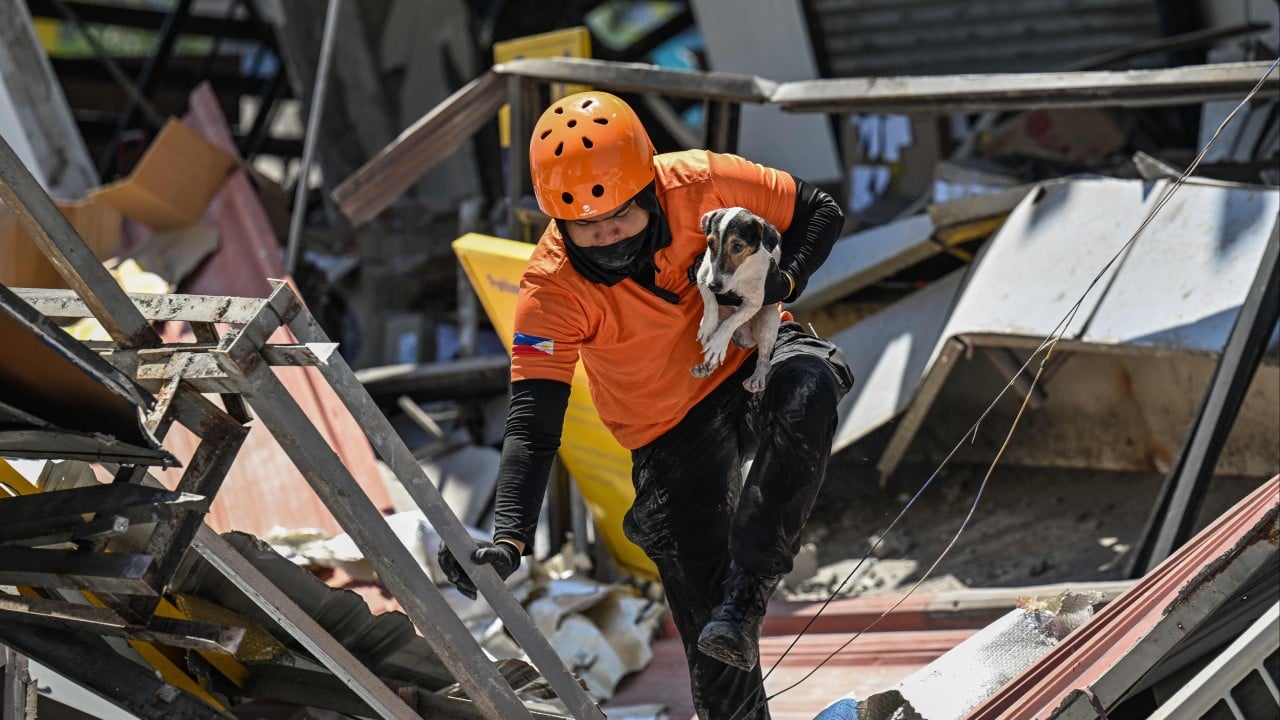
In addition to the physical destruction, the earthquake has caused significant disruption. Hospitals in affected regions have reported structural damage, complicating emergency response efforts, while damaged roads have hindered access to impacted communities. President Sheinbaum and her administration are coordinating with local authorities to assess the full extent of the destruction and provide aid to those in need.
Separately, a smaller 2.9-magnitude earthquake occurred on December 30, 2025, at a depth of 5.7 km, located 48 km east-southeast of Golfo de Santa Clara in northern Mexico. While this event was far less severe, with no immediate reports of damage or casualties, it serves as a reminder of the region’s ongoing seismic activity. The shallow depth of the quake meant it was likely felt by nearby communities, though its remote location minimized potential impact.
Background on Mexico’s Seismic Vulnerability
Mexico sits atop several tectonic plates, including the North American, Pacific, and Cocos plates, making it one of the most earthquake-prone countries in the world. The country has a tragic history of devastating quakes, including the 1985 Mexico City earthquake, which killed thousands and caused widespread destruction. Modern building codes and early warning systems have improved resilience, but challenges remain, particularly in rural areas with older infrastructure. The recent 6.5-magnitude quake underscores the persistent threat, as even moderate earthquakes can cause significant damage in densely populated or poorly prepared regions.
Public Response and Official Actions
Posts on X from verified accounts reflect the immediate public reaction to the January 2 quake, with reports of mass evacuations in Mexico City and seismic alarms sounding during the president’s briefing. Users noted the government’s swift response in monitoring for aftershocks and providing preliminary assessments that, in some areas, no major structural damage or casualties were initially reported. However, the situation remains fluid as assessments continue.
The Mexican government, alongside civil protection agencies, has mobilized resources to support affected communities following the larger quake. According to Worthy Christian News, several individuals were injured in addition to the confirmed deaths, though exact numbers are still being verified. Authorities have urged residents to remain vigilant, as aftershocks could pose further risks in the coming days.
Outlook
As Mexico grapples with the aftermath of these seismic events, attention turns to recovery and preparedness. The 6.5-magnitude earthquake on January 2 has highlighted vulnerabilities in infrastructure and the importance of rapid response mechanisms. Meanwhile, the smaller 2.9-magnitude event near Golfo de Santa Clara serves as a reminder that seismic activity can occur across diverse regions of the country, often with little warning. Experts anticipate aftershocks in the wake of the larger quake, and officials are prioritizing structural assessments and aid distribution to ensure the safety of affected populations.
The coming days will be critical as the full scope of the damage becomes clear. For now, Mexico stands resilient, drawing on decades of experience with natural disasters to navigate this latest challenge.
Track this story live
Live World Map
Monitor global events in real time with a live activity map and hotspot summaries.
Earthquakes Today
Track recent quakes, magnitudes, and the most active seismic regions.
Earthquakes Near Me
Find earthquakes near your location with live seismic proximity tracking.
Tsunami Warnings
Check current tsunami warnings, alerts, and coastal threats from seismic activity worldwide.
Original Sources
- •Powerful Quake Rocks Mexico; Several Killed And Injured— Worthy Christian News
- •
- •
Editorial process: This article was synthesized from the original sources cited above using The World Now's AI editorial system, with byline accountability from our editorial team. We grade every story for source grounding, factual coherence, and on-topic match before publication. Read more about our editorial standards and contributors. Spot something inaccurate? Let us know.
Last updated: January 12, 2026