
Philippines Raises Alert Level for Mayon Volcano as Activity Intensifies
Legazpi, Philippines – Philippine authorities have elevated the alert level at Mayon Volcano, the country's most active volcano, due to signs of heightened unrest, prompting increased monitoring and preparedness measures in surrounding communities.
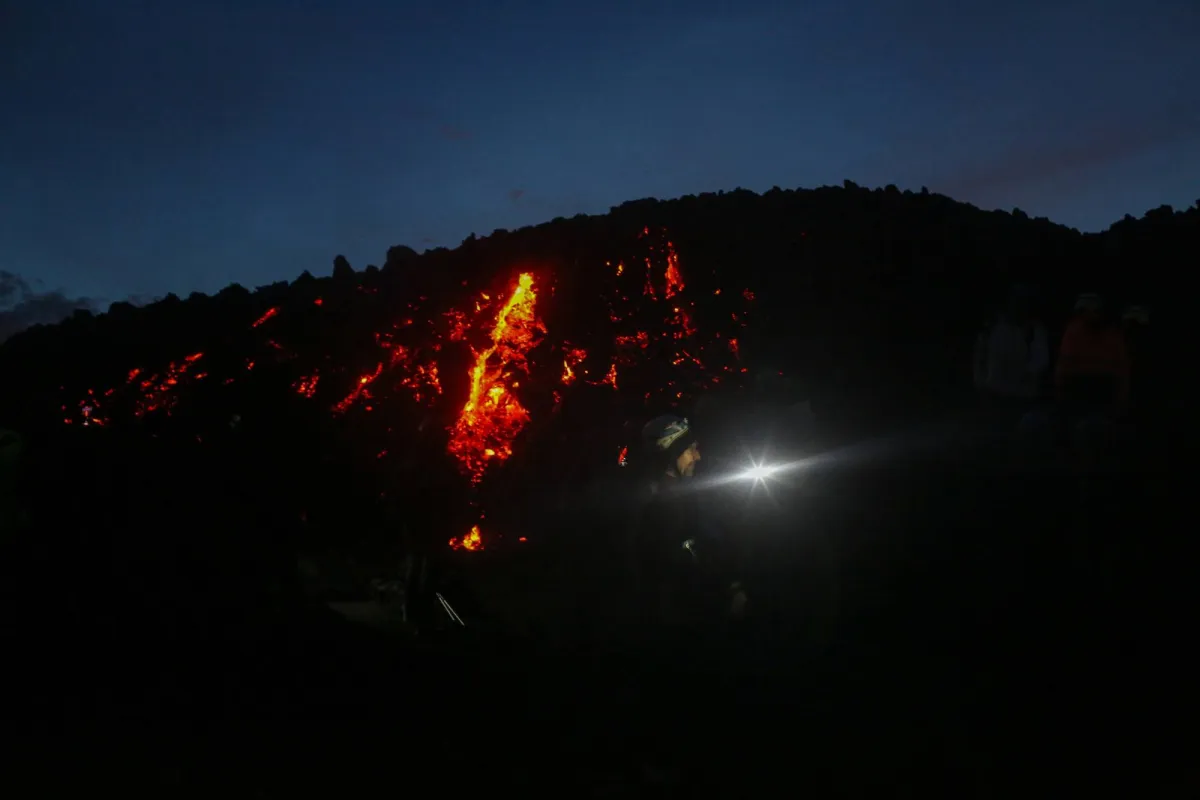
The Philippine Institute of Volcanology and Seismology (PHIVOLCS) raised the alert status for Mayon Volcano to a medium severity level following observations of ongoing activity that began on January 6, 2026, at approximately 07:31 GMT. This development was reported in real-time monitoring updates and confirmed by recent news coverage, signaling potential escalation in volcanic unrest. The move underscores the volcano's persistent state of activity, with authorities urging residents in nearby areas to remain vigilant.
Mayon, located in Albay province in the Bicol Region of southeastern Luzon, has exhibited restive behavior, characterized by increased seismic activity, rockfalls, and possible ash emissions. PHIVOLCS classified the current status as "active" with medium severity, indicating a moderate risk that warrants expanded restrictions within the permanent danger zone. This zone, a six-kilometer radius around the volcano's summit, remains strictly off-limits to the public, while a 7-8 kilometer extended danger zone has been recommended for fragile structures and farmland due to risks from pyroclastic flows, lava flows, and lahars.
Details from monitoring reports highlight the volcano's ongoing unrest, which aligns with patterns seen in previous episodes. Since the onset of the current activity, PHIVOLCS has recorded elevated volcanic earthquakes and ground deformation, suggesting magma movement beneath the surface. No explosive eruption has occurred as of the latest updates, but the raised alert level—likely shifted from Level 1 (low-level unrest) to Level 2 or 3 (increasing unrest)—reflects precautionary steps to mitigate risks.
Communities in the municipalities of Guinobatan, Camalig, Santo Domingo, and Tabacco, among others, have been placed on heightened alert. Local governments have prepositioned evacuation resources, including food supplies and emergency kits, for approximately 15,000 families within the danger zones, based on historical contingency plans. "We are closely monitoring the situation and advising the public to stay informed through official channels," a PHIVOLCS spokesperson stated in standard advisories accompanying such alerts.
Background on Mayon Volcano
Mayon Volcano, often called the "Perfect Cone" for its symmetrical shape, stands at 2,463 meters and is part of the Pacific Ring of Fire, a seismically active zone encircling the Pacific Ocean. Renowned for its beauty and peril, it has erupted over 50 times in recorded history, with significant events shaping regional memory.
The 1814 eruption remains the most devastating, burying the town of Cagsawa and killing more than 1,200 people under lahar flows. More recently, the 2018 eruption forced the evacuation of over 90,000 residents and caused extensive agricultural damage. In 2023, another episode led to ashfall and evacuations, prompting a temporary alert level raise. PHIVOLCS employs a five-level alert system: Level 0 (normal), Level 1 (low unrest), Level 2 (increasing unrest), Level 3 (magmatic intrusion), Level 4 (high unrest), and Level 5 (eruption imminent or ongoing). The current medium severity placement positions this event within moderate risk parameters, consistent with non-explosive effusive activity seen in recent decades.
The Philippines, situated on the Ring of Fire, hosts 24 active volcanoes, with Mayon being the most watched due to its proximity to populated areas—over 1 million people live within 30 kilometers. Volcanic hazards here include not only eruptions but also secondary threats like rain-induced lahars, which have caused fatalities in past events.
Regional Impact and Response
Tourism around Mayon, a UNESCO-recognized natural wonder, has been curtailed, with viewing points closed and flights potentially affected by ash plumes. The Department of Tourism has advised postponing visits, while agricultural sectors brace for potential crop losses from ashfall. No casualties or major disruptions have been reported as of January 6, 2026.
PHIVOLCS continues 24/7 surveillance using seismic networks, gas monitoring, and satellite imagery. International partners, including the United States Geological Survey (USGS) and Japan's Japan Meteorological Agency, provide collaborative data through global volcanic monitoring frameworks.
Outlook
While the situation remains dynamic, experts anticipate continued unrest in the coming days or weeks, with possible progression to higher alert levels if inflation or seismic swarms intensify. Authorities emphasize community resilience, drawing from successful evacuations in prior events. Residents are advised to heed evacuation orders promptly and avoid the danger zones. Updates from PHIVOLCS will guide further actions, ensuring balanced preparedness amid this latest chapter in Mayon's volatile history.
(Word count: 652)