Philippines Elevates Alert for Mayon Volcano, Orders Evacuation of 3,000 Residents Amid Heightened Activity
Legazpi, Philippines – Philippine authorities have raised the alert level for the restive Mayon Volcano to the second-highest rung and ordered the mandatory evacuation of around 3,000 people from high-risk areas, as the volcano exhibits signs of ongoing unrest. The developments, reported early on January 8, 2026, underscore the persistent threat posed by one of the country's most active geological features.
The Philippine Institute of Volcanology and Seismology (PHIVOLCS) elevated the alert status for Mayon to Alert Level 3 out of 5 at approximately 00:12 GMT on Thursday, January 8, 2026, signaling high unrest and a heightened potential for eruptive activity. This classification places the volcano within a permanent danger zone of six kilometers from the summit and an extended zone up to eight kilometers on the southeastern flank, where ashfall and ballistic projectiles could pose risks.
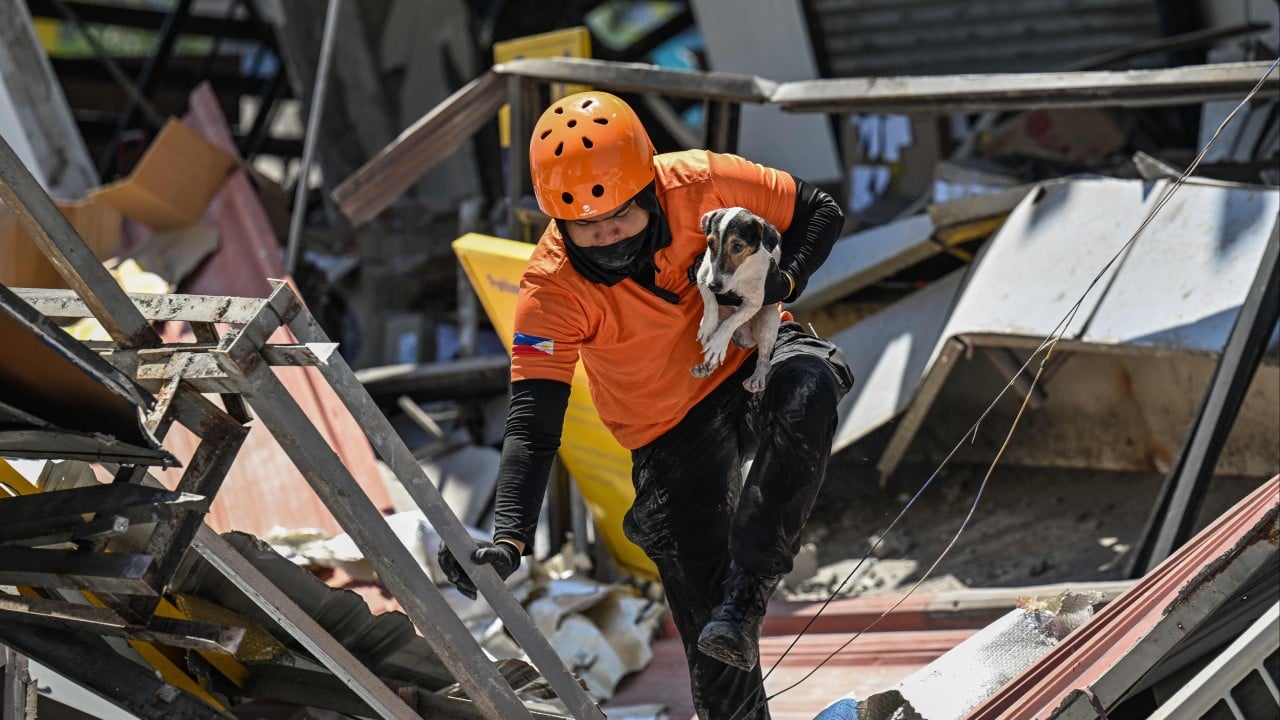
Evacuation efforts have focused on six barangays in the Albay province municipalities of Guinobatan, Camalig, and Tabacco, affecting over 3,000 individuals, according to initial reports. Local disaster response teams and the Department of Social Welfare and Development have mobilized to provide temporary shelters, food, and essential supplies to those displaced. No injuries or casualties have been reported as of the latest updates.
Mayon Volcano, located in the Bicol Region of southeastern Luzon, began showing increased activity leading to this escalation. Seismic data and gas emissions indicate magma movement beneath the surface, consistent with patterns observed prior to previous eruptions. PHIVOLCS has recorded persistent volcanic earthquakes and rockfalls, alongside elevated sulfur dioxide emissions, which reached levels prompting the alert upgrade.
Background on Mayon Volcano
Nicknamed the "Perfect Cone" for its symmetrical, steep-sided shape rising 2,463 meters above sea level, Mayon is part of the Pacific Ring of Fire, a horseshoe-shaped belt around the ocean basin known for 90% of the world's earthquakes and over 75% of its active and dormant volcanoes. The Philippines, situated along this volatile zone, hosts 24 active volcanoes, with Mayon being the most active.
Historical records document at least 50 eruptions since 1616, including devastating events like the 1814 blast that killed over 1,200 people and buried the town of Cagsawa, and the 1968 eruption that prompted the first modern evacuations. More recently, Mayon erupted violently in 2018, forcing the evacuation of over 90,000 residents and blanketing nearby areas in ash. In 2023, a brief phreatomagmatic eruption led to Alert Level 3 status and the relocation of about 14,000 people.
PHIVOLCS maintains a sophisticated monitoring network at Mayon, including seismic stations, GPS instruments, and gas spectrometers, which have provided early warnings in past events. The current unrest aligns with Mayon's typical behavior: periods of quiescence interrupted by sudden escalations driven by magma ascent and degassing.
Government Response and Public Safety Measures
The national government, through the Office of Civil Defense (OCD), has activated its disaster response protocols. President Ferdinand Marcos Jr.'s administration has emphasized proactive measures, drawing lessons from previous incidents. "We are taking all necessary precautions to protect lives and property," an OCD spokesperson stated in a press release following the alert raise.
Evacuees are being housed in designated centers equipped with health services and psychosocial support. Authorities have also imposed a no-fly zone over the volcano and advised against tourism or entry into restricted zones. Farmers in the vicinity have been urged to harvest crops preemptively to mitigate losses from potential ashfall.
Regional governor Edcel Grego of Albay province coordinated with local mayors to ensure swift compliance with evacuation orders. "The safety of our people comes first," Grego said, highlighting the collaborative efforts between national and local units.
Ongoing Monitoring and Outlook
PHIVOLCS continues round-the-clock surveillance, warning that the situation remains dynamic. An explosive eruption could occur within weeks if unrest intensifies, potentially sending ash plumes up to 15 kilometers high and pyroclastic flows down slopes. Conversely, activity could subside, allowing a downgrade of the alert.
Communities near Mayon have long prepared for such scenarios through annual drills and education campaigns. The volcano's economic impact is significant; it supports agriculture in the fertile volcanic soils but disrupts livelihoods during alerts.
As of January 8, 2026, no eruption has occurred, but officials urge the public to heed advisories. International partners, including the United States Geological Survey, monitor the situation via satellite data, ready to provide technical assistance if needed.
This event highlights the Philippines' vulnerability to natural hazards, with volcanic activity compounded by the archipelago's exposure to typhoons and earthquakes. Sustained vigilance remains critical as Mayon tests the nation's resilience once more.
(Word count: 612)