
Peru's Seismic Surge: Understanding the March 8, 2026 Earthquakes and Their Implications
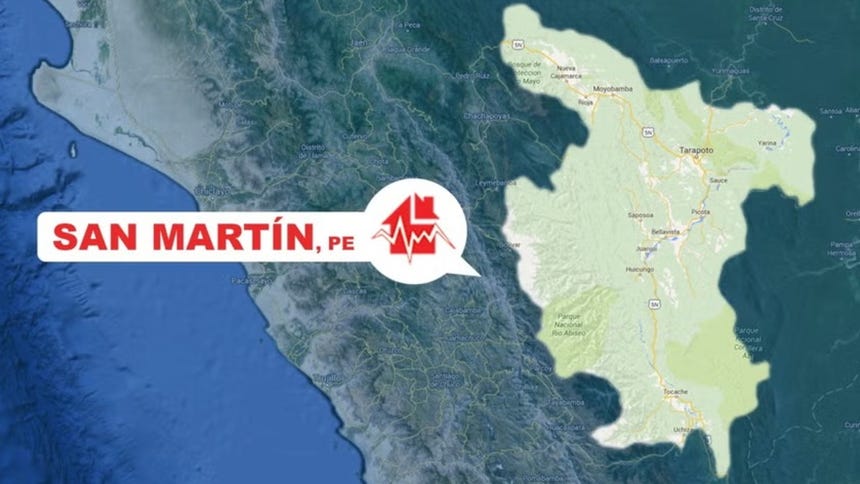
Lima, Peru – March 8, 2026 – Peru was hit by a series of earthquakes on March 8, including a 4.9-magnitude tremor at 64.4 km depth near Rioja and Moyobamba in San Martín, a 5.3-magnitude event at 35 km depth, and a 4.9-magnitude quake at just 10 km depth off Chilca near Lima. Confirmed by the Geophysical Institute of Peru (IGP), this cluster highlights ongoing seismic activity along the Pacific Ring of Fire, raising concerns about infrastructure vulnerabilities and potential escalation from earlier 2026 events.
Overview of the Earthquakes
Peru experienced multiple quakes on March 8, with IGP reporting a 4.9-magnitude event in San Martín, a 5.3-magnitude at 35 km depth, and a 4.9-magnitude off Lima's coast at 10 km depth. Other tremors included magnitudes of 4.6, 4.5, 4.7, 4.3, 4.2, and up to 4.0 at various depths. Sh shallower quakes (10-35 km) caused stronger surface shaking, though no major damage or casualties have been confirmed. Social media reports indicate minor tremors in Lima, with IGP continuing to monitor for aftershocks.
Background and Context
These March events follow a pattern of increased seismic activity in early 2026, building on January's cluster, which included a 4.2-magnitude quake on January 26 and a 4.7-magnitude on January 29. This shift from isolated incidents to frequent clusters is linked to subduction along Peru's Nazca-Pacific plate boundary. While January quakes were deeper, March's shallower depths suggest building stress, echoing 2025 trends and underscoring Peru's vulnerability on the Ring of Fire.
What This Means for Peru
This surge of earthquakes exposes critical infrastructure gaps, particularly in rural San Martín, where outdated building codes heighten collapse risks during shallow events. In Lima, potential disruptions to ports and tourism could impact the economy. If seismic patterns continue, with weekly quakes above 4.5 magnitude, IGP resources may be strained, necessitating federal investments to prevent disasters like the 2007 Pisco earthquake. Looking ahead, expect aftershocks in the next 48-72 hours, increased monitoring, and possible government drills to mitigate risks.
This is a developing story and will be updated as more information becomes available. (Word count: 598)