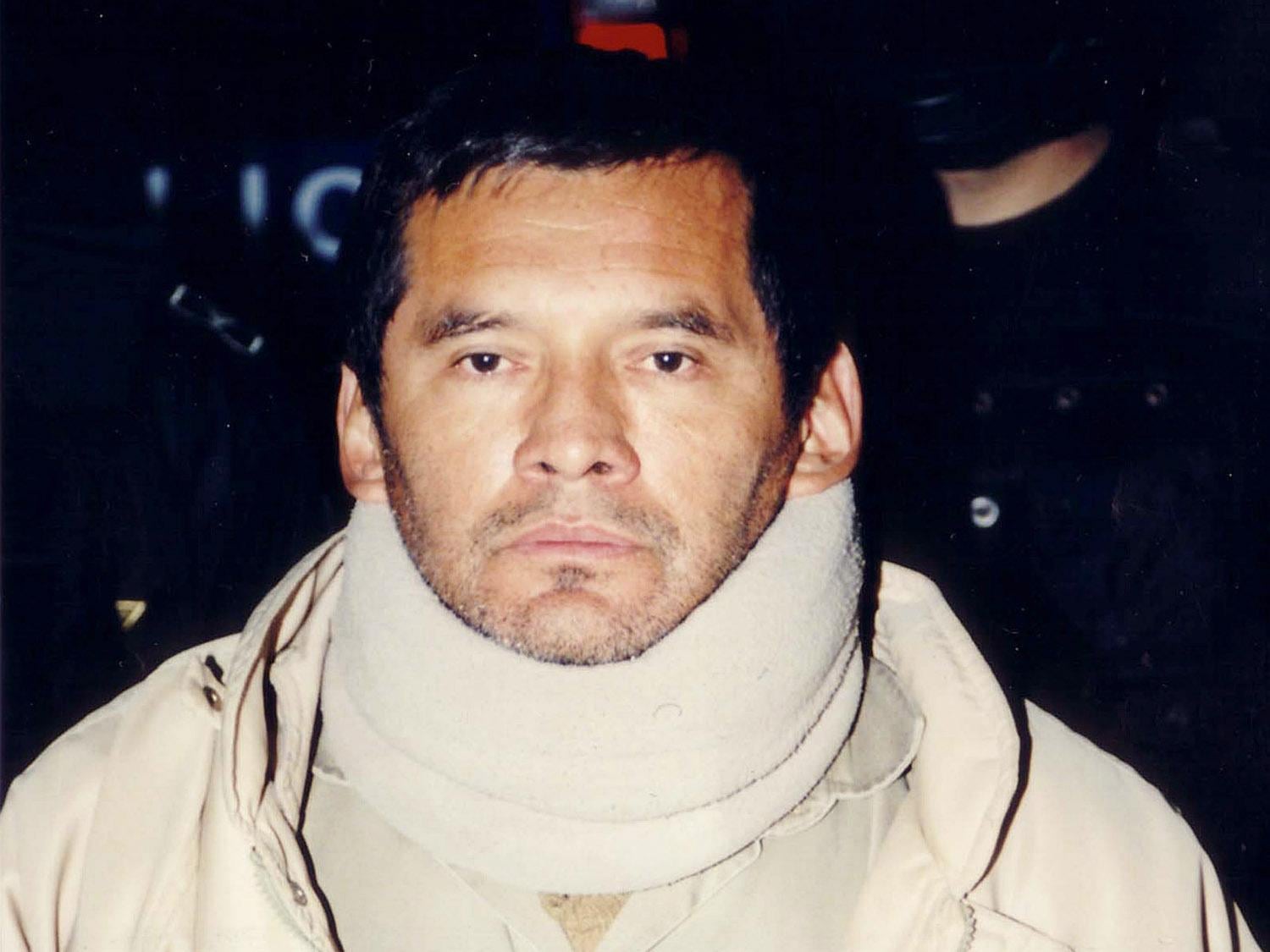

Outrage in Mexico as Notorious Kidnapper Acquitted of Charges
In a shocking legal development, Daniel Arizmendi, a notorious kidnapper infamous for his gruesome tactics in extorting ransoms, has been acquitted in one of his cases. The ruling has reignited public outrage and concern over the efficacy of Mexico's criminal justice system, particularly regarding high-profile cases involving organized crime.
Arizmendi, often referred to as "The Ear Chopper," has been linked to the kidnapping of approximately 200 individuals. His horrific modus operandi involved cutting off portions of his victims' ears to leverage fear and extort ransoms from their families. Despite the weight of evidence against him, including testimonies from victims and their relatives, a judge acquitted him in a recent trial, citing insufficient evidence to uphold the charges.
The acquittal comes at a time when Mexico is grappling with rampant crime and violence, particularly from organized criminal groups involved in kidnappings, drug trafficking, and extortion. The judicial system's failure to deliver justice in such emblematic cases raises serious questions about the ability of authorities to tackle these pervasive issues effectively.
The public reaction to Arizmendi's acquittal has been overwhelmingly negative. Many citizens and advocacy groups are demanding reforms to the judicial system to ensure that those who commit heinous crimes are held accountable. "This verdict sends a chilling message to victims and their families, indicating that their suffering may go unpunished," said a representative from a prominent human rights organization.
Background on Arizmendi reveals a complex character. Once a police officer, he turned to a life of crime, becoming one of the most feared kidnappers in Mexico's recent history. His ability to evade justice for so long has fueled speculation about potential corruption within law enforcement and the judicial system that may protect criminals like him.
The acquittal also highlights the broader context of violence and impunity in Mexico. The country has seen a significant increase in kidnappings in recent years, with criminals often targeting individuals for ransom. The government has struggled to contain this wave of violence, which is exacerbated by the ongoing conflict between rival drug cartels and the influence of organized crime in various sectors of society.
As the public reacts to the news of Arizmendi's acquittal, it remains to be seen how this case will impact future legal proceedings against him and others involved in similar crimes. The Mexican government faces increasing pressure to implement reforms to restore public trust in the judicial system and to ensure that victims of crime receive the justice they deserve.
In conclusion, the acquittal of Daniel Arizmendi serves as a stark reminder of the challenges facing Mexico in its battle against organized crime and the need for systemic changes in the judicial process. As the country continues to confront these pressing issues, the call for accountability and justice remains louder than ever.






